Are you a conservative, a libertarian, a Christian or a gun owner? Are you opposed to abortion, globalism, Communism, illegal immigration, the United Nations or the New World Order? Do you believe in conspiracy theories, do you believe that we are living in the “end times”?
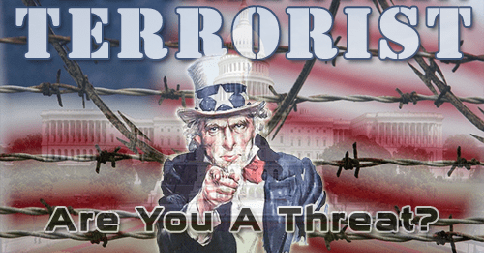
If you answered yes to any of those questions, you are a “potential terrorist” according to official U.S. government documents.
At one time, the term “terrorist” was used very narrowly. The official definition of terrorism is “The use, or threat, of force with the intention of achieving a political goal.” That makes it pretty clear what sort of people are covered, and for decades it worked well. The government applied the label “terrorist” to people like Osama bin Laden and other Islamic jihadists. But the Obama administration removed all references to Islam from terror training materials, and instead the term “terrorist” was applied to large groups of American citizens.
And if you are a “terrorist”, that means that you have no rights and the government can treat you just like it treats the terrorists that were being held at Guantanamo Bay. So if you belong to a group of people that is now being referred to as “potential terrorists”, please don’t take it as a joke. The first step to persecuting any group of people is to demonize them. And right now large groups of peaceful, law-abiding citizens are being ruthlessly demonized.
Below is a list of 72 types of Americans that are considered to be “extremists” and “potential terrorists” in official U.S. government documents. To see the original source document for each point, just click on the link. As you can see, this list covers most of the country…
The groups of people in the list above are considered “problems” that need to be dealt with. In some of the documents referenced above, members of the military are specifically warned not to have anything to do with such groups.
We are moving into a very dangerous time in American history. You can now be considered a “potential terrorist” just because of your religious or political beliefs. Free speech is becoming a thing of the past, and we are rapidly becoming an Orwellian society that is the exact opposite of what our founding fathers intended.
Preparing to survive in a post-SHTF world is challenging. More than anything, we have to realize that we’re preparing blind. We don’t know what sort of disaster we’re facing or what the post-disaster world is going to look like. With those two pieces of information missing, it’s hard to know exactly how people will react and what they will do. Therefore, we must prepare for the worst.
There is a wide-ranging assumption that public servants will abandon their posts. I would have to say that this assumption is totally unfair. We live in a hurricane zone and my wife is a city employee. She and her co-workers are required to agree that they will stay on the job, protecting the citizens of the city and keeping city services running, both during and after a hurricane. While a few might abandon their posts if things get bad enough, most seem to be people who will follow through on that requirement.
But what about a worst-case scenario? What about in the wake of an EMP or other grid-destroying event, which would result in a true breakdown of society and the banking system; a situation where they would no longer be paid to do their jobs?
That’s a difficult question. For some, like my wife, their positions probably wouldn’t exist anymore. But the real issue here is emergency workers and law enforcement officers. We would greatly need their services in the wake of such a serious disaster. Would they stay on the job or would they feel they had to abandon their posts to care for their families?
There’s really no way of knowing the answer to that question until the time comes. It is a very individual question, so I imagine that some will stay, while others leave. Whether they stay or leave will largely determine whether they are friend or foe.
The Cops Who Stay on the Job
Police officers tend to be highly disciplined individuals, much like soldiers. In fact, many start out as soldiers, then move to law enforcement when they get out of the military. As such, they are largely people with a high regard for the law. Oh, there are the few bad apples; but despite stories saying otherwise, there aren’t many of them.
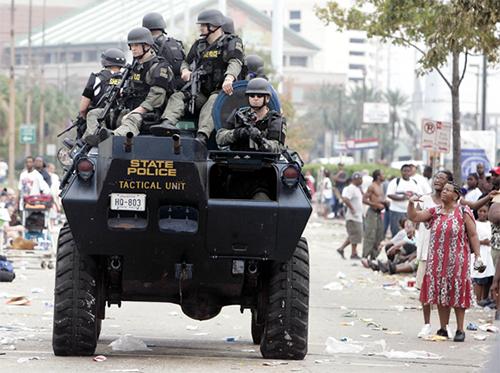
Those who stay on the job will be concerned with maintaining law and order in the worst of circumstances. They will also be subject to the politicians who are still in place over them. This means that if those politicians declare martial law, they will most likely enforce martial law, unless they believe that to be an unlawful order.
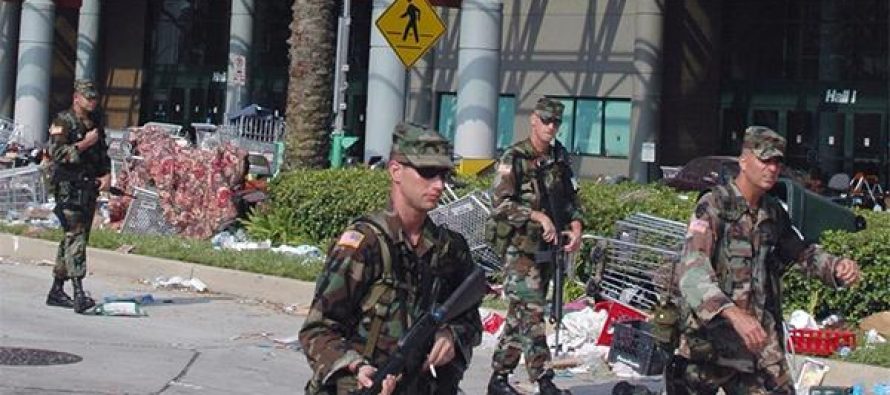
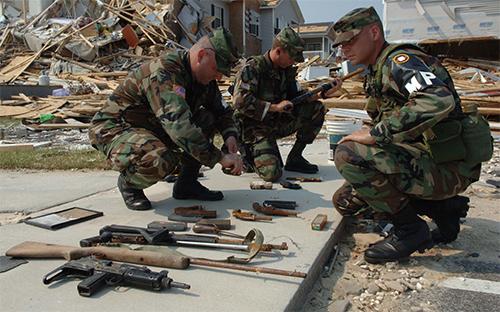
This could get sticky. As we saw during Hurricane Katrina, declaring martial law would probably mean they would be confiscating guns as well. That would put the police in the position of appearing to be the enemy in the eyes of any Second Amendment supporter. Whether or not they actually became an enemy would depend on how you, I and other gun owners would react to them. If we use force to reject their orders to turn over our guns, they will use force in response. That makes them our de-facto enemies.
The Cops Who Abandon their Posts
Some police officers may choose to abandon their posts, especially if they feel that their families are in danger. In that case, the question is what they will do to protect and care for their families. While there are very few bad cops out there, there is always the possibility that a cop will turn bad in such circumstances, out of desperation to take care of their families.
These people will be dangerous, because they will be able to present themselves to the public as law-enforcement officers, when in fact they are acting like criminals. There could even be some cases in smaller communities, where the police take over, much as warlords take over in times of anarchy. Should that happen, the police in question would be extremely dangerous.
It would be our duty, in such a case, to stand up against the police. But here’s the problem. How do you tell if what they are doing is in the public interest, or just in self-interest? If they are acting in the public interest, our duty is to support them, so we need to be sure they are the enemy, before treating them as such.
The National Guard
If military forces are called out to help gain control, it will be the National Guard, not the active military. US law prohibits the use of US military forces within the borders of the United States. Even if politicians in high places wanted to use the regular Army, it is doubtful that Army officers, all of whom know that prohibition in the law, would allow it.
But state Governors can call out the National Guard to help law enforcement in maintaining law and order. It’s not unusual for this to happen in the case of natural disasters. I would say that we should expect it to happen in a true SHTF scenario.
National Guard forces are US Army reserve soldiers and formations, which are “owned” by the governors of the several states. They serve a dual role, both as state owned military forces and reserves for the federal forces. If called out in a disaster situation, they could serve either to support law-enforcement or to provide disaster relief. In either case, they would be armed.
Should martial law be declared, it is highly likely that the National Guard would be called out. If guns are confiscated, they are the ones who would most likely do the confiscation. They would probably be as polite as possible about it; but if they decided to obey that order, they would do their best to fulfill it.
However, the National Guard, like other military forces, is made up of predominantly conservatives. There’s a very good chance that they would refuse an order to disarm the population. Military officers swear an oath to uphold the Constitution and they would likely see the disarm order as a clear violation of the Second Amendment. As such, it would be their duty to refuse that order.
UN Troops
Of all these options, UN troops is the most dangerous. Any decision to use UN troops would have to be made at the federal government level. Were such a decision to be made, the troops which would be brought in to help maintain civil order would not be American troops. They would be unfamiliar with our culture (other than what they had seen in movies) and unfamiliar with our laws.
To these troops, a firearm confiscation order would seem perfectly reasonable, especially when you consider that they would probably come from a country where they don’t enjoy our Second Amendment protections. There would be no appeal to them on the grounds of our Constitution.
Should this happen, refusing an order to turn over your guns would be dangerous. The only thing that would protect any of us is the fact that there is no federal gun registration. Even so, there are states which require a permit to own guns, as well as concealed carry licenses which many of us have. That would give them a starting point for where to look.
Getting into a battle with armed troops is foolish. In such a situation, the only practical recourse is to hide all your guns where they won’t be able to find them, with the exception of a few, which you could then allow them to confiscate, making them think you’ve obeyed the order.
Regardless of the specific situation we would end up encountering, chances are that any police or military forces which were still in operation, would be there as part of whatever government managed to survive. Unless such forces decide to go rogue, we can count on them being there to help.
That doesn’t mean they’ll be our friends though. Unless you know them personally, they will look on you with suspicion, just like they will everyone else. Anyone carrying a weapon openly will be suspect. That doesn’t mean that they’ll hassle you, take away your weapons, fire upon you or arrest you; it just means that they will be watching to make sure that you aren’t a problem that they need to deal with.
The best thing you and I will be able to do in such a situation is to keep ourselves below the radar, so that we aren’t noticed. If we are not noticed, hopefully we will be left alone.
Should orders go out to confiscate any supplies that are stockpiled, it would probably be a good time to put our bug out plans into effect. Hopefully, we’ll all have a cache of supplies elsewhere, so that when we lose the supplies that we have stockpiled at home, we’ll still be okay.
Recently there have been some appalling cases that underline how far the American Congress has separated itself from any tangible national interest.
Mark Twain once wrote that “It could probably be shown by facts and figures that there is no distinctly native American criminal class except Congress.” Some developments over the past several weeks would certainly support that judgement if one regards a country’s legislative body as a mechanism intended to benefit the public that it is elected to serve. The hypocrisy of America’s two major parties is something to behold, with corruption at a level that is rarely attained in most third world countries.
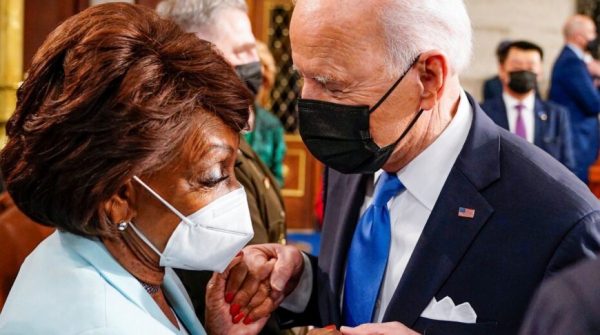
Recently there have been some appalling cases that underline how far the American Congress has separated itself from any tangible national interest if one excludes getting rich and reelected, in whichever order one seeks to go about that. One of the best at getting rich and reelected in spite of not having two brain cells to rub together is the esteemed Maxine Waters of California, who has starred in her recent attempt to inspire an angry mob to get more “confrontational” if the murder trial of Minneapolis policeman Derek Chauvin were to go the wrong way through a failure to convict.
Now bear in mind that we Americans live in a no-fault no-accountability society, where no one is guilty of anything unless he or she is caught red handed and has no protectors in place to deny that anything at all happened. As Maxine has plenty of defenders because she is black, a woman and, most of all, a Democrat, it should have been expected that in her case a call to riot by a congressman would be treated as a non-event, and so it proved when the GOP made a feeble attempt to censure her for her behavior.
As Maxine represents part of California, her appearance in Minnesota was little more than race baiting with a threat of violence thrown in. Attempts to characterize it as free speech on her part ignore the fact that she is a government official, paid for generously by the taxpayer, and a call to violence by one part of the citizenry directed against both the legal system and another constituency cannot be considered acceptable. It is indeed impeachable.
One has to wonder who paid for Waters’ Minnesota trip and marvel at her audacity when she asked for and received an armed police escort for her own safety as she traveled to and from the airport. Perhaps her calls to de-fund the police were on hold until after she completed her travels. It is also important to realize that due to the seniority afforded by her 29 years in office she is, in spite of her lack of anything describable as patriotism of even integrity, part of the House Democratic leadership. She’s Chief Majority Whip, has been the chairperson of the House Black Caucus, and is the ranking member on the House Financial Services Committee. Never before has anyone attained so much having so little to offer.
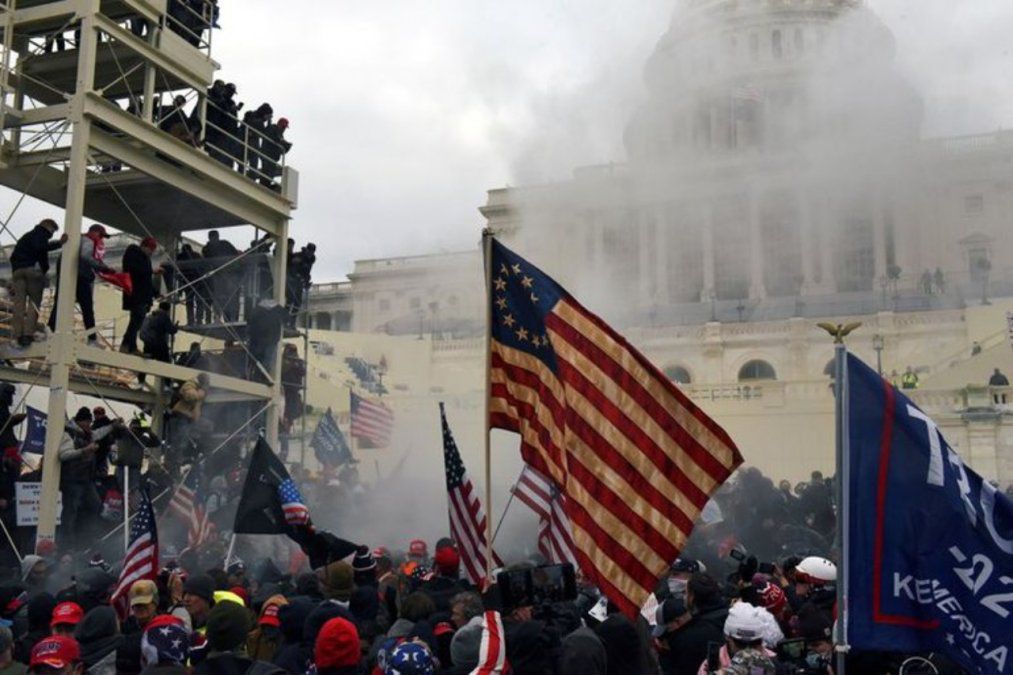
But the story does not end there, which is where the true mendacity of the U.S. Congress comes to the surface. When the Republicans rightly attempted to censure Waters it was inevitable that the recent impeachment of President Donald Trump for the use of incendiary language when addressing a crowd at the Capitol on January 6th would come up, but the Democratic Party leadership was having none of that. The Hill reports that shortly before the Waters censure vote, rather than accepting that the two offenses were of a kind, House Majority Leader Steny Hoyer instead delivered a threat, warning the Republican leadership that forcing a roll call on censuring Waters would make it more difficult to justify not taking similar action targeting Republican members of Congress. “This makes it harder, however, not to proceed on numerous [similar] resolutions on my side of the aisle” he said.
So the game is on under new rules. The leadership of the Democratic and Republican Parties have declared that they will impose punishment, including censure, suspension and even expulsion, on House and Senate members who defy the consensus on appropriate behavior, which itself has become heavily politicized.
The first Republican who is likely to feel the wrath of the Democratic controlled Congress is Marjorie Taylor Greene of Georgia. Representative Jimmy Gomez of California has already circulated a draft letter renewing his earlier effort to expel her from Congress. Gomez cited Greene for her alleged promotion of violence against other members of Congress. In his letter he included her promotion of “Anglo-Saxon political traditions” as yet another justification for her expulsion from Congress. The “Dear Colleague” letter begins with “[E]veryone – including House Republican leadership – knew this stunt was nothing more than an effort to promote white supremacy in the United States Congress.” He, of course, also claimed that she was engaged in the “brazen promotion of anti-Semitism and racism.” Somehow the anti-Semitism tag always seems to make it into these documents.
Gomez’s expulsion resolution already has 72 Democratic co-sponsors. House Democrats as well as 11 Republicans had already voted in February to strip Greene of her committee assignments over her alleged past endorsements of violence against Democrats and embrace of conspiracy theories to include suggesting that some mass shootings have been staged.
Greene, for her part, has tit for tat submitted a resolution to expel Waters based on her encouraging supporters to harass Trump administration officials when they made public appearances in 2018 while also saying a year earlier that she would “go and take Trump out tonight. “This is nothing new from Maxine Waters. She has been inciting violence and terrorism for the last 29 years,” Greene said in a statement.
Despite the current wave of lawmakers introducing measures to formally sanction each other, it seldom occurs that the House actually takes such a drastic step. Only 23 lawmakers have been censured in the House’s history and only five were expelled, mostly for actual criminal behavior. Nevertheless, the new environment condoning punishment of colleagues in Congress is only just gaining momentum and the Democrats clearly have the whip hand with their control of both houses of Congress and the presidency. To be sure, free speech is the most important liberty guaranteed in the Bill of Rights of the Constitution of the United States, but the right of legislators to call on citizens to break the law up to and including the destruction of that very government that pays them and gives them their status has to be challenged. Say what they will when they are out of office, but when they take that oath of loyalty to the constitution it means that they are pledged to support all of those structures and safeguards that that foundational document has established.
The American Ruling Class is deliberately attacking the country’s core demographic group at just the same time that it is picking fights with major powers like Russia, China, and even Turkey. The Biden Administration is demonizing whites as the main domestic threat and is developing a complicated racial caste system that punishes whites for their mere existence. Currently, an indebted, belligerent, imperialist U.S. is being propped up by naïve, well-meaning whites. But unless whites are treated better within this bizarre postmodern imperium, they will cease to identify with it and will focus on building alternatives here at home.
Of course, we must give credit where credit is due—Joe Biden is supposedly going to end America’s longest war, something President Trump tried but failed to achieve [Biden tells Americans ‘we cannot continue the cycle’ in Afghanistan as he announces troop withdrawal, by Anne Gearan, Karen DeYoung, and Tyler Pager, Washington Post, April 14, 2021]. Yet even this claim requires skepticism. Biden’s action leaves open a door for renewed commitment if there is violence this spring [Joe Biden Isn’t Ending the War in Afghanistan, by Branko Marcetic, Jacobin, April 16, 2021].
However, even bringing the troops home is certain to be coupled with a movement to bring Afghani “refugees”—and their resentments and grievances—to America [The US Must Help Afghans Who Helped It, by James Schwemlein and Earl Anthony Wayne, The Diplomat, April 8, 2021]. To make a comparison to black Americans’ “Double V” campaign in World War II, symbolizing Victory in war and increased Civil Rights, white Americans today get to suffer a “Double L”—losing wars overseas and Constitutional rights at home.
The unwinnable war abroad ends in a debacle that will probably bring the Taliban back to power and saddle America with refugees. Those who think such refugees will be filled with gratitude need only reference our experiences with the Hmong, the endless waves of Central Americans, or, for that matter, Rep. Ilhan Omar. Bottom line: we have been defeated abroad and occupied at home.
Moreover, it seems we’re not stepping back from unnecessary military intervention but merely pivoting. The Globalist American Empire is preparing to take on China over “human rights” [EXCLUSIVE Biden will push allies to act on China forced labor at G7 – adviser, by Trevor Hunnicutt and Andrea Shalal, Reuters, April 23, 2021] Yet simultaneously, Biden also wants China to help with the amorphous and undefinable goal of preventing “climate change.”
Chinese leaders have no reason to actually go along with anything that would hurt its economy. [China’s Solar Dominance Presents Biden With an Ugly Dilemma, by Ana Swanson and Brad Plumer, New York Times, April 20, 2021]. Any “partnership” on tech would also lead to further American vulnerabilities thanks to America’s ridiculous policy of giving Chinese nationals access to national security secrets. It’s not surprising these Chinese side with their real country. So America is simultaneously approaching China as beggar and belligerent, and I doubt Beijing will respond with anything other than contempt.
Furthermore, China is furthering its partnership with Russia [China and Russia UNITING to test Biden: Putin and Xi seeing how US responds, by Marco Giannageli, Express, April 25, 2021]. Russia recently terrified Europe with a buildup on the Ukrainian border before coolly withdrawing forces and proclaiming it was all just an exercise [Putin Is Keeping the West Guessing and That’s Just Fine With Him, by Henry Meyer and Irina Reznik, Bloomberg, April 24, 202]. President Putin has also warned of a tough and “asymmetric” response if the United States continues to pressure his country [Putin threatens ‘asymmetric’ and ‘tough’ response to US sanctions, by Max Seddon and Henry Foy, Financial Times, April 21, 2021].
Russia is weak compared to the United States, but a united Russian-Chinese bloc would be a formidable foe [The US has been getting ‘its ass handed to it’ in war games simulating fights against Russia and China, by Ryan Pickrell, Business Insider, March 8, 2019]. Why pick this fight?
Of course, one check on the Russian/Chinese bloc would be Turkey. I suspect Turkey’s vocal support for Ukraine in the recent crisis is one reason Putin may have backed down [Turkey’s Erdogan voices support for Ukraine amid crisis, DW, April 10, 2021]. Yet the Biden Administration has just insulted Turkey by recognizing the Armenian genocide. To be clear, it was genocide. And decisive Western action against Turkey because of its weaponization of the “refugee” flow into Europe has been due for some time. However, one must ask what this declaration is really worth [Why Biden’s Armenian Genocide Declaration Really Is a Big Deal, by Charlie Mahtesian, Politico, April 24, 2021]. Washington was nowhere to be found when Turkish-backed Azerbaijani forces successfully defeated Armenia in a recent war [In Azerbaijan, Winning the War in Nagorno-Karabakh Was Easier Than Reconciling With Armenia, by Ann Simmons, Wall Street Journal, January 29, 2021]. This latest action will simply push Turkey’s Recep Erdogan into closer ties with Russia [Biden puts Erdogan under high pressure, The Arab Weekly, April 23, 2021].
It’s hard to imagine a more unlikely alliance than one between China, Russia, and Turkey, all of which have serious territorial and diplomatic grievances against each other. Incredibly, Washington seems to be creating it.
Internationally, this means America needs to be strong. However, the Biden Administration is deliberately undermining America’s own moral position, with the new ambassador to the UN helpfully explaining to the world that America is inherently racist [Why does Biden let the UN ambassador tell the world the US is racist? By Quin Hillyer, Washington Examiner, April 17, 2021]. If that’s so, why should China or Russia suffer American lectures about “human rights?”
Washington is also gearing up for increased repression against whites. While studiously ignoring a staggering nationwide crime wave, Regime Media outlets and think tanks are circulating dubious reports about supposedly soaring white “domestic terrorism.” This provides the justification for the military to hunt for “extremists” in its own ranks [Pentagon report warns of threat from white supremacists inside the military, by Dan DeLuce, NBC News, February 25, 2021]. The American military’s readiness is already questionable [GAO report sees U.S. military readiness slipping, by Mike Glenn, Washington Times, April 8, 2021]. Making the military “woke” will hardly prepare it to meet a serious challenge from serious countries [The Meaning of the Woke Military, by Frank Bennett, American Mind, March 25, 2021].
Where does this leave American whites? The case of Army Sgt. First Class Jonathan Pentland is representative. Doing what we are supposed to do in the post #MeToo world, Pentland “listened and believed.” A woman wanted help, so he confronted a mentally ill man in the neighborhood. In a normal society, this would not be a story, unless was about how Pentland did the right thing. However, because Pentland is white and the man he confronted is black, the Army instantly turned on Pentland and denounced him. It is currently groveling and saying Pentland’s behavior doesn’t reflect “Army Values” [White Fort Jackson soldier charged in altercation with a Black man to be prosecuted in civilian courts, by Sarah Sicard, Army Times, April 23, 2021]
That’s probably right; whatever it is that the Army brass does these days, it has nothing to do with protecting Americans.
In this context, I personally find the Biden Administration’s authorization for embassies to fly the homosexual-rights Rainbow Flag on the same pole as the American flag almost commendable. It honestly shows the world what the Globalist American Empire is really all about [Biden admin. grants ‘blanket authorization’ to fly Pride flag at embassies, by Conor Finnegan, ABC, April 23, 2021].
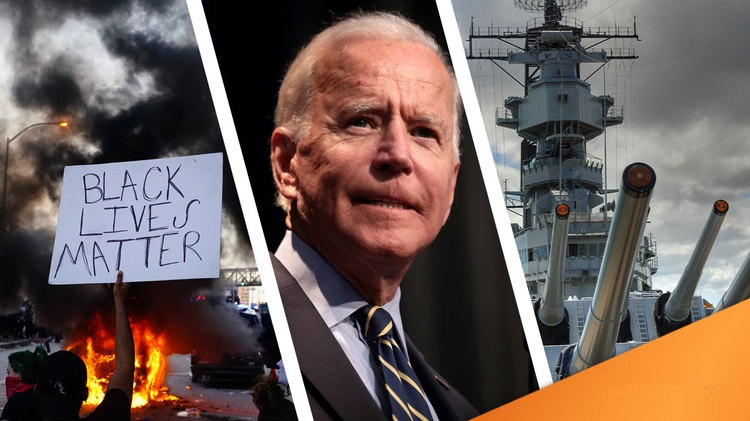
The Rainbow Flag has real moral significance to our rulers. Burning an American flag isn’t even news; burning a pride flag, or a BLM sign, is a “hate crime.” That’s because “Americans” no longer really have an identity, while the Coalition of the Oppressed do, along with powerful interests willing to back them with money, legal protection, and officially-sanctioned violence.
Indeed, I expect that this is just the beginning. The BLM flag will probably be next at embassies (Marjorie Taylor Greene’s efforts notwithstanding). And the Pride flag, if anything, will be changed because the current one isn’t inclusive enough. [Why Many LGBT People Have Started Using A New Pride Flag, by Jamie Wareham, Forbes, July 12, 2020].
Decades ago, in what seems another lifetime, I remember the feeling of personal outrage after the September 11 terrorist attacks. It wasn’t just that my country was attacked, but my cities and my friends.
In the years since, many of my friends served in Afghanistan. None I know thought they accomplished anything politically.
Now, the same blustering military chiefs who insult whites are preparing to admit defeat (though they won’t call it that) in America’s longest war.
Rather than feeling anger or shame at this national humiliation, instead I feel something like schadenfreude against them—along with righteous indignation on behalf of the countless patriots used up and spat out by a System unworthy of their sacrifice.
Corporate America, the Deep State, the journalists, and the military leadership have all made it very clear that they hate whites and want to replace them [These Key Similarities Between Lenin’s Red Terror and America’s Woke Culture Reveal Left’s Blueprint for Complete Takeover, Revolver, April 15, 2021]
Why should we try to save them from their own follies or defend their System, especially when they seem so determined to start more unnecessary wars?
We’re already being punished by having to pay taxes to subsidize our dispossession.
The only war what’s left of the Historic American Nation needs to worry about is the one being waged against it at home.
FBI Violated Constitution to Track ‘Far-Right Extremists’—Months *BEFORE* Capitol Riots
The FBI’s requests for access to masses of electronic communications harvested by the National Security Agency (NSA) is revealed in a newly declassified report
The Federal Bureau of Investigation knowingly violated the Constitution to track down potential ‘racially motivated violent extremists.’ But the FBI didn’t conduct its unconstitutional dragnet following the January 6th Capitol riots, it actually started its probe in November — in the midst of a contested election.
A newly declassified report shows that the FBI pursued extremists in November that would fit the profile of future Capitol rioters by tapping into a National Security Agency database that trawls and records Americans’ communications.
“The FBI’s requests for access to masses of electronic communications harvested by the National Security Agency (NSA) is revealed in a newly declassified report from the United States’ secret surveillance court,” the Daily Mail reported on Monday.
“It shows the FBI has continued to perform warrantless searches through the NSA’s most sensitive databases for routine criminal investigations, despite being told by a federal judge in 2018 and 2019 that such a use was an unconstitutional breach of privacy,” the report continued.
The declassified FISA report makes the legal procedures for targeting an actor for surveillance clear.
“NSA is the lead agency in making targeting decisions under Section 702,” the report says. “It may not task a selector without first determining that the target is reasonably believed to be a non-U.S. person outside the United States (a ‘foreignness determination’).”
The FBI is extensively using the NSA’s database for routine domestic investigations, despite knowing that the practice is illegal.
“In other words, the FBI continues to perform warrantless searches through the NSA’s most sensitive databases—the ones the NSA is not required to get warrants before filling with communications information—for routine criminal investigations that are supposed to require warrants,” the Daily Beast reported.
While such reports focus on the extent that the FBI violated civil liberties, the rule of law, and Constitutional restrictions against illegal search and seizure, there is the matter of timing that makes them even more explosive.
As reported here extensively, the Democratic Party knew about and was planning for a volatile situation on January 6th that could potentially foment into a riot.
House impeachment manager Rep. Stacey Plaskett revealed a glimpse of such advanced knowledge on the second day of the Trump impeachment trial.
“The day before the rioters stormed the Congress an FBI office in Virginia also issued an explicit warning that extremists were preparing to travel to Washington to commit violence and, quote, war, according to internal reports,” she said.
“Leading up to the event there were hundreds, hundreds of posts online showing that his supporters took this as a call to arms to attack the Capitol,” she continued. “There were detailed posts of plans to attack online. Law enforcement warned that these posts were real threats and even made arrests days leading up to the attack.”
Rep. Maxine Waters also revealed in an interview just after the Capitol riots she had warned the Capitol Police Chief Steven Sund about the danger several days prior to the attack.
Nonetheless, the Capitol Police was effectively issued a ‘stand down’ order, the NY Times recently confirmed, and the National Guard was ordered to maintain a light presence. This is unusual on its face, given that the nation’s most influential politicians had gathered for one of the most divisive events in decades.
But the organized left’s planning for expected protests extends into early 2020, when a shadowy collection of union leaders, radical organizations, and corporations sought out ways to “fortify” the upcoming election against a potential uprising.
In a “Time” article titled, “The Secret History of the Shadow Campaign That Saved the 2020 Election,” the advanced planning was revealed.
On March 3, Podhorzer drafted a three-page confidential memo titled “Threats to the 2020 Election.” “Trump has made it clear that this will not be a fair election, and that he will reject anything but his own re-election as ‘fake’ and rigged,” he wrote. “On Nov. 3, should the media report otherwise, he will use the right-wing information system to establish his narrative and incite his supporters to protest.”
The language here is enlightening. According to the memo’s prediction, Trump “will use the right-wing information system to establish his narrative and incite his supporters to protest.” This suggests that the “incitement” narrative, invoked at former President Trump’s impeachment trial, had been set months in advance.
The new revelations about the FBI further suggest that the law enforcement agency has become nothing more than an arm for the Democratic Party’s political witch hunts. If the FBI was a non-partisan agency, it would have been seeking out left-wing agitators such as Antifa and radical BLM activists, which caused billions in damage and killed dozens at riots throughout 2020.
Instead, the FBI would violate the law to seek out “right-wing extremists” that did a fraction of the destruction of radical groups, and who is not provably found to have killed anyone at the January 6th Capitol riot.
Hi, my name is Milan Adams and today, in this short article I’ll tell you something only a handful of powerful people have known for more than 10 years… I’ll present you crucial information that might save your life.
I’m talking about one of the best guarded secret of the 21st century that may be a lifeline for you and your family.
Over the past year over 34,000 people have already found out how to protect their loved ones from this dark secret and it can help every American citizen get over tragic milestones such as hurricanes, snow storms or floods.
It was discovered by a stroke of luck in the archives of the Holy Country and its content predicted the turn points for mankind’s history and not only does it hold the answers to many questions already answered, but also to questions not yet asked …
I’m sure you’re already intrigued and you want to know all about this mystery so that you can also be prepared.
Honestly, it’s like nothing you’ve ever seen or heard and in a few minutes from now you’ll be outraged you never knew the danger you and your family have been living in…
So you absolutely need to watch this short presentation today, while it’s still up…
I don’t know how much longer I’ll have this free presentation online, so watch this right now, while you still can…
Before we continue, let me tell you who I am, and how it all started.
As I mentioned before, my name is John Stone, a 65 year old historian from Wichita, Kansas, and for the last 20 years I’ve been studying ancient and contemporary prophecies and I’ve witnessed countless revelations most people are unaware of…
While researching, I came across some shocking rumors from inside the White House and I decided to dig deeper into this mystery…
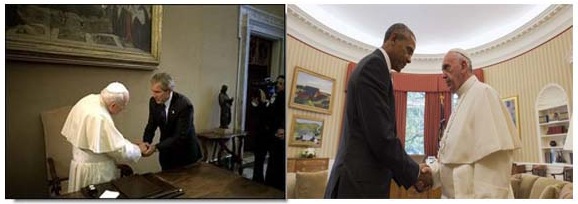
I was shocked to find out a big secret passed on from Bush to Obama and recently to Trump, but we’re being kept in the dark…
This secret deal is more dangerous that any present armed conflict…
It’s a sinister pact between The White House and high ranking officials of Vatican and it will reach its terms in a short while with devastating consequences…
Hidden investigations revealed that the core of this pact is one of Nostradamus’s long lost books that never reached the surface…
This book is the best guarded secret of the 21st century and it contains crucial information on horrible events that already happened, and, more important, on America’s morbid destiny…
The events presented by this dark secret reveal that The United States will be hit by something bigger than hurricanes Michael or Florence, bigger than the great tsunami on the coast of Japan that brought over 15,000 deaths and destroyed over 1.1 billion buildings, or even the Indonesian earthquake that reached 9.1 magnitude.
But this time, the chaos will be man-made…
America as we know it will cease to exist… Mayhem, famine, diseases, death will take its place and will spread like cancer…
Don’t think for a second you’re prepared for the dark future that awaits us all…
Yet, before unraveling the much needed information, please give me the chance to tell you who Nostradamus is and why his predictions are so important for each and every one of us…
For centuries people have interpreted the words of Nostradamus and historians, even scientists have been amazed how accurate his prophecies have been…
It is a known fact that time after time Nostradamus predicted the rise of nations and fall of economies…
But his darkest prediction has yet to come true. Historians say it’s the most fearful and it means the beginning of the end. Scientist backed up the aspects with hard evidence…
Therefore, before going any further, I must warn you:
Therefore, before going any further, I must warn you:
What you are about to hear is deeply disturbing…
Because the dots that this presentation connects will send shivers down your spine and there will be no turning back once you hear this.
When you see the evidence that this great unavoidable ruination will come to reality, it will simply be impossible for you to go about your daily life like you used to… before knowing the truth…
In all human history no other prophet has so accurately predicted the great events all around the world:
Here are some of his predictions written in 1555 that have already come true:
“The blood of the just will be demanded of London,
Burnt by the fire in the year 66″
– The Great Fire of London from Sunday, 2 September to Wednesday, 5 September 1666
That’s 111 years before it happened. Historians say it’s one of the most accurate prophecies ever told. No other prophet predicted such a devastating event since then.
“From the depths of the West of Europe,
A young child will be born of poor people,
He who by his tongue will seduce a great troop;
His fame will increase towards the realm of the East.”
On April 20th, 1889 Hitler was born in Western Europe, from very poor parents. “By his tongue”, with manipulative oratory skills, Hitler led Germany to action in the years following WWI.
“Near the gates and within the cities
there will be two scourges the like of which was never seen,
famine within plague, people put out by steel,
crying to the great immortal God for relief.”
Nostradamus wrote about the bombing of Hiroshima and Nagasaki that led to death, hunger and unprecedented destruction…
And there are many others…
Yet you must understand, the visions he had could not be explained with the words of the time and he simply described them with the vocabulary he had…
Key persons around the world, who deciphered his undiscovered words, were forced to keep it under the hat…
They have hidden the true meaning of the forthcoming events that will shake us all…
These are previsions told over 5 centuries ago, carefully hidden by Nostradamus himself behind words…
His prophecies predicted Obama’s victory in 2013 as the first black president but few know Nostradamus also predicted the fall of America by the end of this year due to a power no nation or alliance, be it military or economic, can withstand…
It will hit America at its core and will send us all into medieval times…
I will show you exactly why this knowledge is a closely guarded secret and I’ll reveal the signs that show how close we are to the fulfillment of the prophecy…
The threat comes from an enemy hidden in plain sight that has yet to show its true strength, but will not hesitate to crush anyone who stands against it, no matter how powerful or how technologically advanced it is…
My research lead me to the Vatican library where I found the writings of an Italian journalist who stumbled upon an unusual find, The Lost Book of Nostradamus, dated 1629.
Old historians talked about its existence, yet it did not surface until now…
When reading through it, I stumbled over a unique quatrain:
Earth-shaking fire from the center of the Earth.
Will cause the towers around the New City to shake,
Two great rocks for a long time will make war,
And then Arethusa will color a new river red.
– Charles Nostradamus
After months of hard work, I managed to decipher the true meaning of his words…
“The towers of the New City shake”
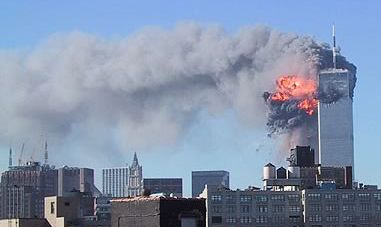
11.09.2001 – the darkest day in American history, YET!
Why would the great Nostradamus himself preach this historical turning point in the “New (YORK) City” as the beginning of the end of times?
It’s the day America was brought down on its knees by leader of Al-Qaeda, Osama bin Laden. It was only the beginning. A series of attacks against America have followed ever since and in the current geopolitical conditions – the war on Iraq, the war on ISIS, the Syrian and Ukrainian war, the constant terrorist attacks – it’s obvious we’re living in an unstable world that seems to teeter on the edge of complete chaos.
“Two great rocks for a long time will make war”
Besides America, the greatest power on Earth, there is another nation that has been rising for some years both economically and military and threatens our safety…
What country has recently started its violent expansion? What country has the military and economic power to spread chaos?
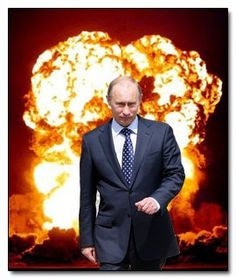
It’s greater than ISIS, Al-Qaeda, China, Iran, Iraq, all together. It’s the biggest country on earth ruled by the most fearful leader the history has ever seen: Russia with its dreadful leader, Vladimir Putin.
It’s Russia and all ancient prophecies are pointing in this direction.
The war we are on the verge on is foretold even by the HOLY BIBLE: “Think not that I come to send peace on earth: I came not to send peace, but a sword: Matthew 10:34” – Who else has sent “SWORDS” into Ukraine and Syria if not Putin himself? And, again, it’s only the beginning…
“And then Arethusa will color a new river red”
Arethusa, in Ancient Greek, means “the waterer”. The red river is the blood of our brave American soldiers who will die defending the country we all love.
But how will Putin strike using the force of water?
The world has already seen the force of nature. Countless fires, hurricanes, floods, acid rains, earthquakes etc. have struck our beloved country time after time…
It may seem that we are at the mercy of nature.
OR ARE WE?!…
“Earth-shaking fire from the center of the Earth.”
Again, to understand this apocalyptic message we need to look back into the history…
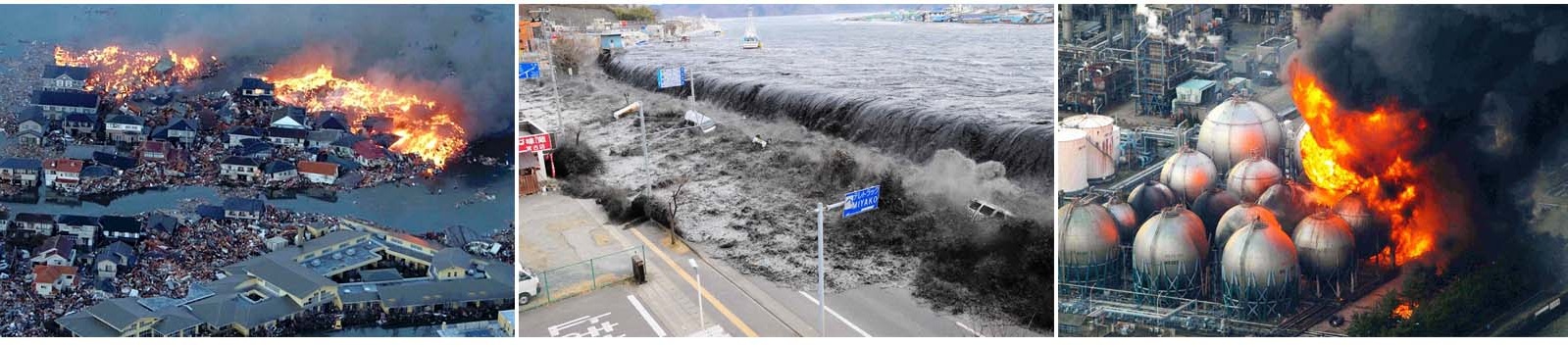
The day is 11 March, 2011. Japan – Eastern Coast. 14.46 local time.
The alarms start to ring. A huge tsunami can be seen across as it darkens the horizon. All hell unleashes over the land as the giant water block reaches the shore at heights of 133 feet.
The water falls down as a wall of bricks that smashes anything in its path.
15,893 deaths, 2,572 people missing, 1,148,067 buildings destroyed. And probably the most important damage the tsunami made – the Fukushima Nuclear Power Plant…
All media stated at that time: “The force of nature”. Key persons running the media as skillful puppeteers are knee-deep in this massive cover up…
You might be tempted to believe this nonsense. Yet, in light of recent discoveries, things tend to look like SCI FI movies, but real hard evidence can back up every piece of information presented here.
Have you ever thought that not all natural disaster can be “natural”?
Over the years there have been many man-made disasters that had economical or military reasons.
Numerous sources claim that the 2011 tsunami was caused by man and the disaster and they were far from natural. [i]
They were also silenced…
This information never reached the surface because it would have meant WW III, as China would have investigated and would have declared war to whoever was responsible.
One of history’s most devastating events was created by man. And the purpose for such actions lies in the blue eyes of the former KGB agent who started his world conquer campaign from the very first day he took over Russia.[ii]
Russia’s military budget has tripled since Vladimir Putin won the elections in 2012. Hidden investigations revealed massive investments in 2 key points on Russian territory…
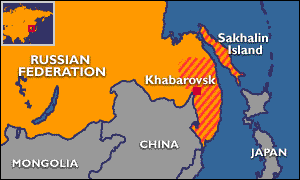
The first base Putin set his eyes on is Vladivostok. Besides this city, which is actually a military base, Putin has been pouring money into another secret military headquarter. The second key point of Putin’s worldwide campaign is located the Eastern part of the country, where high tech military camps were built in Khabarovsk
While media has been covering only the European and Syrian issue with Russia, Vladimir Putin has been investing in this secret operation and is planning on activating this cell to fulfill his master plan that will lead to a disaster of biblical proportions.
Listen to Brooks Agnew, earth tomographer, explaining this cutting edge technology:
This is the exact technology Putin developed to build a weapon of mass destruction in Khabarovsk.
Sources claim that Putin tested this technology on March 11, 2011 and caused a huge tsunami…[iii]
Hurricane Matthew started forming on September 28th , 2018, when satellite footage showed the same activity in Khabarovsk on a larger scale…[iiii]
It is clear that Russia is preparing to take over the world and Japan and Matthew were mere tests…
Using this technology, he will strike America from distance and he won’t even be traced. So we won’t even know what hit us. The American government is not prepared for such events but you can be…
The consequences of such a powerful weapon will be far worse than Japan when Putin hits us with full throttle!
Anything starting from earthquakes, to hurricanes, massive fire spreads, massive and permanent power-outs!
How will the collapse start?
Firstly, the healthcare, which is already, as we all know, basically on its knees, with less and less personnel and less and less funding, will be overflowed, no matter the crisis…
Your local hospital will be overflowing and the staff probably won’t be able to help you or your loved ones…
During Florence for instance, non-threatening illnesses turned deadly because of lack of personnel, supplies and medicine…
The hospitals are barely prepared for the patients they get daily…
Next, the transport will shut down. You will not be able to travel to safe places to provide food or shelter. Medicine will not be delivered and pharmacies will be emptied in minutes.
And you may think this is the worst part. Yet, you can say goodbye to telecommunications, utilities and running water…
The diseases will spread in an instant, police won’t be able to help anyone (they barely do it now)…
As the great Nostradamus predicted, America will be covered in “rivers of blood” and we’ll all suffer…
So, when learning the truth, I gave it a good thought and decided not to sit around and wait for the disaster to strike.
I began researching every single survival technique I could find to save my family.
I made it my sole purpose because leaving my family’s wellbeing in the hands of the government clearly wasn’t an option.
Not only do they ignore the needs of the American citizens, but they keep us in the dark about the imminent danger.
So I immediately began to look at the problem from every angle because I wanted to make sure my family never goes through such an experience. There had to be something.
Frustrated, I created a list of what I needed:
how to treat ourselves and others in case of an injury when doctors, pharmacies and hospitals are shut down…
how to protect ourselves from diseases, viruses and any illnesses…
what food, liquids and medicine to stock up and where to find sources of food, water and other necessary materials…
how to keep our appliances running, while the entire US power grid will be down…
And much other useful information…
Being a historian doesn’t really offer those kinds of skill…
So I started looking into every other solution that could bring me the security for my family.
Many sleepless nights passed and I was getting tired of surfing the Internet for a simple and efficient solution.
Yet one day, Emily, my wife, reminded me about my high school friend Rick who is a war veteran.
As a professional in the military field he had all the resources to help me.
After getting back from Iraq he dedicated his life to become an expert survivalist.
So I picked up the phone and called him.
We met up and discussed what I found out. When hearing the facts, he was very surprised. He told me that most of his army trainings consisted of similar threats.
He then explained to me the real secret to be safe in such situations is to know some basic techniques that only military men know. Because he trained in some of the toughest field conditions in the world, he knew them like the back of his hand.
That was the moment I realized I found solution to my problem.
What I didn’t realize however, is just how complex this domain is.
The true secret of it is that it so simple to learn.
And the fundamentals are so easy, yet few know it and it’s rarely used.
So, if properly taught, it can ensure anyone’s safety.
Without wasting a second, the very next day we met and we started sort of a “survival training” at his training camp.
As the training began I swore myself I wouldn’t go back home without the proper skills to survive The Strike.
After many hours of going through dozens of techniques I found what I was looking for and I realized that they held the key to protect my family.
But what I didn’t know exactly was how to apply them in extreme situations…
Rick, being an enthusiast in this field, thoroughly explained them to me.
However, I insisted to set some basic rules:
I had to be able to easily teach them to my children .
The materials we used had to be easy to find when everything goes South.
As a guy who trained in this domain, Rick had a pretty good idea of the methods that can help you survive under any circumstances. However, learning to apply them wasn’t that easy…
We had some heated arguments, mainly because of me being stubborn – I needed the course to be really easy to understand and teach others…
In the end, after several weeks, we finally came up with the simplest techniques that anyone can understand. Brilliant as they were, they could come in handy for anyone, anywhere.
We only used things lying around his training camp that I never thought could be of such use.
All accessories used during the course wouldn’t have cost more than 50 bucks at Home Depot.
However, I’m sure anyone could also find them around their house for free, if they weren’t in a rush.
But the most important part is that it was incredibly useful and easy to remember.
No risks of injuries or damages, so anyone will have zero worries about their family’s safety.
They simply have to follow the steps in the right order to achieve the skills…
And because of the ingenious way the course was designed…
They’ll be prepared for when Putin strikes with any weapon.
They’ll be prepared for any dangerous situation that might occur.
Even more, the techniques will provide security for anyone’s family, even if you face the most dangerous situations or you need them around the house.
So, after finishing the course, I headed home at peace, knowing that I’m prepared to protect my family from any disaster.
After a while, my family and friends noticed a change in me. They all saw me more relaxed, more confident in myself.
But the first test came shortly.
The next spring we went on our yearly family camping trip. Once a year we have a family tradition to spend a night or two in the wilderness – only us and the nature.
We packed all necessary supplies and headed out.
But this time was different.
At nightfall, as we were preparing to go to sleep, my wife, when moving the food in the trunk of the car, slipped on the wet grass and fell.
I heard a scream in the dark.
She had the bad luck of falling on a choppy rock and cut her calf.
I immediately rushed over and I realized it wasn’t a simple cut. It was deep and it was bleeding fast.
At the sight of blood she panicked and started to shiver.
I calmed her down and told her she was safe and everything would be OK.
I told her to lie on the back, I placed her legs at a higher level than her body, then I grabbed the first aid kit, cleaned the wound and bandaged her leg not to lose any more blood.
After securing the wound, I improvised some leg splints and tied them with some rope I had in the car, just in case – exactly how Rick had taught me.
Because of the difficult road we couldn’t rush to the hospital that night but as soon as the first rays of sun came we drove off to check the wound.
After thoroughly analyzing the splinters, bandages and the cut, the doctor told me everything was OK and, to my surprise, asked me if it had been done by a healthcare professional because besides changing the bandage, nothing else was needed.
Feeling relieved, we went home. On our way, while driving, I realized how lucky we were that I had trained with Rick for Putin’s Big Strike.
I followed the steps Rick had taught me with such ease and it all came so natural to me that I didn’t even realize it at the moment.
In truth, I almost couldn’t believe how simple all of this was… and how it helped me and my family stay safe.
After a while I gave it a good thought and realized that it had been a great lesson…
In emergency situations you have to rely on yourself and not be dependent on anyone else.
And I felt so RELIEVED to know that I could offer my family the sense of safety and that they would always grow up in a warm, secure and comfortable home.
Now, that was about a year and a half ago…
And since then, my family and I have been more relaxed than I ever thought I would.
I started applying more and more of Rick’s techniques around the house and everything got easier.
Plus, using some of the information, I managed to grow a few vegetables and fruits in my small backyard.
Enough to never worry about extreme situations such as food-shortage.
Well before long my friends and family members were begging to know my secret…
And when I told them about my camp experience and how Rick’s techniques helped me then and on a daily basis…
A lot of them had a hard time believing some survival lessons could be so helpful.
But after I’d given them the simple, clear instructions… and they’d followed them, and even applied some on routine chores with ease… they became believers FAST.
Because when anyone used these amazing plans, the results were the same: sense of security, self-confidence and a safe environment for themselves and their family.
They all learned how to grow and cook their own food, produce their own water, protect their selves and their loved ones from any disaster, how to protect their homes … and more amazing such skills.
Soon my friends were telling their friends about the plans…
Until finally the number of phone calls and emails from people asking me to share them became too overwhelming…
Emily put her foot down and told me that I HAD to find a better way to share this information with the world.
So, I went to work with Rick putting on paper all the techniques, all the knowledge we had in clear simple steps.
Let’s make no mistake, we are already in WWIII. A more noble term is “The Great Reset” – the World Economic Forum’s (WEF) eloquent description of a devastated worldwide economy, countless bankruptcies and unemployment, abject misery, famine, death by starvation, disease and suicide. Hundreds of millions of people have already been affected by this “collateral” damage of the “covid-19” fear-propaganda bio-war, with a death-toll maybe already in the tens of millions, but which in reality cannot even be assessed at this time.
And this only one year into this criminal madness, a diabolical elite of multi-multi billionaires has pushed upon us, We the People. We are only in the first year of the war which by the Reset’s plan is to last the entire decade 2020-2030. The agenda is supposed to be completed by 2030 – it’s also called UN Agenda 2030.
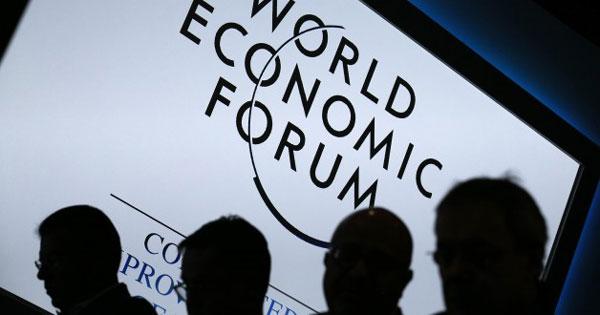
The WEF is, in fact, nothing more than an NGO, registered in a lush suburb of Geneva, Switzerland. Its members are, however, a collection of dirty-rich people: High-ranking politicians, heads of corporations, banking gnomes, artists and Hollywood personalities – none of them are people’s elected officials with a mandate to rule the world.
Yet, they are effectively ruling the world, by coopting, coercing, or threatening the entire UN system and its 193 member countries into their obedience. Because they think they have all the money in the world, and they can. Mind you, money acquired in a fraudulent system designed by them. – But more importantly, because We, the People, let them.
The Great Reset has three major goals, all of equal importance
(i) massive depopulation,
(ii) shifting all assets from the bottom and the middle to the top; following the motto for the masses, at the end “You will own nothing and be happy”. That is Klaus Schwab’s conclusion for the completion of The Great Reset; and
(iii) a complete digitized control over everything – money, mind, personal records and behaviors – a combination of Aldous Huxley’s “Brave New World”, and George Orwell’s “1984”.
As we can see, the WEF is involved at every level in the Plandemic and its consequences, especially the consequences that favor the Great Reset. As Klaus Schwab in the Great Reset so revealingly says, the pandemic opens a “small window of opportunity” during which these consequences (meaning the reshaping of the world) have to be realized. Everything has to work like clockwork.
So far, it seems to be on track. Though, as more people are waking up and scientists consciousness make them leaving their straight-jacketed matrix-jobs, resistance is growing exponentially.
The NGO, trillion-dollar members-powerhouse, WEF, is outranking the world’s peoples designed and implemented UN system by far. Recently the WEF, now in association with Carnegie Endowment for International Peace, was warning of a cyber-attack on the western monetary system. To emphasize their point, they said, it is “Not a Question of If but When.“
According to the Last American Vagabond (LAV), a “report published last year by the WEF-Carnegie Cyber Policy Initiative, calls for the merging of Wall Street banks, their regulators and intelligence agencies as necessary to confront an allegedly imminent cyber-attack that will collapse the existing financial system.”
“In 2019, the same year as Event 201 took place (Event 201 – 18 October 2019, in NYC, simulating the current SARS-CoV-2 plandemic and destruction of the world economy), the Endowment launched its Cyber Policy Initiative with the goal of producing an “International Strategy for Cybersecurity and the Global Financial System 2021-2024.” That strategy was released just months ago, in November 2020 and, according to the Endowment, was authored by “leading experts in governments, central banks, industry and the technical community” in order to provide a “longer-term international cybersecurity strategy”, specifically for the financial system.”
The Cyber Policy Initiative emanating from the joint venture’s WEF- Carnegie Endowment report of November 2020, is contained in a paper titled
It begins by noting that the global financial system, like many other systems, are “going through unprecedented digital transformation, which is being accelerated by the coronavirus pandemic.” It concludes with the warning that:
“Malicious actors are taking advantage of this digital transformation and pose a growing threat to the global financial system, financial stability, and confidence in the integrity of the financial system. Malign actors are using cyber capabilities to steal from, disrupt, or otherwise threaten financial institutions, investors and the public. These actors include not only increasingly daring criminals, but also states and state-sponsored attackers.”
A fully digitized monetary system has been on the WEF’s and IMF’s agenda for years. They cannot wait to implement it. So, if indeed, a cyber-attack on the western monetary system actually will take place, there is no question, who has planned and implemented it.
The drive for total digitization of everything, but foremost the (western) world’s monetary system, is an integral part of The Great Reset. It is supported, of course, by the banking and finance sector, including western central banks. Its implementation is to be accelerated by the covid-fraud, but encounters fierce resistance in many countries, especially in the Global South but also in the western industrialized countries, where intellectual groups realize what this means for the resources and assets worked for and owned by the people – it will be easily ‘expropriated’ so to speak, for example, for disobedience, as the control will be fully with the banks.
And this leads to the conclusion of the nefarious Great Reset – “You will own nothing and be happy”.
Luckily, the East, led by China and Russia, has gradually withdrawn from the western monetary system and are largely independent, monetary-sovereign countries. Therefore the western digitization drive does not apply to the East which is further enhanced by the China-Russia led Shanghai Cooperation Organization – SCO – accounting for about half the world’s population and a third of the world’s economic output – GDP.
If Klaus Schwab and the WEF’s “Illuminati” would have their way, by 2030 the grand flock of humans will be transformed into “transhumans” – a kind of semi-robots that responds to AI signals controlled by The Great Reset’s masterminds (sic), which by then will have become the leaders of a tyranny, called the New or One World Order – OWO.
We, the People, would then have become the new AI-directed serfs. Or, as per Aldous Huxley’s Brave New World, the “epsilon people”.
Let that not happen.
Let’s unite and resist with all our powers.
We are still 7.8 billion people against a few pathological soulless multi-billionaires.
Scrambled eggs with jalapeno peppers, and a strawberry milkshake. The last meal of the condemned.
Hillary Rodham Clinton was hanged at Guantanamo Bay Monday night, her death the culmination of an operation that began on March 2 when U.S. Navy SEALs on Donald J. Trump’s authority arrested the disgraced politician at her Chappaqua, NY mansion. After a five-day tribunal at the world’s most infamous detention center, a three-officer panel found Clinton guilty of murder, accessory to murder, treason, child trafficking, and other high crimes. Clinton, who had refused counsel, had uttered nary a word throughout the proceedings, and had taken Vice Adm. John G. Hannink’s sentence of death with an unflinching gaze.
The hanging took place at 9:05 p.m., at once after Taps, which marks the start of quiet hours on U.S. military bases across the globe.
“The world is about to sleep quieter tonight,” Vice Adm. John G. Hannink said to a small assembly that included 3 Joint Chiefs of Staff and, notably, Donald J. Trump, who, garbed in his typical dark suit and crimson tie, had arrived at GITMO earlier in the day. Michael Pompeo and former NYC Mayor Rudy Giuliani flanked him, both men having played an integral role in amassing evidence against Clinton.
Under military guard, a shackled Hillary Clinton was escorted from Camp Delta detention block to gallows made of steel latticework, with a downward swinging door beneath her feet, that the Army Corps of Engineers had erected in a clearing near Windward Point Lighthouse, on GITMO’s southern edge. Affixed to a steel beam was a rectangular box with five circular, red buttons protruding from the case. In front of each button stood a uniformed soldier. Atop the platform, another soldier slipped a braided noose around Clinton’s neck.
Vice Adm. Hannink addressed the execution detail: “When I say ready, and not one moment before, you will poise your left index finger in front of the button. You will keep it hovered there until I say execute, and then you five must simultaneously press your button. Only one of the five buttons will trigger the door, and none of you will ever know which button that was. Do you understand these instructions?”
“Yes, sir,” the five bellowed in unison.
A chaplain and a physician climbed the 13 steps leading to the top of the platform and stood beside a soldier who was checking to ensure the noose was secure around Clinton’s neck. Below them, Vice Adm. Hannink asked if Clinton wanted last rites or had any final words.
Clinton broke silence. “I’m Hillary Clinton, you can’t do this to me,” she said, her voice a witch’s cackle.
“It’s already done,” Donald J. Trump shouted up at her.
“Ready.” Vice Adm. Hannink nodded at the execution detail.
After a moment’s pause, he gave the “execute” order, the soldiers pressed their buttons, and the grate beneath Clinton’s feet swung open. Her legs and feet, still shackled at the ankles, twitched a moment or two, then stopped.
The rope was cut, and Clinton’s lifeless body lie sprawled in a damp patch of grass. The physician present checked her vitals and declared her dead.
A confidential source involved in Trump’s mission to obliterate the Deep State said the overall mood was somber and melancholy; there was no celebration, no jubilation, just an atmosphere of contentedness, an acknowledgement that what had to be done, was done. The nature of her crimes overshadowed celebratory thought. But a four-decade reign of terror had come to an end.
“As much as Trump hated her, this was purely business. He cares about the children who suffered at her hands more than he cares about what she did to him. Yes, her demise sends a signal to the Deep State. But Trump knows there are many more to go, and he won’t celebrate till the job is done,” our source said.
The current state of the medical system is cause for alarm. No matter where you are in the world now chances are there has been a strain put on the system that is there to protect you. Over run clinics, and a lack of supplies are all taking their toll on the system. A simple trip to the doctor can quickly become a depressing adventure in the world today. This is especially true in areas like the United States where individuals rely on health insurance to visit a doctor.
A collapse of the medical system in these areas often means a collapse of health insurance coverage. Without coverage, a visit to the doctor can cost hundreds or thousands of dollars. Never mind the costs if you require intensive care. In fact, current reports on pandemic highlight the discrepancies in the health care system, from being under-funded to being over-run… a collapse of the system is not a far-fetched idea in the current global climate.
This pandemic shows us how precarious our healthcare system is and reminds us all why need to be prepared for the worst. Do not despair, however, there are things you can do to prepare and many ways that you can take care of yourself should the system collapse.
Build Yourself A First Aid Kit
A good first aid kit is essential. I am not talking about the cheap kits that you can buy at the dollar store. Instead, you should have a solid prepper kit that includes:
Bandages and gauze
Paracord
Benadryl and Imodium
Medical Tape
Saline eye drops
Safety pins
Ibuprofen
Gloves
Scissors or trauma sheers
Vaseline
Hydrocortisone cream
Antibiotics (Bactrim or Doxycycline)
Thermometer
Aspirin
A good first aid guide
Get An Advanced Supply Of Medicine
Being prepared means being ready for anything. It is possible for you to have the supplies you need if you simply think ahead.
If you currently take medications try to get in to see your doctor or get to the pharmacy for a refill a few days before your prescription ends.
If you can pick up your new prescription even a day or two before you run out, then you can save up a few pills at the end of every month and create an inventory over time. Saving even a few pills now means that you will have a stockpile should you need it later.
Make Your Own Medications
While you may not be able to get all your medications without a doctor, there are things that can help prevent infection or alleviate pain. The following list will help you find natural products that you can use in an emergency.
Natural Antibiotics
Garlic
Garlic is recognized for its preventive and curative properties. It is an effective treatment against many forms of bacteria and is used to treat infections or open wounds.
Garlic can be used when you have an abscess tooth, for example, by placing a cut clove on the infected area and leaving it there to help pull out the infection.
For a look at a study that reviewed the therapeutic effects of garlic, click here.
Honey
A well-known natural antibiotic, people have turned to honey to help heal their wounds and draw out infection for centuries. Even today, doctors use honey dressings to heal the wounds of burn patients.
Echinacea
Traditional healers have used echinacea to heal wounds and treat infections. Echinacea has been shown to kill many types of bacteria and is readily available at health stores or online.
Natural Painkillers
Turmeric
Turmeric, the spice found in curry, contains a compound called curcumin, a known antioxidant that can help with pain, indigestion, or other ailments.
It is used to treat conditions like indigestion, ulcers,stomach upset, psoriasis and arthritis pain.
There are many options for using turmeric including Turmeric tea, Turmeric smoothies, or Golden Milk.
Willow bark
Willow bark helps to treat pain from inflammation. It contains salicin, which is like most over-the-counter pain medications. While people sometimes chew the bark, you can purchase it in a dried form and brew tea to help with pain and discomfort. Willow bark comes with risks, however. Possible side effects include stomach upset, and reduced kidney function, as well as prolonged bleeding. It is also harmful to children.
Cloves
Cloves are found in pill, powder, or oil form. You can use cloves to treat a wide range of ailments. They help to ease nausea, treat colds, and treat infection. Cloves have been used to relieve the pain associated with headaches, arthritis, or tooth aches and are often used as a topical pain reliever.
They have a natural ingredient that is also found in some OTC pain rubs, so it is a great all-natural option and should definitively be a part of your preparedness kit.
Heat and Ice
When all else fails heat and ice can help. Applying ice will reduce swelling and heat reduces the stiffness. An ice pack on your head will reduce a headache, and heat helps with arthritis. Always have these items on hand.
There are a lot of options available for treating common ailments. Your best defense is research. Start looking at ways to naturally treat some of the most common ailments and go from there. If you know that you have a specific condition or are likely to end up with a specific injury, you must arm yourself with knowledge so you are ready should the need arise.
The event of a medical system breakdown may have once been an unlikely scenario, but today it is a likely case. The strain of the ongoing pandemic and the precarious state of our current system mean that there will be an eventual breakdown of some kind. It is best to be prepared for the worst-case scenario so that the actual events do not catch you off guard.
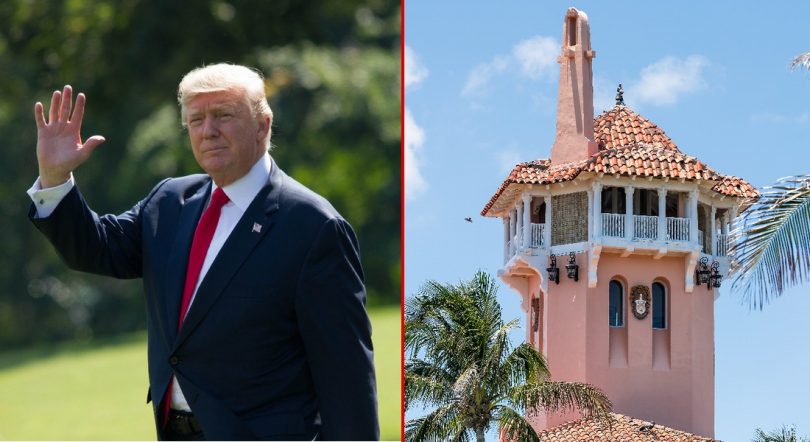
Donald Trump plans on moving the operations for the Office of the Former President from his familiar stomping grounds in Mar-a-Lago.
“Like so many Florida snowbirds, former President Donald Trump and his team will flock back north, to the New York region, after spending his first months out of the White House at his beachside Mar-a-Lago estate,” Tom LoBianco wrote in an exclusive piece for Business Insider.
But Donald Trump’s post-presidential office won’t be located in Manhattan, where he grew an empire as a real estate mogul. He will be moving it from the Florida locale once referred to as the ‘Winter White House’ to a different kind of swamp — the state of New Jersey.
The reason why he is uprooting the base of operations from the wonderful Sunshine State to the Garden State makes a lot of sense: It’s about the money.
“They’re moving the whole operation to New Jersey because they’re going to start doing more fundraising,” an advisor with ties to Save America and the Make America Great Again PAC told the Insider.
In late January, Donald Trump officially launched the Office of the Former President in a statement.
“The Office will be responsible for managing President Trump’s correspondence, public statements, appearance, and official activities to advance the interests of the United States and to carry on the agenda of the Trump administration through advocacy organizing and public activism,” the statement said. “President Trump will always and forever be a champion for the American People.”about:blank
The office launched an advocacy arm at the time: The Center for American Restoration, which “aims to try to keep cultural issues that animated Trump’s presidency on the public agenda.”
Trump has also launched an official website for his post-presidential agenda at 45Office.com. “The website allows the public to submit messages, scheduling requests and press inquiries to Trump and former first lady Melania Trump.”
Donald Trump has played kingmaker from Mar-a-Lago. He has remained active and has made a number of political endorsements ahead of the 2022 elections. His Save America Pac, created after the 2020 election, and Make America Great Again Pac, have an impressive warchest
Save America, a leadership PAC created after the general election, entered 2021 with more than $31 million cash on hand, according to an Federal Election Commission filing,” CBS reported on the PAC’s most recent FEC filing. “The bulk of that money, $30.4 million, was transferred from the Trump Make America Great Again committee.”
“The cash in Save America is just a fraction of what Mr. Trump and Republicans hold in various political committee accounts,” CBS added. “His presidential campaign committee still has $10.7 million in the bank. Mr. Trump’s joint fundraising committees with the Republican National Committee, Trump Make America Great Again Committee and Trump Victory, have about $63 million cash on hand — although the former president isn’t entitled to all of that money.”
In March, Donald Trump issued a statement advising Republican donors to give money to him directly and not to ‘RINOs’ — shorthand for ‘Republicans in Name Only,’ referring to members of the GOP who constantly capitulate to radical Democrats.
“No more money for RINOS,” Trump said “They do nothing but hurt the Republican Party and our great voting base—they will never lead us to Greatness.”
“Send your donation to Save America PAC at DonaldJTrump.com,” Trump’s statemement continued. “We will bring it all back stronger than ever before!”
It looks like bringing America “back stronger” will include fundraising and outreach from a post-presidential office in New Jersey.

















 Ultimate-Survival