US citizen Russell Bonner Bentley arrived in Donetsk to become a volunteer freedom fighter against the scourge of Nazified Ukrainian occupation.
Aged-61, codenamed “Texas,” he he came with this aim in mind — “as a soldier (and) a human aid volunteer,” he explained, adding:
The fabricated official narrative has nothing to do with reality on the ground in Donbass.
While Russian forces go all-out to protect civilians and nonmilitary infrastructure, Ukrainian Nazis “use human shields” — with full support and encouragement from US-dominated NATO.
For Western darlings, it’s “not just a tactic. (It’s hardcore) strategy.”
“Hiding behind their own civilians is (flagrantly illegal), cowardly…treacherous (and) dastardly.”
Anyone not believing that Ukraine is infested with cutthroat Nazi thugs is deaf, dumb and blind to reality.
Kiev’s “Nazi battalions are genuine Nazis,” Bentley stressed, adding:
“They have swastika tattoos. They say ‘Heil Hitler’ and ‘Slava Bandera.’ ”
Their crushing defeat in Mariupol “marks the beginning of the end of” Russia’s liberating SMO, Bentley believes.
Since he arrived in Donbass years earlier, “it’s been horrific” because of US/Western support for Nazified Ukraine and its elite Nazi fighters.
Their presence is like “a mad dog or poisonous snake” on the loose in your neighborhood.
Bentley was in Odessa on May 2, 2014 when US/Western supported Nazi thugs burned Ukrainians opposed to tyranny to death in the city’s trade union building.
Those managing to escape were lethally shot in cold blood or beaten to death.
Mass surrender this month by Nazified thugs in Mariupol was a major Russian triumph.
Not only will these thugs no longer terrorize Donbass residents or anyone else again, but their attire and bodies adorned with swastikas and other Nazi symbols reveal their despicable ideology and agenda to everyone paying attention.
It’s in stark contrast to how Russian forces operate humanely “and still”triumph as they’re doing.
Based on polling results about Russia’s SMO in Ukraine, most Americans are “brainwashed” by propaganda TV, Bentley stressed, adding:
“They have no critical thinking skills. They’re politically and historically illiterate.”
They’re why Gore Vidal and oral historian Studs Terkel called the USA “the United States of amnesia.”
They’re mindless of reality past and present. A minority of Americans understand what the majority fail to grasp.
It’s clear by their ignorance about what’s going on in Ukraine.
I explained what’s going on to a friend about reality on the ground, saying the following by email:
Russia isn’t the bad guy falsely portrayed by the US-dominated West and their press agent MSM.
Since the Soviet Union dissolved in 1991, the Russian Federation never preemptively attacked another country.
Vladimir Putin authorized Russia’s SMO in late Feb. because over 100,000 US-controlled Ukrainian forces were mobilized in preparation to invade the breakaway Donetsk and Lugansk republics bordering Russia, as well as the Russian Republic of Crimea.
Russia acted to prevent what could have been disastrous.
Its aim is demilitarizing and deNazifying Ukraine, along with protecting its security — its legitimate UN Charter right.
Americans relying on propaganda MSM to learn what’s going on are mind-manipulated to know nothing more than the fabricated official narrative on all major domestic and geopolitical issues.
Separately, there’s no ambiguity about the fate awaiting Ukrainian war criminals — based on eyewitness testimonies and other indisputable evidence.
Their “crimes will not go unpunished,” Russian Foreign Ministry spokeswoman Maria Zakharova stressed, adding:
“The leadership of the Donetsk People’s Republic plans to create an international tribunal on the territory of the republic to” hold them accountable for crimes too grievous to ignore.
“Its charter is currently being worked on. We welcome this initiative.”
According to DPR leader Denis Pushilin:
The tribunal will focus on “maximum publicity (and) transparen(cy).”
It’s vital for “as many people as possible (to be) made aware of the unacceptable war crimes of the neo-Nazis.”
Along with 2,439 POWs in Russian custody from the bowels of Mariupol’s Azovstal steel plant, hundreds more Ukrainian Nazified and conscript fighters laid down their arms and surrendered.
Accountability awaits the guilty.
Ones found guilty of murder, torture, rape and/or other high crimes will never see the light of day again except from behind prison walls and bars where they belong.
If we have an event similar to the nationwide power outage portrayed in American Blackout, there is little doubt that we will eventually have widespread panic, looting and rioting by people who either don’t care or are driven to criminal behavior because of fear or need. The duration of the hypothetical scenario in American Blackout was only 10 days, but for events lasting longer as in a societal breakdown caused by an economic collapse, we could be looking at years of chaos. With no formal way to purchase anything using what would at that time be worthless paper, people would need to revert to bartering.
I have discussed potential risks with bartering in the past that I still feel would be valid, but assuming that barter was the only form of commerce you could use I wanted to write down my thoughts on what I felt would be the best bartering items to have on hand. If you could stock up on prepping items now with an eye toward a future without money, what would be the best items to have on hand for barter with someone else?
Before I get into that, let me quickly explain what bartering is to those who don’t know. Bartering is simply exchanging goods or services for other goods or services. It is trading without using money. An example of this is I have a neighbor who has a large and productive garden and he has tons of beautiful vegetables that he grows like nobody’s business. I on the other hand have chickens that lay a good number of eggs each day. He has vegetables and my garden is lagging this year. I have eggs and he doesn’t have any source of protein. In a barter situation, I could negotiate with him some of my eggs for some of his vegetables. We would both work out an equitable amount of each (vegetables and eggs) and trade. The terms would be up to us and I would be free to set my prices as low or high as I wanted. My neighbor would be able to do the same.
If the grid goes down, bartering may be how you conduct business.
This concept isn’t new and bartering was actually the way people purchased things for a very long time. Bartering continues to this day, but you can’t go into a Wal-Mart and say, “How about I cut your grass for all these groceries?”. Bartering would work best in small communities with people who know each other I think. Of course outsiders would be able to barter too, but then we get into that risky part of bartering I spoke about in my other post.
Bartering isn’t limited to goods. Services in the form of work or skilled trades can be bartered too. If we had the same grid-down economic collapse scenario I was talking about and my neighbor needed his roof repaired on his house. I could barter my carpentry skills for those vegetables too. One issue I can see coming up quickly in a long term catastrophe would be services of a more personal and physical nature. When you have nothing to trade but your body, I can see very bad things happening and this isn’t a plot from a movie either.
What am I trading for?
Now, we know what bartering is and how it’s done, but before you start stocking up on items you intend to use for barter, you have to ask yourself what you want to barter for? If you have barter items, the implication is that you would trade these for something you don’t have. If you are already planning to trade for something you don’t have, wouldn’t it make more sense to get that item you want instead of purchasing bartering supplies? Maybe that doesn’t work for all things and you would rather be safe than sorry. OK, I understand that, but the supplies listed below aren’t probably going to get you big ticket items. If you plan to barter for guns or ammo, you better have something very valuable to the people you expect to trade with.
Food – This one along with some of the others is a tough one. There will be people without food and I know that decent people will part with something of theirs that you want for food. Maybe if someone is desperate enough, they will barter a weapon for a big chunk of food to feed their family.
Water filters – Clean water is so simple, but immensely important. Disease is one of the quickest killers in any type of natural disaster. People in Haiti quickly succumbed to disease in the quake of 2010 because they had no clean drinking water and sanitation was a major problem. Having some simple water filters like LifeStraw or gravity fed systems like the PointONE could be highly valuable.
Ammo – This probably goes without saying, but ammo will be more valuable than even Gold I think if we really live to see TEOTWAWKI. The supply and pricing is still not back to the levels we enjoyed a couple of years ago. I don’t know if they ever would, but I can always use a little more.
First aid – Antibiotics – Medicine is hard to stock up on unless you have a very understanding doctor. Fortunately, there are sources for antibiotics you can take advantage of now and stock up before the hospitals are overflowing with people.
Toilet Paper – Feminine napkins – One of the first small wins in my quest to convince my wife that stocking up on some things wasn’t crazy. All she had to picture was not having some of life’s necessities on hand and that changed her mind about stocking up. A smarter alternative I think would be something like the Diva Cup that is reusable. Takes up much less space than 20 years of pads…
Candles – Candles are cheap and you can store them just about anywhere and forget about them. I have several boxes of candles in my supplies and these provide light and potentially warmth to someone who has nothing.
Batteries – Another no-brainer. If you have devices like radios, flashlights, walkies-talkies you will want to have batteries on hand. Bonus if these are rechargeable like Sanyo Eneloop.
Propane – Small propane canisters like the kind for camping grills or lanterns are relatively cheap and could make an excellent barter item.
Alcohol – Cigarettes – I don’t know how long cigarettes would store. If you kept them in a freezer they might last longer, but I wouldn’t devote a lot of space to something I can’t use, although I have said that if zombies take over the world I will probably take up smoking again. Alcohol on the other hand has a few uses. Buy small pint bottles and these may enable you to barter for something really needed if all other sources are gone.
Books – Resource books and even fiction books. Without our modern distractions, a good book will be welcome to someone who has the time to chill out or who needs to learn something.
What about toiletry items for hygiene and cleaning up? I have heard others talk about that and I am sure someone would want those if the situation were ever so dire that people valued getting clean more than eating or protection but I think that is of limited value.
What other ideas do you have? What if anything are you stocking up on to use as barter?
A good stockpile of food will go a long way toward helping you survive the aftermath of any disaster or life crisis, especially when grocery stores are emptied.
In fact, I’d go so far as to say that there are people who are not preppers who nevertheless instinctively know to stockpile food. This really isn’t surprising when you consider that through most of mankind’s history, stockpiling food was essential to survival — specifically surviving the winter months. During those months, wildlife is bedded down trying to stay warm and plants are dormant. If one didn’t have a good stockpile of food, their chances of survival were pretty darn slim.
But knowing to stockpile food and knowing what to stockpile are two different things. The vast majority of what the average American family eats is unsuitable for stockpiling, because it falls into one of three categories:
Junk food – Lots of carbs, lots of sugar, lots of salt and lots of chemicals, but not much nutrition.
Fresh food – Foods that won’t keep without refrigeration.
Frozen food – It will begin to spoil within two days of losing electrical power.
So we need to come up with other foods — foods that will give us a lot of nutrition and also have the ability to be stored for a prolonged period of time. Here are what we consider the 19 most important ones:
1. Beans – This is one of the more common survival foods. Not only are beans plentiful and cheap, but they provide a lot of protein — something that’s hard to find without meat.
2. White rice – The perfect companion to beans. An excellent source of carbohydrates, and it stores well. [Note: Don’t store brown rice, which contains oils and will spoil.]
3. Canned vegetables – A good way of adding micro-nutrients to your survival diet. Canned goods keep well, long past the expiration date on the label.
4. Canned fruit – For something sweet, adding canned fruit allows you a nice change of diet. Being canned, they keep as well as the vegetables do.
5. Canned meats – Of all the ways of preserving meat, canning is the most secure in protecting the meat from decomposition. While it doesn’t typically have as good a flavor as fresh meat, it still provides animal protein at the most reasonable price you’ll find.
6. Honey – As long as you can keep the ants out of it, honey keeps forever. Plus, it is beneficial during cold season.
7. Salt – Nature’s preservative. Most means of preserving foods require the use of salt. In addition, our bodies need to consume salt for survival.
8. Pasta products – Pasta is a great source of carbohydrates, allowing you a lot of variety in your cooing. Besides that, it’s a great comfort food for kids. Who doesn’t like spaghetti?
9. Spaghetti sauce – Obviously, you need this to go with the pasta. But it is also great for hiding the flavor of things your family doesn’t like to eat. Pretty much anything, with spaghetti sauce on it, tastes like Italian food — whether you’re talking about some sort of unusual vegetable or a raccoon that you caught pilfering from your garden.
10. Jerky – While expensive to buy, jerky is pure meat, with only the addition of spices. Its high salt content allows it to store well, making it a great survival food. It can be reconstituted by adding it to soups and allowing it to cook.
11. Peanut butter – Another great source of protein and another great comfort food, especially for the kiddies. It might be a good idea to stockpile some jelly to go with it.
12. Wheat flour – For baking, especially baking bread. Bread is an important source of carbohydrates for most Americans. Flour also allows you to shake up the diet with the occasional batch of cookies or a cake.
13. Baking powder & baking soda – Also for making the bread, cookies or cakes.
14. Bouillon – Otherwise known as “soup starter,” this allows you to make the broth without having to boil bones on the stove for hours. Soups will probably be an important part of anyone’s diet in a survival situation, as they allow you to eat almost anything. Just throw it together in a pot and you’ve got soup.
15. Water – We don’t want to forget to stockpile a good supply of water. You’ll go through much more than you expect. Experts recommend a minimum of one gallon per person per day, but remember: That’s just for drinking.
16.Whole-wheat –Crackers are a good replacement for bread and make a fine substitute when making sandwiches. Due to their higher fat content, whole-wheat or whole-grain crackers have a shorter shelf life than their plain counterparts (check the box for expiration dates), but the extra fiber pays off when you’re particularly hungry. Consider vacuum-packing your crackers to prolong their freshness.
17. Nuts and trail mixes – Stock up on these high-energy foods—they’re healthful and convenient for snacking. Look for vacuum-packed containers, which prevent the nuts from oxidizing and losing their freshness.
18. Powdered milk –Almost all dairy products require refrigeration, so stock this substitute for an excellent source of calcium and vitamin D when fresh milk isn’t an option.
19.Multivitamins –Supplements will help replace the nutrients you would have consumed on a normal diet.
While this doesn’t constitute a complete list of every type of food that you should stockpile, it’s a good starting point. You’ll want more variety than this, but in reality, your family can survive for quite a while with just the 15 things on this list.
As your stockpile grows, add variety to it. One way of doing that is to create a three-week menu, with the idea of repeating that menu over and over. If you have everything you need to cook everything on that menu, you’ll have a fair assortment of food, and enough so that your family shouldn’t grow tired of it.
HAM Radio has been around since the very beginning of radio, back in the 1890s. A loose-knit, but globe-spanning group, they are brought together by their common love for what they do. They are not a club, but comprise many clubs together. While mostly ignored and left to their devices, HAM Radio operators provide several essential services, such as providing military personnel in hazardous duty postings overseas a means of talking to their families. When other communications fail, it is the HAM Radio operators who provide emergency communications to the nations.
Yet HAM Radio may be in trouble. It appears that there are those in government service who don’t like the idea of a group of people who can do things the government can’t do for themselves; and HAM Radio operators have a long history of doing just that. When Admiral Byrd led his expedition to the South Pole, the Navy couldn’t maintain contact with him. But a HAM Radio operator by the name of Collins could, leading that HAM to create the Collins Radio Company to build his equipment and sell it to the Navy.
The First Inklings of Trouble
In 2012 the federal government launched a $47 billion Cell Phone Network, called FirstNet. Intended to be a public safety nationwide broadcast network, FirstNet was already obsolete the day it was turned on.
Conceived in the wake of 9/11, FirstNet is supposed to provide police and firefighters with a means of communication in times of emergency. But like many government projects, it went overtime and over budget. Fifteen years after the event which prompted its inception and four years after the due date, all that FirstNet has accomplished is to create another government bureaucracy that has spent taxpayer money.
So, how did this boondoggle start? After-action review of 9/11 determined that police and fire commanders had problems in communicating with each other. Supposedly because of that, information from police helicopters, which reportedly could see that the buildings were about to fail, never got transmitted to fire commanders, so that they could pull their people from the buildings. That was blamed for the death of 120 firefighters.
But while the media-hyped that conclusion, anyone can see there are a number of large holes in that theory. First and foremost, who designated the police officers flying those helicopters civil engineers, able to make that determination? Even if they did and even if they transmitted that information to the various fire departments involved, why would the firefighters believe them. Firefighters run into damaged, dangerous buildings all the time, why would they suddenly run out, based upon such an unreliable report?
If you’re looking for an example of the government doing something wrong, then this could be it. Two years after congressional approval, the only accomplishment the quasi-independent agency could show for itself was hiring a skeleton staff. Even that was questionable, as many of the key people seemed to have issues with conflicts of interest. Another two years went by before this group of bureaucrats managed to issue requests for proposals (RFP), asking contractors to bid on building and operating the system.
That alone is enough to make one wonder why the agency is even needed. If the actual work of running FirstNet was going to be done by contractors, what were the government workers going to do? Even worse, if the government workers in question were that slow doing their jobs, how would they ever manage to get information to first responders in a timely manner?
Besides, technology has outstripped the FirstNet system in the years it has taken to develop it. Digital cell phone networks can far outperform what the FirstNet system is intended to do, providing interconnected user groups, which have a priority for communications in an emergency.
Many major metropolitan areas have already dealt with the problems that FristNet are supposed to solve; and they’ve done it for much less money. So why bother creating such a solution? Could it just be for smaller communities? The RFP makes this a very real possibility, since coast-to-coast coverage is a requirement. But then, why should those first responders have such coast-to-coast communications, when the people who would be calling them for help won’t have it?
Basically, the system was designed for failure, right from the start. Yet thanks to bureaucratic inertia, development of the system continues, gobbling up dollars which could best be spent elsewhere. But even worse, the push to replace the HAM Radio network with this non-working and probably unworkable network continues.
So California Gets Involved
California has seen the writing on the wall and is already preparing. Convinced that at some undetermined day, still in the future, they won’t have to depend on HAM Radio operators for emergency communications, they’ve decided they don’t need them now. Therefore, they have sent a letter to all HAM Radio operators in the state, informing them that their repeaters will no longer be allowed to be on “public” land or buildings for free, but would instead have to pay hefty fees to locate them there.
The repeaters in question are privately owned and operated radios that boost the signal of communications that will otherwise not reach their intended destination. They are not owned by corporations which have deep pockets to pay government fees, but by individuals who provide emergency communications for free. Yet the government is now expecting them to pay for that privilege.
The repeaters don’t cost the government of California one cent. They are totally funded by the HAM Radio operators; people who provide this as a public service, out of their own pockets, in order to help ensure public safety in a time of emergency.
Perhaps this is just one more way for California’s government to squeeze a few more dollars out of taxpayers’ wallets. If so, it’s the wrong way to do it; the classic case of cutting your nose off to spite your face. The individuals who own those repeaters will either be forced to shut them down or move them to other, privately owned properties, where they probably won’t perform as well.
But one of California’s biggest goals, politically speaking, is to be the most progressive of all progressive states. Therefore, even if it does require cutting their own nose off, they will make things harder for HAM Radio operators. Then, when they need help that the HAM Radio operators can no longer provide, they’ll blame those same operators for “sabotaging” the system.
If California is truly leading the charge against HAM Radio operators with this move, they are making the nation less secure, not more secure. HAM Radio is the single most reliable and effective means of communication in any emergency and has been for over 100 years. Cutting it off at the knees, in the name of progressivism isn’t progress, it’s putting your own people at danger, in the name of ideology. Oops.
Chile has struggled to become a thriving democracy. Once a dictatorship under Augusto Pinochet, the country has gone through considerable turmoil since his death. Capitalism has not treated everyone fairly in this country, even though Pinochet was once lauded for the dynamic free-market economy he created, once cited as the “model for the developing world.”
By no means has Chile been the only country which has struggled to become a free-market democracy. Russia is still struggling, decades after the collapse of the Soviet Union. Iraq really hasn’t accepted democracy as a political model, even after enormous amounts of investment by the US government. Other countries have struggled as well, but not with the same results.
Much of the problem that Chile has been experiencing has been due to the vast income inequality that exists in that country. While there are portions of the population which are thriving, many others are still suffering, especially those who are dependent on retirements that were established under the Pinochet regime. Many schoolteachers are still working into their 80’s, because they can’t survive on their $300 a month pension.
For those working in non-skilled jobs, public transit to take them to and from their work costs as much as 21% of their weekly wages. Thus, when the government announced a 30 peso rise in the cost of the metro, it was met with anger. A student-led protest, called evasión swarmed the metro, jumping the turnstiles to avoid paying the increased fare. Workers took advantage of the opportunity to save a little money and joined the protest.
While protests are nothing new in Chile, these seem to have gained traction. A demonstration which started in the capital has now spread to many of the major cities, with continued evasión of fares and widespread protests in the streets.
It appears that socialist organizers and anarchists have joined in the protests, working to turn it to their political ends. As in many such cases, word coming out of Chile is a bit confused, with each side accusing the other of what they themselves are doing. Much of the reporting is tainted by the political leanings of the reporters who are on the scene. But one thing is certain, the government’s response doesn’t stand up under scrutiny.
Important below:
Today I’d like to share with you a “3-second survival hack” you can use to skyrocket your chances of protecting your loved ones during ANY crisis.
President Sebastián Piñera has declared that his country is “at war.” But if it is, it’s a war between the government and the citizens. While some government response is required to the violent acts of the protesters, that should be a police response, arresting the worst of the offenders and those who are inciting others to commit illegal acts. Protests, as our own government has learned, are not the reason to call out military forces armed and equipped to use deadly force.
We’ve seen that before in this country; at Kent State University in 1970. National Guard troops were called out in response to a protest. Although the National Guard does receive some training in how to respond to a riot, they are first and foremost soldiers, equipped and trained to kill, not to arrest people. In this case, the results were four dead college students and another nine who were injured.
The soldiers on the streets of Chile reminded many of the older citizens of the years of Chilean dictatorship, when such sights were common; a parallel that was lost on the students who started the protest. For the older citizens, that sight struck fear in their hearts.
The government has admitted to eight people being killed in the protests, but information leaking out of the country claims over 20 killed. There are also widespread reports of police and military brutality against the population, including against people who were not protesting, but merely in the wrong place at the wrong time.
Martial law was declared by the President, early on in the protests, allowing for the use of military forces and imposing ever more restrictive curfews on the people. Interestingly enough, whenever the protesters have gotten the upper hand, troops have retreated to wealthy areas of the cities, focusing on protecting the wealth centers. It seems clear from that action alone, that the leadership of the country is only interested in protecting their financial standing, not protecting the people.
Under martial law, police and military forces have beaten hundreds or perhaps even thousands of innocent people, often plucking them off the streets in civilian clothes, in an attempt to hide their identity. Civil rights are being trampled daily, as the government attempts to regain control.
Could that Happen Here?
Regardless of where you stand politically, Americans have grown afraid of politicians on the other side, especially as the political divide has grown. Each side assumes that the other is likely to declare martial law, on the thinnest of pretexts, imprisoning those who have declared themselves aligned with the other side. Yet that sort of thing has never happened in this country. For that matter, we haven’t seen people rounded up and put in any sort of detention camps since World War II.
Those on the left decry the “oligarchy” regularly, declaring that this country is actually run by them. But I’d like to propose a different viewpoint on that. That is, every government that has ever existed has been an oligarchy of one sort or another. Even monarchies are oligarchies, as the wealth is concentrated in the hands of the royalty.
Successful merchants could buy themselves titles under such a regime, gaining political respectability. But that’s not all they bought; they bought access to the throne, the seat of power. That’s what their titles and their money did for them, just like the oligarchy we have today.
Why is this important? Because in reality it has always been the oligarchy, the elite, who have been in control. I don’t care if you’re talking about the Rothchilds, the Bilderberg group, George Soros or our own political parties, they have kept the power to themselves. Much of the reason why they hate President Trump, is that he has defied their rule and has been working to do whatever he can to overthrow it.
As we’ve seen in the last few years, these power-brokers will do whatever they have to, in order to keep their power. Rumors have existed for years about how the Clintons have done away with anyone who could be a whistleblower on their nefarious actions. The same sort of rumors existed about Obama when he was in office. I’m sure if we searched around the world, we would find many more examples.
The accumulation of power and money is the central focus of these people’s lives. As such, they will do whatever it takes to retain that money and power. They don’t mind if we “little people” accumulate wealth or even some local power; but they aren’t sharing theirs with us. They will use whatever they have to, in order to keep control. Whatever they have to includes military forces.
These power brokers have control of large portions of our government, just like they do in other countries. As long as things go their way, they will allow us the illusion of our freedom. But if things don’t go their way, you can be sure they will take the necessary action to retain power.
What that Means for Us
One big difference between the United States and Chile is the Second Amendment. Even though there are those who are constantly chipping away, trying to take that right, the Second Amendment guarantees our right to keep and bear arms. There is no such equivalent in Chile.
That’s not to say that the Chilean people can’t own firearms. They can; but there are huge hurdles to overcome in order to get a permit to own one. Even bigger hurdles exist to having a permit to carry that gun outside your home. On top of that, private ownership of semi-automatic arms is prohibited.
Should martial law ever be declared in the United States, you can almost guarantee that it will be accompanied by widespread gun confiscation. This happened in New Orleans, in the wake of Hurricane Katrina. Probably the only thing that kept that from turning ugly and kept armed citizens from defending their right to keep and bear arms, was that there were so few of them still in the city; government forces had them outnumbered.
Many have declared that widespread gun confiscations would result in civil war. I tend to agree with that. While there are many gun owners who would give up their guns, albeit reluctantly, rather than fight government troops, there are enough of us who would stand up for our rights. How that war would end is anyone’s guess.
Recently, the new Democrat majority in Virginia’s state legislature passed a number of very restrictive gun control laws, without taking into account public opinion. They ended up being forced to retract those laws, when citizens got up in arms about it and law enforcement officers declared that they would not enforce those laws.
The same thing has happened in other parts of the country, as Democrat controlled state legislatures have tried over and over again to tamper with our Second Amendment rights. But in each and every case, while there have been some who have complied like good little sheeple, the majority refused.
This means that any protests against government overreach here in the United States have the potential of becoming much more violent than they do in other countries. While those of us on the right, who own most of the guns, are not the kind to take violent action, there are always a few who don’t see it that way. All it takes is one or two of them to start the ball rolling, and things could turn ugly, real quickly.
A second American Civil War would be even bloodier than the first. Not only are there more privately owned guns in the hands of citizens, than there are citizens, but the level of military technology has increased by several orders of magnitude. Hunters alone have our military grossly outnumbered. On the other side, the military has all the tanks, planes and artillery. As I said, it would be bloody.
This is probably why there are those in government service who are so bent on disarming the population. It also explains why the AR-15 is the main target of these people. You can’t win a war with pistols and even trying to win it without semi-automatic rifles would be difficult. Those who want to control us don’t want us to be able to fight back.
Throughout the last century, there have been numerous examples of what happens when the government disarms the civilian population. What we’re seeing in Chile today is nothing new; it has been done time and time again. Those who want to be despotic dictators (regardless of what political name they hide behind) know they must disarm the people first. It’s much easier to get sheep to submit, than it is to get sheep dogs too. The sheep dogs have teeth.
If anything, Chile serves as one more reminder as to why we need to defend our Second Amendment rights. Otherwise, it’s much too easy for those who would take away what remains of our liberty, the freedom to do so.
1 – At a community level because we haven’t experienced one yet and we don’t really know how bad it can get. Frank Gaffney – president of the Center for Security Policy predicted that:
“Within a year of an EMP attack, nine out of 10 Americans would be dead, because we can’t support a population of the present size in urban centers and the like without electricity. And that is exactly what I believe the Iranians are working towards.”
Experts also agree that the next nuclear war will start with at least an EMP. If one of the nuclear powers blasts a nuclear weapon 275 miles above the US it will produce an EMP that will basically send us, the Canadian and the Mexicans back to the Dark Ages. Can we fight back (after an EMP) or we will be nothing more than sitting ducks for Russian’ nukes? I have something you need to watch. It’s much better than I am at explaining the threat.
2 –At an individual scale because you don’t really know where you’ll be when it happens. There won’t be any kind of transportation or telecommunication. You’ll have to walk your way home. If you work 40 miles away from home, you better have a plan. If your car gets stuck with your family on the highway on a cold winter – you got to have a back-up plan. If your child is at school you got to get him… and so on.
Of course it’s imperative to have (at the back of your mind) a list of things to do immediately after an EMP. But just like in an economic collapse, you won’t be able to do a lot of things after the crisis begins. The information you’ll find bellow it’s good to know and should be considered as a plan. But it’s not 100% prepping. If you want to prepare for an EMP you need to have some things ready in advance.
So what actions should you take immediately following an EMP strike? Remember that time will be critical, the first few hours (days at most) will enable you to get a jump on everyone else and set the stage for your success. You will immediately know that an EMP, be it from a nuclear weapon or massive solar flare, will have struck your area. Your car will no longer work, your cell phone won’t work, the power will be out everywhere, planes will have fallen from the sky. You will know it was an EMP but the vast majority of the public will not, they will be quite literally sitting around waiting for someone to tell them what to do. You won’t know how large the scope of the strike is but you will have to assume the worst, which would be a nationwide outage.
First things first, if you are at work, get home. Your boss no longer has authority over you, your co-workers no longer are a priority. They will be trying to restart a computer that will never again work, trying to restart their smartphone, sitting in the break room trying to call 911 and saying things like: “This is ridiculous, I’m going to miss my 3pm sales call!” You on the other hand will go to you car and change into the extra set of clothes and shoes you keep in the trunk. You will don your “get home bag” and start walking, hopefully your walk will not take more than a day.
Once home it is time to start implementing your plan. Remember time is absolutely critical and you only have a small window of it in order to set yourself up for success. During these initial hours and days people will still have faith that some sort of government agency will come in to make everything better. They will expect to see the power come back on any minute because someone will surely do something. They will tell each other to sit tight, just hold on for a day or so because eventually the HMMWV’s will roll in loaded with supplies and some military officer or government official will explain that this is merely a temporary problem, nothing to worry about, sorry for the inconvenience. You know better because you realize just how devastating an EMP strike is and the reality is that it could be months before systems start to come back online. It will only take a week or two (at most) before things start getting really ugly because people start going hungry. With all of that that in mind you take these 7 actions because you were prepared for this to happen.
1 – Use your cash. In the first few days after an EMP strike cash will still have value. Take all of your cash and that radio flyer wagon your kids have and walk down to the corner store. Avoid the big retail stores, I suggest finding the corner gas station or local drug store. The owner of the store will no doubt be there, concerned that the items in the store are unprotected during a power outage. Explain to the owner that you are in need of some supplies, can pay cash and do not require change. Tell him/her that you will give them an extra $100 to allow you to “shop” for a few minutes. Load up your wagon with anything you can find to include medication, candy bars, water bottles, pop tarts, lighters, hand sanitizer etc etc. Of course you should be well stocked at home but you might as well get rid of your worthless paper money in exchange for any amount of extra supplies you can get your hands on. In a week (maybe less) most stores will be completely looted so you need to take advantage of this moment.
2 – Fill up the tub(s) with water. Hopefully you have a water bob for each bath tub in your home in addition to several other water storage devices and water purification/filtration devices. Remember a down grid means that fresh water will stop flowing to your home very quickly. Fill up your tub as soon as you can, that extra hundred or so gallons could prove invaluable. If you are concerned about the quality of the water remember you can add 8 drops of regular Clorox bleach per gallon to help purify what you have in the tub.
3 – Talk to your neighbors. This step is absolutely critical, you have to get out and talk to your close neighbors and explain to them what is going on. They will be in denial for the most part, hopefully you have copies of the EMP report printed off which you can distribute as you go door to door. Explain to them what is going on and that time is critical, let them know a worst case scenario means that there will be no help coming for quite a long time. Additionally mention the following to them.
a. Discuss a neighborhood watch. Tell them that in a few days or weeks things will get dangerous with hungry people roaming the streets. It is essential that you define your neighborhood’s boundaries and set up a neighborhood watch of sorts, assigning people to different shifts.
b. Offer to hold a meeting. Set a time that you will have a meeting at your home, say every day after sunrise in your garage. Tell them they are invited and that every day you will be there passing out information. At first you might not have anyone attend these meetings, in a few days there will be a handful and in a week you might have 50 or more hungry, scared, tired people demanding answers. If you are going to assume the role of a leader, be prepared to do just that.
c. Tell them to use their cash. Much like you should have already done, tell them that their cash will soon be worthless and that they need to get down to the market to spend it. Most people have no cash on hand, so this probably won’t be a real issue.
d. Tell them to inventory their supplies. Most people have 3 to 5 days food on hand in their home. You should mention that they need to start rationing what they have, and taking inventory of everything else.
e. Start identifying those with skills. I wrote about how to organize a survival community as well as what skills will be valuable after T-SHTF in a few recent articles. While making the rounds in your neighborhood you should start identifying who has special skills and make note of it. Cops or military personnel could help with security, doctors have obvious value, and so on and so forth.
4 – Start rationing food. Hopefully you have at least a 1 year supply of food for your family, if not more. Start rationing immediately because more than likely you will have to share some of your food with your neighbors. It will be unavoidable, you will need their help to survive as a community and there is absolutely no way that they will starve while watching you and your family live high on the hog. This doesn’t mean that you cannot oversee how some rations are distributed, or seek out other sources of food, but just remember nobody gets through SHTF alone.
5 – Hygiene preparations. Consider where you are going to dispose of your human waste, it might be a good time to start digging that pit. Also consider where you will dispose of your trash and if you will bury it or burn it. Remember the trash man won’t be around next Sunday and your toilets will stop flushing very quickly.
6 – Listen to your weather radio. Prior to the EMP strike you had a small solar/hand crank weather radio secured in an old microwave in the basement, it still works. You should monitor NOAA Weather Radio frequencies throughout the day in case there is information being published which you can use to stay informed. Maybe the strike only covered 500 square miles and help will be on the way in a week, or maybe there is nothing but static…not a good sign.
7 – Consider your own security plan. Despite all of the actions you are taking, trying to help those within your community by reaching out to organize them, realize that not everything goes to plan. There could be dissenters within your neighborhood or those outside of your community who might choose to take advantage of the situation. Looting will become prevalent very quickly and no neighborhood will be immune. Consider your security plan, this is no time to rely on the charity and goodness of mankind. Remain suspicious of all activity and never walk around unarmed. Never allow your family members to venture out alone and remember to stay in after dark. All of that said I would caution against using deadly force unless absolutely necessary. Protect yourself and your family but remember that there will come a time when the power does come back on and people will be held accountable for their actions.
An EMP strike on our nation will be an absolutely catastrophic event and while I’m sure all of us hope that something like this never happens, hope is never a course of action. Despite our best efforts to prepare for such an event there is a good chance that many will not survive. Some have predicted that within a year of a strike, 9 out of 10 Americans would be dead. In sports success or failure on the field of play is determined months before the actual game by how much dedication the athletes displayed during practice. In much the same way success or failure following an EMP strike will have been determined by how seriously we took our prep strategy in the months or years prior, as well as actions which we take immediately after. Life isn’t fair, plan accordingly.
The blood oath is fundamental. Biden and most of his cabinet and most courts and congress have probably taken it. That’s why they are excluded from mandatory vaccines. These people swore an oath or to represent citizens, but their true loyalty is to Satan (Communism.).They are traitors and should be treated as such.
Worldwide the vaccine passports is leading to a Chinese Communist social credit system where your every word and move are monitored for political correctness.
Like our “leaders,” the Chinese Communist Party (CCP)are Satanists. We now face persecution from this evil red dragon in the form of medical tyranny.We’re dealing with PURE EVIL.
The Final Choice is Good or Evil. What Choice Will Those with a Blood Oath Make?
The ultimate and final choice is between Good and Evil.
The Chinese say, “you can’t stand in two boats”; as the boats move apart, you will be forced to choose one boat or fall into the water. Those who have taken a blood oath are conflicted between doing what is Good or following a path that stops at no Evil.
The way to discern good or evil is to evaluate it against Truth, Compassion and Tolerance; this is the characteristic of the cosmos. Those who adhere to these universal principles are good. The ones who deviate from Truth, Compassion and Tolerance are wicked.
Karl Marx signalling the “hidden hand”, indicating the real power of the world from behind the scenes controls him and he has taken a Blood Oath.
IMPORTANT BELOW:
During a SHTF situation, pain could become an annoyance for some, but unbearable for others.
If doctors are scarce and medicine becomes even scarcer, this one little weed, found all over North America and similar to morphine, could be a saving grace.
In the Communist Manifesto (Chapter 2), Karl Marx spells out that communism is Satanism:
“There are, besides, eternal truths, such as Freedom,, etc., that are common to all states of society. But Communism abolishes eternal truths, it abolishes all religion, and all morality, instead of constituting them on a new basis; it therefore acts in contradiction to all past historical experience.”
Because communism is opposed to Truth and it abolishes all morality; therefore it is easy to see communism is evil.
Communism was created by evil and it is spread by evil people, hidden in the top layers of society with dual loyalties.
Today, the Chinese Communist Party (CCP) is playing the leading role to establish global communism.
The CCP requires a blood oath to join; it has brutally persecuted many groups in China since coming to power in 1949, killing an estimated 60-80m people who were opposed to communism.
This genocide in China has continued until today, because the CCP is always persecuting someone. One noteworthy group is Falun Gong, a peaceful meditation practice that was brought to the public in May, 1992. It was very popular in China, with over 100m people taking up the practice. The practice has five slow moving qigong exercises and a series of lectures that help people improve themselves to their very core.
Because Falun Gong practices Truth, Compassion and Tolerance, the CCP has persecuted them since July 20, 1999. Practitioners were detained, arrested, put to forced labor, imprisoned, tortured and had live organ harvesting (faluninfo.net).
The CCP is against Truth, Compassion and Tolerance. Now, the CCP and those aligned with it are utilizing every means at their disposal to persecute the entire world. Good people everywhere now face persecution from this evil red dragon in the form of medical tyranny.
COMMUNIST AGENTS
The CCP goal is the destruction of the USA and imposition of The Great Reset — worldwide communism. People are recruited because they hold positions of status or influence in society, and they are able to maintain their positions, while at the same time, secretly pledging their loyalty to something else.
The CCP requires a blood oath to become a member with these words:
“… ready at all times to sacrifice my all for the Party…”
“…both parties stop and swear unto death while standing in the midst of the blood, swearing by G-d (thus making G-d their 3rd party) to kill the covenant breaker and his seed after him if the terms of the covenant are breached.”
Traitor VP Mike Pence received this “token of appreciation” immediately after voting against Pres. Trump on Jan 6th, 2021. It’s rare to see high level secret society ceremonies in a public setting.
“All this I most solemnly and sincerely promise and swear, with a firm and steadfast resolution to keep and perform the same, without the least equivocation, mental reservation, or self-evasion whatsoever, binding myself under no less a penalty than that of having my body severed in twain, my bowels taken thence and burned to ashes, and these scattered by the four winds of heaven, that no more remembrance may be had among men or Masons of so vile a wretch as I should be, should I, in the least, knowingly or wittingly, violate or transgress this my Master Mason’s Obligation. So help me God and keep me steadfast.”
“In confirmation of which I hereby dedicate my life, soul and all corporeal powers, and with the dagger which I now receive, I will subscribe my name, written in my blood in testimony thereof; and should I prove false or shaken in my determination, may my brethren and fellow soldiers of the militia of the Pope cut off my head and my feet and my throat from ear to ear, my belly opened and sulphur burned therein with all the punishment that can be inflicted upon me by demons in eternal hell forever.”
Finally, the Mafia also has a blood oath (related by Joe Valachi in testimony to Congress):
“I sit down at the table. There is wine. Someone put a gun and a knife in front of me. The gun was a .38 and the knife was what we call a dagger. Maranzano [the boss] motions us up and we say some words in Italian. Then Joe Bonanno pricks my finger with a pin and squeezes until the blood comes out. What then happens, Mr. Maranzano says, ‘This blood means that we are now one Family. You live by the gun and the knife and you die by the gun and the knife.’
Those swearing a blood oath are often required to spy and commit crimes for these groups. Their blood oath has priority over any other oath, they literally pledge their lives to these groups and must keep this secret. Their feet are more firmly planted in the evil boat, but they still have a chance until the end to make a better choice.
Dr. Fauci is Jesuit trained and a Deep State operative through six administrations. Watch his signals to know where his loyalties lie.
DUAL LOYALTIES
People who have taken a blood oath can be found throughout society in positions of authority and power in nearly every corner of the globe.
Many have literally “sold their souls” for wealth and other benefits. People who take a blood oath are recruited in, no one can “apply” to join and membership often follows family lines. The secret organizations see the power the person has access to, they can also “direct” things to make a person gain even more power, even becoming president of the United States.
Is it a surprise the “hidden hand” has guided events and created history in this manner? The large scale ritual sacrifices are now on a grand scale: two World Wars, the Holocaust (which means “burnt offering), 9/11 and now the biggest of all…the COVID/CCP Virus. All of these events were perpetrated by people with dual loyalties, whose feet are in two boats.
With an ongoing pandemic, increasing unemployment, and an ever-growing amount of social unrest, 2022 is starting off as one of the more chaotic years in decades. With so much chaos, the obvious question to ask is how much is too much? How much can our institutions sustain before they begin to fall apart?
For many, the idea of societal collapse may seem like an unimaginable impossibility, but so too was the idea of mass shutdowns only a short time ago. The truth is societies often have, and still can, collapse, and we are fooling ourselves if we think that our specific little slice of history is any different.
As an exercise, I want to look at the current state of the United States and the three most likely ways it could collapse in the near future.
Understanding Crisis and Collapse
It takes more than a single crisis to cause a collapse. The economy almost collapsed in 2008, but eventually, our economy was able to slowly recover. We’ve had massive terror attacks, cyber-attacks, oil embargoes, multiple contested elections, even a Japanese sneak attack, but each time the nation has bounced back just as (if not more) powerful than before.
The United States is a resilient creature, and it has shown the world that it takes much more than a single wound to bring it down. However, each crisis can feed off another and become compounding issues that lead to catastrophe. The Soviet Union eventually collapsed due to a growing number of failures that led to an untenable situation.
Small secession movements in the Balkan regions eventually led to major unrest all over the Soviet Empire, a coup attempt was made, and client states lost faith in the government. Their Empire was officially dissolved in the following months.
To come even close to a similar failure, the United States would have to endure a series of challenges that all culminated in a mass loss of faith in the central government and large regions deciding they would be best left to their own devices.
Begin to plan and prepare now for such an event. Stock food, supplies, and make contacts with like-minded community members.
Cascading Failures
In order for a nation like the United States to fully collapse, it would need to be the victim of cascading failures. This is a process where a failure triggers further shortcomings in a system of interrelated, interconnected parts.
For example, the power grid’s loss would eventually result in the loss of the most water and wastewater systems, the loss of internet and telecommunication systems, and the eventual halting of fuel pipelines. Once all of these systems have failed, then no society will be able to function as it had—eventually, new infrastructure will arise, and new borders will be drawn.
They believed that the lack of power would stop almost any form of modern transportation—there would be no rapid transit and no elevators. Also, the lack of power would cause difficulties in driving because of problems with traffic signals. Shipping would be disrupted because ships could not be unloaded at the port. Eliminating power would also cause water supply distribution problems and fire hazards.”
Civil strife, pandemics, as well as infrastructure failures can all be key pressure points that eventually cause society to fracture when they become prolonged issues. With enough fracturing, the base structure will finally shatter.
Balkanization and Separation
The U.S., much like the Roman Empire of old, is too big for a single dramatic collapse. Like the Romans, we will likely see a separation of states within the U.S., and each region will fare differently. Inner-city New York may turn into a dystopian hell hole, while Montana may look much the same as it does today.
We have seen countless examples of powerful and expansive federations fall apart and dissolve into warring factions. It happened with the Roman Empire, the Mongols, The Chinese, honestly everywhere if you go back far enough.
Regardless of WHY the U.S. Collapses, balkanization is likely to be HOW it collapses.
The American Civil War almost precipitated this happening in North America and the fact that such a large nation as the United States, with cultures as different as those as you would find between Northern California, Brooklyn, rural Texas, or Alabama, has been able to stay together as long as it has, is relatively unique in world history.
It is safe to say that no matter what causes the US Collapse, the result will be a continent made up of smaller regions that may be hostile or uncooperative with one another.
I do see some unnerving parallels between the current American political environment and those in the former Soviet Union and former Yugoslavia in the 1990s. The combination of constitutional crises, nationalist demagoguery, and weak institutions proved fatal to national unity in those cases, spawning wars that tore countries apart and killed hundreds of thousands of people.”
3 Possible Causes of the U.S. Collapse
These are the most likely causes of collapse, or at least critical steps in a cascading failure, facing the United States. For every single one of these, you only have one natural response. BE BETTER PREPARED. In each instance, the problem goes well beyond any one person.
The only thing we can do is prepare and plan to the best of our abilities. We already saw in 2020 how those who were ready with supplies did much better than everyone else when the shelves were hit with panic—and that was only a test run for what is possible.
1. Another Pandemic and an Overbearing Response
It is a common theory that the wave of plagues that struck the Roman Empire were key factors that led to its eventual downfall. Plagues and pestilence have wreaked untold damage on humanity over the ages, and we have seen that the problems don’t stop with the disease itself. The loss of jobs and resources due to the pandemics have been just as devastating to the long term health of worldwide populations.
We are currently seeing a vaccine being utilized for COvid-19, but now we know just what level of havoc is possible from diseases in the modern age of international travel.
Should Covid-19 get much worse, or should another horrible disease arrive, it will only take a few bad decisions from the government before you begin to see cities and states go rogue. The idea of further lockdowns mandated by the federal government, people knowing they won’t be employed for another year, will begin to make many desperate.
With state and local governments already fomenting anger from the populace, and radical groups being caught planning to abduct a governor, I don’t need to elaborate much on how fractures can begin to form under these continuing circumstances.
The U.S. and Covid-19
It doesn’t matter what side of these issues you are on, it is obvious just how close to the edge some areas were brought by the pandemic. Add on top of that the growing social issues and a floundering economy, and you have a recipe for problems. Speaking of which…
2. Social Unrest and Conflict
Antifa, Proudboys, State Militias, and #hashtag movements have all shown in the last year that our country is full of political factions with little to no cultural commonalities with one another. Entire sections of our country use different websites from one another, watch different news channels from one another, and have very different beliefs about the history and direction of this country as a whole.
Look at the comments section on social media of an Antifa member getting knocked out, or a Trump Supporter getting pepper-sprayed, and you will quickly see just how divided and violent much of the cultural subconscious is currently. This isn’t new, we had similar social unrest in 1968, but just because you overcame a hurdle once, doesn’t mean you will again.
Major civil conflicts in history have been started with much smaller divides. It is likely only the comforts of modern society that have kept us from each other’s throats.
3. Social Evolution
Another interesting perspective is one given by Dr. Steven Gimbel of Gettysburg College, who looks at these issues from a sociological perspective. In his words…
The cultural tipping point is when a society has created too much complexity; at that point, society can no longer afford it. Every previous major civilization in human history in every corner of the world has collapsed due to becoming overly complex; due to bureaucracy.”
At a certain point, it isn’t worth participating in the traditional society. In many ways, the evolution of our society is what has spurred much of the conflict.
Think about all this in the context of our modern age where everyone can retreat into their own personal tribal space with like-minded people, where we no longer need to interact with our local community at all.
This leads into a line of thought put forward by futurists. As physical connections become less important and our digital ones supplant them, our traditional physical borders may be another friction point.
So whether through political conflict, an overly complex bureaucracy, or transcendence into a new way of living, our society will be hard-pressed to maintain the same semblance of cohesion it currently has.
Potential Catalysts
While a dramatic economic collapse may be possible, we have seen many weaker nations (as well as the U.S. itself) bounce back from worse situations. Perhaps more likely are the great events like war or Super-volcanoes that quickly annihilate those institutions that we have in place.
A major war with a power like China would tax the U.S. and our culture in ways we haven’t seen in the post-modern age. If nuclear weapons were used, we could be living in the world of The Postman faster than you think. While even with a full nuclear war, we may never be forced to travel with a Donkey and recite Shakespeare for food, it still wouldn’t be very pretty should you survive at all.
Then there is the possibility of the Yellowstone supervolcano suddenly going off and taking out the entire Western United States. Society would probably look pretty different after that.
Something we shouldn’t leave out, though I know many of you will roll your eyes, is climate change. Regardless of whether you think humans are causing it or not, it is a fact that the U.S. military has issued warnings regarding the collapse of the U.S. by 2039 due to climate change. The report makes a strong case, warning that millions of people will have to relocate, increasing societal tension, and that natural resources will diminish, causing international conflicts.
The report also happens to mention the long-term thinking of China regarding both these issues, as well as their training. They emphasize that China has spent the last twenty years especially preparing their soldiers and officers for many roles they now hold, and “maybe the basis of large asymmetries with broad implications for the U.S. Army, the U.S. I.C., the DoD, and allies.”
Don’t Think it Can’t Happen
So whether we are facing more pandemics, social unrest, or a huge natural disaster, there are many possible causes for a U.S. collapse. The last thing I want to grab from that War College report was this piece of advice:
Everything we believe about the world is provisional – ‘serving for the time being.’ Adding the words ‘so far’ to assertions about reality reminds us of this”
Make sure you have enough food, ammunition, and other supplies to last a long time. We have already seen in this last year just how hard-to-get some of this stuff can be. A lot of essential supplies disappeared overnight when the panic first set in.
I know I’m preaching to the choir, but just because it seems like society is stable and that chaos is something that happens far away, remember we are the exception in human history. Humankind and the empires we build are transient and none last forever. Prepare for the worst and you can only be pleasantly surprised.
Prepper or not, learning about frugality is crucial. Preppers are mainly gearing up for the apocalypse, and the current COVID-19 pandemic a vindication of their years of preparation. Stockpiling weeks or months’ worth of supplies, investing in survivalist skills or bunkers, packing a get-home bag, and prepping to survive doomsday involve money one way or another.
How do you prudently and economically spend your money and be on top of your finances? Accordingly, this article tries to awaken the frugal in you through tips that are practical and pretty useful for day-to-day life and eventualities.
Frugal Tip No. 1: Amass Real-Life Skills
The do-it-yourself movement teaches you to be more hands-on in everyday matters. It also helps you to be careful about your funds; instead of buying a replacement or hiring services outright, examine if you can do the task yourself first.
Here are some practical skills to help you save your dollars and your life if it comes to that:
Home cooking: you can save on delivery fees and choose the ingredients and quantity for allergy-free and healthy meals. During crucial times, being able to make something out of scraps and leftovers in the fridge is quintessential.
Planting or growing food: harvest vegetables and herbs fresh from your backyard to your table and spend less on groceries.
Sewing: buy fewer clothes, and make repairs or alterations to old ones.
Grooming: learning to cut your hair or that of your children and partner saves money and waiting times at the salon.
Doing household repairs: the basics of plumbing, carpentry, and home maintenance can go a long way to keep your house safe and in good shape. You’ll need these skills, even more, when you live off the grid and have only yourself to rely on.
Hunting and foraging/gathering: if you are out in the wild or when the food situation goes awry, you can turn to these skills to survive, just like the old times.
Frugal Tip No. 2: Track Your Expenses
Budgeting, saving, and spending are all connected. If you keep wondering where your wages ago, it’s time to keep track of them:
Pen and paper: with your planner, journal, or dedicated notebook, itemize every single thing you spent on for the day, and tally them at the end of the month. The challenge is to keep going at it and not miss a single day.
Spreadsheets: for on-the-go editing and access online, keep tabs of your daily expenses through Google Sheets and Office 365 Excel.
Apps: they are convenient and free (there may be in-app purchases). You can categorize expenses that make it easier to spot trends and purchases you can minimize or drop.
Frugal Tip No. 3: Get Out of Debt
It’s hard to set an emergency fund or double the money in your bank when you have debts to pay. One tip is to focus on the loan balance and pay it off as fast as what this couple did. If you can choose which to pay off first, prioritize the ones that have higher interest rates. Also, reach out to your banks/lenders for a realistic debt repayment plan.
Getting out of debts and staying free of them involve mindful decisions about purchases, the classic needs versus wants, and living within one’s means.
Frugal Tip No. 4: Start with Value
Dictionary definition aside, frugality has taken on different meanings to different people. One thing’s for sure, you can be frugal and pay more to get better value. Instead of going for the lowest-priced product, consider the quality and other attributes that make it a worthwhile purchase for you in the long run.
Going for value is somehow related to Robert Burton’s famous proverb, “penny wise, pound foolish.” Per the idiom, one is bent on making the most out of their pennies but is wasteful with large sums of money that whatever savings are offset.
Frugal Tip No. 5: Raise Money for “Fun”
Being frugal doesn’t necessarily mean depriving yourself of nice things, especially if they are the buy-them-for-life kind. It’s also important to treat yourself every once in a while to avoid frugality fatigue, which happens when you are too caught up saving and feeling miserable about it.
Why not create a fund exclusively for those impulse or emotion-driven purchases? This “fun money” can come from your side gigs. One lucrative source of extra income is selling things online, from handcrafted items, old clothes, thrift finds, to travel photos.
Selling items you no longer need declutter your house and leads them to frugal customers who, like you, want bang for their buck. Even with little to no capital for inventory, you can start a business using a trusted platform.
Save and Prepare
It’s true: you can only do so much to prepare for what’s to come. But you have an advantage if you have resources at your disposal and know how to manage them wisely.
It is the final backup plan for a lot of us in the case of a disaster. A generous supply of cold hard cash to buy our way out of trouble, pick up as many last-minute supplies as possible or to acquire resources that are unavailable to anyone with a credit card in a world where the electricity is out and the internet is down. We frequently talk about having cash for emergencies, but how much cash should you have if the grid goes down? What will you be able to purchase with your doomsday supply and how long would it last in the first place?
One of our readers made a recommendation the other day to have between $500 and $1000 in cash for your bug out bag and at the time it prompted me to consider again if this amount makes sense. In my personal preparedness plans I have a supply of cash but I am always trying to figure out if what I have is enough or too much. Will it even matter when TEOTWAWKI comes and how can I best use the cash I have to survive?
IMPORTANT BELOW:
During a SHTF situation, pain could become an annoyance for some, but unbearable for others.
If doctors are scarce and medicine becomes even scarcer, this one little weed, found all over North America and similar to morphine, could be a saving grace.
Why do you need to have cash on hand?
You want to know the time when you will need cash the most? It will be when you can’t get to it. How many of you right now have no cash at all in your wallets or purses? I used to be the same way. I never had cash and relied on the ready availability of cash machines or most often the ability to pay for virtually everything with a debit card. How convenient is it to never have to make change or worry if you have enough cash when with the swipe of a card your bank account funds are at your disposal. This is a great technological advance, but the problem is that this requires two things to be functioning. First, the card readers and ATM machines require electricity. If the electricity is out, neither of these two machines works. The second thing is a network connection. If the network is down, even with electricity the transaction won’t work and you can’t pay for goods or get cash from your bank.
In a disaster, one of the first casualties is electricity. This doesn’t have to be due to some cosmic solar flare that has rendered the grid useless, it could be as destructive and common as a fire, flood, earthquake, tornado or winter storm. It could also be from simple vandalism or perhaps terrorism. A major fiber optic cable was cut in Arizona back in February leaving businesses without the ability to accept payments. When the electricity is out, you aren’t going to be able to access your cash via the normal means so having a supply on hand is going to be a huge advantage for you in the right circumstances.
Even if there is no natural disaster, you are still at the mercy of your bank. What if your bank closes or there is a bank holiday declared because of some economic crisis. In any of these situations, if you are dependent on access to money that is controlled by either technology or physical limitations like a bank office it is wise to have a backup plan should either of those two conditions prevent you from getting cash.
What is cash good for in a crisis?
I think there are two levels to consider when it comes to keeping cash on hand. There is the bug out scenario mentioned above where you would have some “walking around money” to take care of relatively minor needs like food, a hotel or gas. The second is for a longer or more widespread unavailability of funds. Let’s say the economy tanks and the price of everything skyrockets but stores are still open for business. Your bank is one of the casualties, but you had a few thousand dollars of cash stored away that you could use to purchase food, gas and necessary preparedness items for your family. In this scenario, the government is still backing the fiat currency and vendors are still accepting it as a form of payment. For this scenario having a few thousand dollars makes sense.
But what if we have an extreme event where the currency is devalued and is essentially worthless? Your thousands of dollars might only buy you a loaf of bread. Don’t believe it can happen? It did to the Weimar Republic after WWI so it can happen again. That isn’t to say it will, but you should balance how much money you have squirreled away under your mattress with supplies you can purchase now that will last and keep you alive during that same event. My goal is to make sure I have the basics I need to survive at home for several months to a year without needing to spend any cash. This way, if the money is worthless, I still have what my family needs to survive.
If we have a regional disaster where you can bug out to a safer location, your cash should serve you well. Of course if you are in a safer location, assuming electricity was working your access to bank funds should still be working. If this is truly the end of the world as we know it, how long will that cash you have be worth anything?
It is surprisingly simple to disrupt all credit and debit transactions. Do you have cash instead?
How much cash do you need?
So the million dollar question is how much cash should you have if the grid goes down? I always try to plan for the worst case scenario. My rationale is that if I am prepared for the end of the world as we know it, I should be just as prepared for any lesser disaster or crisis I may be faced with. The way I see it is if we do have a disaster, you aren’t going to be using that cash most likely to pay your mortgage, student loans, rent, or your credit card bills. Cash will go to life saving supplies and this will need to be used in the earliest hours of any crisis before all of the goods are gone or the cash is worthless. Once people realize for example that the government has been temporarily destroyed, they aren’t going to want to take your $500 for a tank of gas. They are going to want guns, food or bullets.
I also don’t see you using your cash to buy passage to another country, but that’s just me. I know there is a historical precedent for that, but I am not planning on that being something I realistically attempt with my family. I am also not planning on bribing any officials with cash either. My cash is for last-minute necessities and then it is back into the hopefully safe confines of my home to plan the next steps. For that I have only a couple of thousand dollars in cash stored away. I figure if I need more than that I didn’t plan well. Also, I would rather spend my money on supplies like long-term storable food and equipment than having a large horde of cash. With that amount, I figure I can make one last run if needed or be able to weather any short-term emergency when I can’t access cash.
What is the best place to hide cash in your home?
I wrote a post awhile back titled, How to hide your money where the bankers won’t find it that had lots of good ideas for reasonably safe places you could store cash. As I said in that article, you do have risks involved with keeping cash in your house, but I think you have just the same, if not worse risks relying on banks to keep your money safe and give it back when you want it. There are a million places to hide cash, but you can get tricky and buy a fake shaving cream safe to store several hundred dollars in there. Just be careful you don’t throw that away. There are other options like wall clocks with a hidden compartment inside that might be less prone to getting tossed in the trash. Your imagination is really all that is needed for a good hiding place, but I would caution you that you don’t store cash in too many places or you could forget where you hid it. This happened to me when I had hidden some cash behind an item that I ended up giving to my daughter because I thought I didn’t need it anymore. Imagine my surprise when she came into the living room and said, “Dad, I found an envelope with a lot of money in it”. I gave her a twenty for a reward…
What about you? How much cash do you think you need to have on hand and what do you plan on spending it on if the grid goes down?
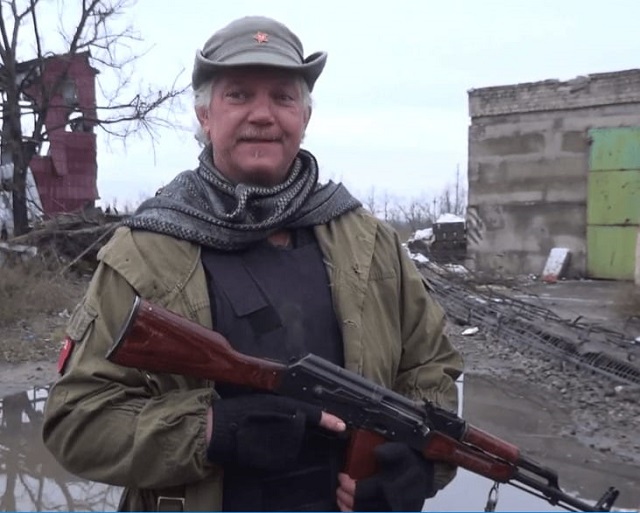
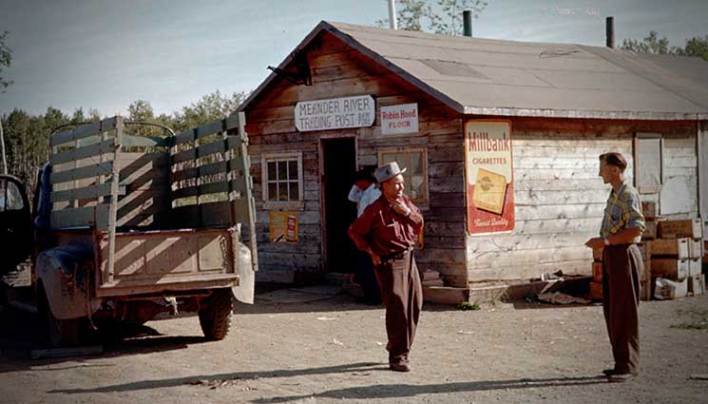


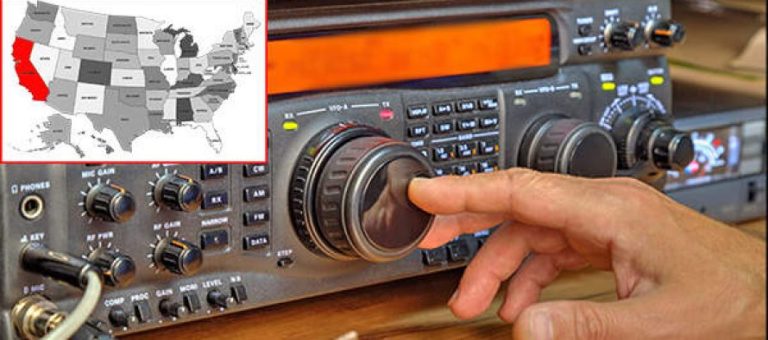












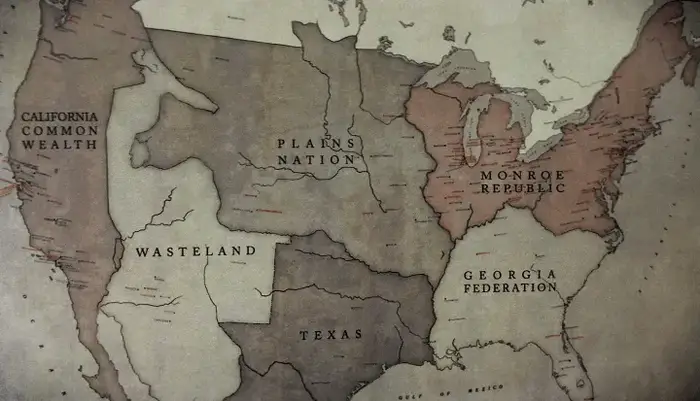
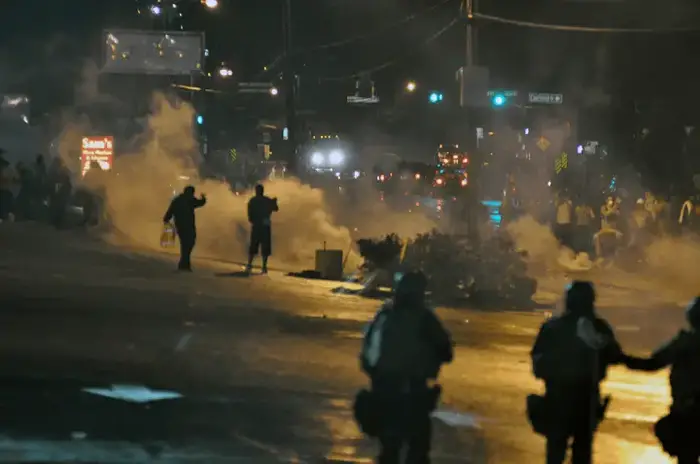
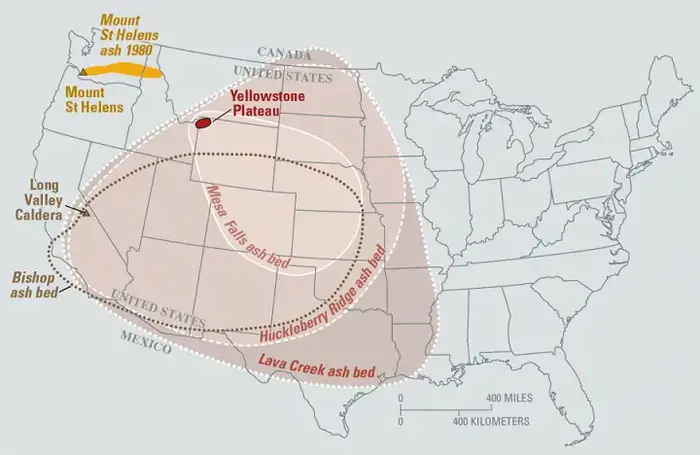


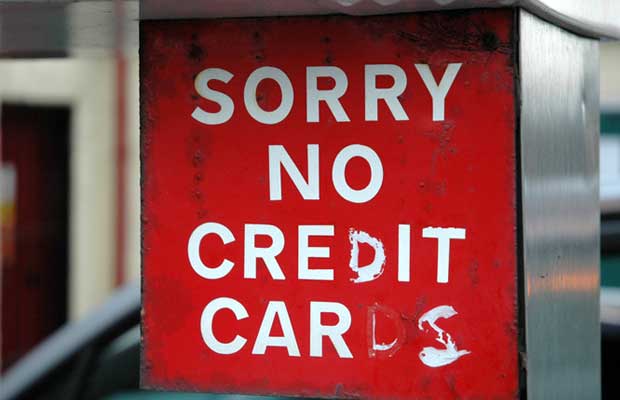

 Ultimate-Survival