The fractals, the repeating structures. The symmetry in time or space. History and the conclusions we draw from it. Mathematics in the price trend. The ignorance towards the history, the price evolution and the experiences of the generations that slowly only belong to our memories. Today’s ignorance of mathematics and its role in the pricing of what we buy every day. The history of the stock market. The prices, their laborious observation, which began in Japan 300 years ago and led to the introduction of derivatives, still foreign to most Europeans. The situation on the stock exchanges, which, as they say, reflects the nearest future in a flash (mainly thanks to the modern algorithms and computerized HFT trading) and only reacts to the coming(!) events now…
Consider the history of the last years and the current situation.
The Fed has been playing into the hands of Wall Street billionaires for years: every time there was a 20% or so drop in stock prices, the helicopter money came in the form of dollars to rescue the assets. This magic 20% of the free fall from all-time highs was supposed to mean the beginning of a bear market for most analysts and economists. If there was turbulence in the stock market, new shiny measures were immediately announced: bonds were bought, interest rates were lowered, money printed out of thin air was pumped into the veins of the banking system. Why such a violent reaction? 55% of the savings of future U.S. retirees are invested in risky assets like stocks, mainly through the 401(k)* program, which is a tax shield for U.S. citizens. That’s why the FED and the U.S. government need to pay close attention to the stock market. Even Alan Greenspan acknowledged that the level of stock indexes determines the level of the economy, not the other way around. If the American retiree gets a statement from his account every month and sees that he has more and more money, he might buy a new car, a cottage in Florida, or at least afford a trip to Vegas. If this is not the case, the demand in the country where consumption is responsible for the 70% of the GDP decreases and the electorate of the party currently in power is lost.
In fact, however, an average American gained little from the Fed’s mild interest rate policy: although he was able to live lavishly on cheap credit and collect dividends on his retirement account during the last 13 years of the “perpetual” bull market, at the same time his purchasing power sank like the Titanic along with the weakening dollar. The money was and is with the banks, not the people. Trump’s voters get that, and in the future they will probably speak up more with their social demands like the truck drivers in Canada did a few months ago. Apropos of the U.S. lower and middle classes, who supposedly could do nothing but increase consumption with their transfers of over $1200 per capita per month created out of thin air during the Corona crisis: the average Mr. Schmidt from Kentucky and Arizona, if he was smart enough, shunned cash, didn’t spend it all, invested in stocks, REITs (Real Estate Investment Trust), corporate bonds and other risky assets like cryptocurrencies, even if not consciously and personally, then passively and unconsciously as a contributing member of the pension funds that did it for him. The bubble in the market thus grew to proportions never seen before.
Now, at the moment of writing, the biggest bubble, Nasdaq, is down 30% from its all-time highs, which, by the way, we have warned about several times in our bulletins. Not a peep is heard from Powell on the subject of easing monetary policy. What a turnaround! Investors are now listening only to him, soaking up his words like a sponge, as if they were a coin at face value, hoping that the Fed will loosen its monetary and interest rate policy again after all, in view of the falling stock prices, and guarantee the eternal bull market, but he constantly wants to tighten his monetary policy, unaffected by the circumstances. Why? Perhaps he also sees fractal similarities with the last great crash of 2008, when the crash on Wall Street helped dampen inflation. Just compare the sections from S&P price trends circa 2008 and today, compiled with inflation.
And if you like fractals (marked as rectangles above, marked as swings from highs to lows within months below), the graph also gives you an incentive to rethink. The stock market crash of almost 100 years ago and today’s price development of the US stock market look (too) similar.
The small investors keep buying, the big ones have long since pulled out. U.S. companies are sitting on cash; the Corona era has halted corporate investment. Cash will burn in the future. Will corporations and the small fry put it back into stocks after the coming big reset? Is there really no other choice?
Money plays such an important role in our lives that most of us could not imagine surviving without it. Yet that is exactly what you need to do if you want to prepare for an economic condition called deflation.
Deflation is the term economists use to describe a “general decline in prices, often caused by a reduction in the supply of money or credit.” A good way to think of deflation is as the opposite of inflation. Inflation occurs when there is too much money in circulation, which destroys its value and raises prices. When deflation occurs, there is too little money available, which often causes prices to collapse and the economy to shut down.
In severe cases of deflation there can be no money available at all not — even at the banks. This nightmare actually occurred during the Great Depression of the 1930s, when there were places in the United States where there was no cash available at all. More recently, it has happened in Greece, where ATMs ran out of cash and where banks placed limits on the amount of money that could be withdrawn.
People had no money to pay bills or buy food for their families. Employers had no money to pay employees, customers had no money to buy goods, and many people were reduced to bartering to survive. During the Great Depression, farmers would pay professionals such as mechanics and doctors with food because they had no money and no credit.
The situation got so bad that in some areas of the country, local governments, chambers of commerce and businesses issued their own currencies — the so-called depression scrip. The scrip often took the form of pieces of paper that people used as money because there was no government currency available. The scrip was used to pay workers or buy goods.
At one point during the Great Depression, the money shortage got so severe that the US government considered issuing a national scrip as an alternative to the dollar. That plan was eventually dropped and the government solved the crisis by simply printing more dollars.
IMPORTANT BELOW:
Today I’d like to share with you a “3-second survival hack” you can use to skyrocket your chances of protecting your loved ones during ANY crisis.
Many people have known survivors of the Great Depression who liked to keep large amounts of cash on hand. Others would hoard food and other items. Those people developed that habit because they remembered what life without money was like. The fear of the deflation that occurred in the 1930s haunted them all of their lives.
The frightening reality is that the threat of deflation is still real. Some knowledgeable individuals, such as wealth preservation experts Will and Bill Bonner, believe that a sudden deflation leading to a national or international money shortage is still possible today.
The Bonners, who have studied some of the world’s knowledgeable investors such as George Soros, believe that the next financial crisis will begin with a “violent monetary shock” similar to the one that occurred during the Great Depression. They predict that money could suddenly disappear overnight, causing the economy to come to a grinding halt.
What Happens When Money Vanishes
Historical accounts of the Great Depression show us some of the possible effects of such a violent monetary shock. The damage caused by such a violent deflation can include:
The sudden collapse of prices. The Great Depression began with the collapse of stock market prices in 1929. That was preceded by the collapse of agricultural prices in the United States during the 1920s. During that crisis, land prices in rural areas collapsed, causing large numbers of rural banks to fail. When the banks failed, the government liquidated them and their assets, which included lots of foreclosed farmland, an action that further drove prices and made the crisis worse.
Everything you have — your investments, your home and your possessions — could suddenly lose all of its value. We saw this happen during the mortgage bubble of 2007-2008, when many people found themselves “underwater.” That occurs when the amount a home is mortgaged for exceeds the property’s value.
The collapse in prices during the Great Depression particularly hurt farmers who relied on commodity prices. Newsreels from the early 1930s show farmers dumping grain on the ground and pouring out milk because they could not sell them.
Bank runs and the collapse of financial institutions. A bank run or banking panic occurs when all of a bank’s depositors try to take their money out at once. Bank runs often trigger the collapse of financial institutions, which prompts even more bank runs. Between 1930 and 1933 nearly 10,000 banks failed or were suspended. The panic got so bad that President Franklin D. Roosevelt actually suspended all bank transactions in the US between March 6 and March 10, 1933 to prevent further runs in his so-called “bank holiday.”
During the banking crisis of the 1930s, many Americans lost their life savings simply because they were not able to get to the bank fast enough and withdraw their money. Even some wealthy individuals ended up on the streets and in bread lines because they could not get money from the bank.
Massive unemployment. It is a simple and obvious fact that when there is no money, there are no jobs. At the height of the Great Depression in 1933, 24.75 percent of the nation’s labor force, or one in four workers, were unemployed. Around 12.83 million people were out of work at a time when America’s total population was only around 93 million people. That unemployment persisted for years, with 8.1 million Americans still out of work in 1940 in the 11th year of the Great Depression. The unemployment created by the Depression only ended when World War II created “jobs” in the form of the draft and war production.
Hunger and Starvation. Not surprisingly, hunger and in some cases death from starvation can become a problem after deflation. Historians disagree on the number of people who died during the Great Depression.
Massive expansion of government and its power. In his first 100 days in office in 1933, Roosevelt signed 15 major pieces of legislation, several of which established massive new bureaucracies. During the 1920s there were 553,000 civilian employees of the federal government, but by 1940 the federal government had more than 1 million civilian employees. For the first time in American history, the federal government even tried to set prices for products under the National Recovery Act. The government also told farmers what to grow under the Agricultural Adjustment Act. Those laws were so blatantly unconstitutional that the US Supreme Court struck them down in 1935 and 1936.
Increased taxation. When money disappears government gets desperate and imposes more and taxes in an attempt to squeeze more money out of the economy. During the Depression, the maximum income tax rate was raised from 20 percent to 55 percent, gift taxes were increased from .75 percent to 33.5 percent, and new taxes were levied on automobiles, gasoline, telegrams, telephone calls and even checks. By 1934, the United States had the highest tax rates in the world. In 1935 taxes were raised again. Historian Murray Rothbard estimates that the effective tax rate in the United States increased from 16 percent to 29 percent during the Depression.
Why it Could Be Worse Today
If such an event were to occur in today’s world, it could be far worse than the Great Depression.
People were far more self-sufficient in the 1930s, as large numbers of families lived on farms and grew their own food. Even many Americans who lived in town maintained gardens and chicken coops. In those days people also hunted for meat, canned and preserved their own food and baked their own bread. People also sewed their own clothes and fixed their own cars, which gave them a high level of self-sufficiency.
Today, most Americans rely solely on supermarkets for food, and many families no longer even cook. Few people bother to sew, and most of us do not even change the oil in our cars. If our money were to disappear, we would be as helpless as children.
It’s time that we learn the lessons of the Americans who survived the Great Depression. That lesson was to be as self-sufficient as possible so you can survive, no matter what.
The following article was first published in 2019. We are featuring it here because it provides useful insight, as germane as ever, into how the globalist enemies of Mankind propaganda machine operates.
The Propaganda Multiplier It is one of the most important aspects of our media system, and yet hardly known to the public: most of the international news coverage in Western media is provided by only three global news agencies based in New York, London and Paris.
The key role played by these agencies means Western media often report on the same topics, even using the same wording. In addition, governments, military and intelligence services use these global news agencies as multipliers to spread their messages around the world.
A study of the Syria war coverage by nine leading European newspapers clearly illustrates these issues: 78% of all articles were based in whole or in part on agency reports, yet 0% on investigative research. Moreover, 82% of all opinion pieces and interviews were in favor of a US and NATO intervention, while propaganda was attributed exclusively to the opposite side.
How Global News Agencies and Western Media Report on Geopolitics
“Therefore, you always have to ask yourself: Why do I get this specific information, in this specific form, at this specific moment? Ultimately, these are always questions about power.”
Introduction: “Something strange”
“How does the newspaper know what it knows?” The answer to this question is likely to surprise some newspaper readers: “The main source of information is stories from news agencies. The almost anonymously operating news agencies are in a way the key to world events. So what are the names of these agencies, how do they work and who finances them? To judge how well one is informed about events in East and West, one should know the answers to these questions.” (Höhne 1977, p. 11)
A Swiss media researcher points out: “The news agencies are the most important suppliers of material to mass media. No daily media outlet can manage without them. () So the news agencies influence our image of the world; above all, we get to know what they have selected.” (Blum 1995, p. 9)
In view of their essential importance, it is all the more astonishing that these agencies are hardly known to the public: “A large part of society is unaware that news agencies exist at all … In fact, they play an enormously important role in the media market. But despite this great importance, little attention has been paid to them in the past.” (Schulten-Jaspers 2013, p. 13)
Even the head of a news agency noted: “There is something strange about news agencies. They are little known to the public. Unlike a newspaper, their activity is not so much in the spotlight, yet they can always be found at the source of the story.” (Segbers 2007, p. 9)
“The Invisible Nerve Center of the Media System”
So what are the names of these agencies that are “always at the source of the story”? There are now only three global news agencies left:
The American Associated Press (AP) with over 4000 employees worldwide. The AP belongs to US media companies and has its main editorial office in New York. AP news is used by around 12,000 international media outlets, reaching more than half of the world’s population every day.
The quasi-governmental French Agence France-Presse (AFP) based in Paris and with around 4000 employees. The AFP sends over 3000 stories and photos every day to media all over the world.
The British agency Reuters in London, which is privately owned and employs just over 3000 people. Reuters was acquired in 2008 by Canadian media entrepreneur Thomson – one of the 25 richest people in the world – and merged into Thomson Reuters, headquartered in New York.
In addition, many countries run their own news agencies. These include, for instance, the German DPA, the Austrian APA, and the Swiss SDA. When it comes to international news, however, national agencies usually rely on the three global agencies and simply copy and translate their reports.
Figure 1: The three global news agencies Reuters, AFP and AP, and the three national agencies of the German-speaking countries of Austria (APA), Germany (DPA) and Switzerland (SDA).
Wolfgang Vyslozil, former managing director of the Austrian APA, described the key role of news agencies with these words: “News agencies are rarely in the public eye. Yet they are one of the most influential and at the same time one of the least known media types. They are key institutions of substantial importance to any media system. They are the invisible nerve center that connects all parts of this system.” (Segbers 2007, p.10)
Small abbreviation, great effect
However, there is a simple reason why the global agencies, despite their importance, are virtually unknown to the general public. To quote a Swiss media professor: “Radio and television usually do not name their sources, and only specialists can decipher references in magazines.” (Blum 1995, P. 9)
The motive for this discretion, however, should be clear: news outlets are not particularly keen to let readers know that they haven’t researched most of their contributions themselves.
The following figure shows some examples of source tagging in popular European newspapers. Next to the agency abbreviations we find the initials of editors who have edited the respective agency report.
Figure 2: News agencies as sources in newspaper articles
Occasionally, newspapers use agency material but do not label it at all. A study in 2011 from the Swiss Research Institute for the Public Sphere and Society at the University of Zurich came to the following conclusions (FOEG 2011):
“Agency contributions are exploited integrally without labeling them, or they are partially rewritten to make them appear as an editorial contribution. In addition, there is a practice of ‘spicing up’ agency reports with little effort: for example, unpublished agency reports are enriched with images and graphics and presented as comprehensive articles.”
Important below:
Today I’d like to share with you a “3-second survival hack” you can use to skyrocket your chances of protecting your loved ones during ANY crisis.
The agencies play a prominent role not only in the press, but also in private and public broadcasting. This is confirmed by Volker Braeutigam, who worked for the German state broadcaster ARD for ten years and views the dominance of these agencies critically:
“One fundamental problem is that the newsroom at ARD sources its information mainly from three sources: the news agencies DPA/AP, Reuters and AFP: one German/American, one British and one French. () The editor working on a news topic only needs to select a few text passages on the screen that he considers essential, rearrange them and glue them together with a few flourishes.”
Swiss Radio and Television (SRF), too, largely bases itself on reports from these agencies. Asked by viewers why a peace march in Ukraine was not reported, the editors said: “To date, we have not received a single report of this march from the independent agencies Reuters, AP and AFP.”
In fact, not only the text, but also the images, sound and video recordings that we encounter in our media every day, are mostly from the very same agencies. What the uninitiated audience might think of as contributions from their local newspaper or TV station, are actually copied reports from New York, London and Paris.
Some media have even gone a step further and have, for lack of resources, outsourced their entire foreign editorial office to an agency. Moreover, it is well known that many news portals on the internet mostly publish agency reports (see e.g., Paterson 2007, Johnston 2011, MacGregor 2013).
In the end, this dependency on the global agencies creates a striking similarity in international reporting: from Vienna to Washington, our media often report the same topics, using many of the same phrases – a phenomenon that would otherwise rather be associated with »controlled media« in authoritarian states.
The following graphic shows some examples from German and international publications. As you can see, despite the claimed objectivity, a slight (geo-)political bias sometimes creeps in.
Figure 3: “Putin threatens”, “Iran provokes”, “NATO concerned”, “Assad stronghold”: Similarities in content and wording due to reports by global news agencies.
The role of correspondents
Much of our media does not have own foreign correspondents, so they have no choice but to rely completely on global agencies for foreign news. But what about the big daily newspapers and TV stations that have their own international correspondents? In German-speaking countries, for example, these include newspapers such NZZ, FAZ, Sueddeutsche Zeitung, Welt, and public broadcasters.
First of all, the size ratios should be kept in mind: while the global agencies have several thousand employees worldwide, even the Swiss newspaper NZZ, known for its international reporting, maintains only 35 foreign correspondents (including their business correspondents). In huge countries such as China or India, only one correspondent is stationed; all of South America is covered by only two journalists, while in even larger Africa no-one is on the ground permanently.
Moreover, in war zones, correspondents rarely venture out. On the Syria war, for example, many journalists “reported” from cities such as Istanbul, Beirut, Cairo or even from Cyprus. In addition, many journalists lack the language skills to understand local people and media.
How do correspondents under such circumstances know what the “news” is in their region of the world? The main answer is once again: from global agencies. The Dutch Middle East correspondent Joris Luyendijk has impressively described how correspondents work and how they depend on the world agencies in his book “People Like Us: Misrepresenting the Middle East”:
“I had imagined correspondents to be historians-of-the-moment. When something important happened, they would go after it, find out what was going on, and report on it. But I didn’t go off to find out what was going on; that had been done long before. I went along to present an on-the-spot report.
The editors in the Netherlands called when something happened, they faxed or emailed the press releases, and I’d retell them in my own words on the radio, or rework them into an article for the newspaper. This was the reason my editors found it more important that I could be reached in the place itself than that I knew what was going on. The news agencies provided enough information for you to be able to write or talk your way through any crisis or summit meeting.
That’s why you often come across the same images and stories if you leaf through a few different newspapers or click the news channels.
Our men and women in London, Paris, Berlin and Washington bureaus – all thought that wrong topics were dominating the news and that we were following the standards of the news agencies too slavishly.
The common idea about correspondents is that they ‘have the story’, () but the reality is that the news is a conveyor belt in a bread factory. The correspondents stand at the end of the conveyor belt, pretending we’ve baked that white loaf ourselves, while in fact all we’ve done is put it in its wrapping.
Afterwards, a friend asked me how I’d managed to answer all the questions during those cross-talks, every hour and without hesitation. When I told him that, like on the TV-news, you knew all the questions in advance, his e-mailed response came packed with expletives. My friend had relalized that, for decades, what he’d been watching and listening to on the news was pure theatre.” (Luyendjik 2009, p. 20-22, 76, 189)
In other words, the typical correspondent is in general not able to do independent research, but rather deals with and reinforces those topics that are already prescribed by the news agencies – the notorious “mainstream effect”.
In addition, for cost-saving reasons many media outlets nowadays have to share their few foreign correspondents, and within individual media groups, foreign reports are often used by several publications – none of which contributes to diversity in reporting.
“What the agency does not report, does not take place”
The central role of news agencies also explains why, in geopolitical conflicts, most media use the same original sources. In the Syrian war, for example, the “Syrian Observatory for Human Rights” – a dubious one-man organization based in London – featured prominently. The media rarely inquired directly at this “Observatory”, as its operator was in fact difficult to reach, even for journalists.
Rather, the “Observatory” delivered its stories to global agencies, which then forwarded them to thousands of media outlets, which in turn “informed” hundreds of millions of readers and viewers worldwide. The reason why the agencies, of all places, referred to this strange “Observatory” in their reporting – and who really financed it – is a question that was rarely asked.
The former chief editor of the German news agency DPA, Manfred Steffens, therefore states in his book “The Business of News”:
“A news story does not become more correct simply because one is able to provide a source for it. It is indeed rather questionable to trust a news story more just because a source is cited. () Behind the protective shield such a ‘source’ means for a story, some people are inclined to spread rather adventurous things, even if they themselves have legitimate doubts about their correctness; the responsibility, at least morally, can always be attributed to the cited source.” (Steffens 1969, p. 106)
Dependence on global agencies is also a major reason why media coverage of geopolitical conflicts is often superficial and erratic, while historic relationships and background are fragmented or altogether absent. As put by Steffens: “News agencies receive their impulses almost exclusively from current events and are therefore by their very nature ahistoric. They are reluctant to add any more context than is strictly required.” (Steffens 1969, p. 32)
Finally, the dominance of global agencies explains why certain geopolitical issues and events – which often do not fit very well into the US/NATO narrative or are too “unimportant” – are not mentioned in our media at all: if the agencies do not report on something, then most Western media will not be aware of it. As pointed out on the occasion of the 50th anniversary of the German DPA: “What the agency does not report, does not take place.” (Wilke 2000, p. 1)
“Adding questionable stories”
While some topics do not appear at all in our media, other topics are very prominent – even though they shouldn’t actually be: “Often the mass media do not report on reality, but on a constructed or staged reality. () Several studies have shown that the mass media are predominantly determined by PR activities and that passive, receptive attitudes outweigh active-researching ones.” (Blum 1995, p. 16)
In fact, due to the rather low journalistic performance of our media and their high dependence on a few news agencies, it is easy for interested parties to spread propaganda and disinformation in a supposedly respectable format to a worldwide audience. DPA editor Steffens warned of this danger:
“The critical sense gets more lulled the more respected the news agency or newspaper is. Someone who wants to introduce a questionable story into the world press only needs to try to put his story in a reasonably reputable agency, to be sure that it then appears a little later in the others. Sometimes it happens that a hoax passes from agency to agency and becomes ever more credible.” (Steffens 1969, p. 234)
Among the most active actors in “injecting” questionable geopolitical news are the military and defense ministries. For example, in 2009 the head of the American news agency AP, Tom Curley, made public that the Pentagon employs more than 27,000 PR specialists who, with a budget of nearly $ 5 billion a year, are working the media and circulating targeted manipulations. In addition, high-ranking US generals had threatened that they would “ruin” him and the AP if the journalists reported too critically on the US military.
Despite – or because of? – such threats our media regularly publish dubious stories sourced to some unnamed “informants” from “US defense circles”.
Ulrich Tilgner, a veteran Middle East correspondent for German and Swiss television, warned in 2003, shortly after the Iraq war, of acts of deception by the military and the role played by the media:
“With the help of the media, the military determine the public perception and use it for their plans. They manage to stir expectations and spread deceptive scenarios. In this new kind of war, the PR strategists of the US administration fulfill a similar function as the bomber pilots. The special departments for public relations in the Pentagon and in the secret services have become combatants in the information war.
For their deception maneuvers, the US military specifically uses the lack of transparency in media coverage. The way they spread information, which is then picked up and distributed by newspapers and broadcasters, makes it impossible for readers, listeners or viewers to trace the original source. Thus, the audience will fail to recognize the actual intention of the military.” (Tilgner 2003, p. 132)
What is known to the US military, would not be foreign to US intelligence services. In a remarkable report by British Channel 4, former CIA officials and a Reuters correspondent spoke candidly about the systematic dissemination of propaganda and misinformation in reporting on geopolitical conflicts:
Former CIA officer and whistleblower John Stockwell said of his work in the Angolan war: “The basic theme was to make it look like an [enemy] aggression. So any kind of story that you could write and get into the media anywhere in the world, that pushed that line, we did. One third of my staff in this task force were propagandists, whose professional career job was to make up stories and finding ways of getting them into the press. () The editors in most Western newspapers are not too skeptical of messages that conform to general views and prejudices. () So we came up with another story, and it was kept going for weeks. () But it was all fiction.”
Fred Bridgland looked back on his work as a war correspondent for the Reuters agency: “We based our reports on official communications. It was not until years later that I learned that a little CIA disinformation expert had sat in the US embassy and had composed these communiqués that bore absolutely no relationship at all to truth. () Basically, and to put it very crudely, you can publish any old crap and it will get into the newspaper.”
And former CIA analyst David MacMichael described his work in the Contra War in Nicaragua with these words: “They said our intelligence of Nicaragua was so good that we could even register when someone flushed a toilet. But I had the feeling that the stories we were giving to the press came straight out of the toilet.” (Hird 1985)
Of course, the intelligence services also have a large number of direct contacts in our media, which can be “leaked” information to if necessary. But without the central role of the global news agencies, the worldwide synchronization of propaganda and disinformation would never be so efficient.
Through this “propaganda multiplier”, dubious stories from PR experts working for governments, military and intelligence services reach the general public more or less unchecked and unfiltered. The journalists refer to the news agencies and the news agencies refer to their sources. Although they often attempt to point out uncertainties (and hedge themselves) with terms such as “apparent”, “alleged” and the like – by then the rumor has long been spread to the world and its effect has taken place.
During a SHTF situation, pain could become an annoyance for some, but unbearable for others.
If doctors are scarce and medicine becomes even scarcer, this one little weed, found all over North America and similar to morphine, could be a saving grace.
Figure 4: The Propaganda Multiplier: Governments, military and intelligence services using global news agencies to disseminate their messages to a worldwide audience.
As the New York Times reported …
In addition to global news agencies, there is another source that is often used by media outlets around the world to report on geopolitical conflicts, namely the major publications in Great Britain and the US.
News outlets like the New York Times or the BBC may have up to 100 foreign correspondents and additional external employees. However, as Middle East correspondent Luyendijk points out:
“Our news teams, me included, fed on the selection of news made by quality media like CNN, the BBC, and the New York Times. We did that on the assumption that their correspondents understood the Arab world and commanded a view of it – but many of them turned out not to speak Arabic, or at least not enough to be able to have a conversation in it or to follow the local media. Many of the top dogs at CNN, the BBC, the Independent, the Guardian, the New Yorker, and the NYT were more often than not dependent on assistants and translators.” (Luyendijk p. 47)
In addition, the sources of these media outlets are often not easy to verify (“military circles”, “anonymous government officials”, “intelligence officials” and the like) and can therefore also be used for the dissemination of propaganda. In any case, the widespread orientation towards the major Anglo-Saxon publications leads to a further convergence in the geopolitical coverage in our media.
The following figure shows some examples of such citation based on the Syria coverage of the largest daily newspaper in Switzerland, Tages-Anzeiger. The articles are all from the first days of October 2015, when Russia for the first time intervened directly in the Syrian war (US/UK sources are highlighted):
Figure 5: Frequent citation of major British and US media, exemplified by the Syria war coverage of Swiss daily newspaper Tages-Anzeiger in October 2015.
The desired narrative
But why do journalists in our media not simply try to research and report independently of the global agencies and the Anglo-Saxon media? Middle East correspondent Luyendijk describes his experiences:
“You might suggest that I should have looked for sources I could trust. I did try, but whenever I wanted to write a story without using news agencies, the main Anglo-Saxon media, or talking heads, it fell apart. () Obviously I, as a correspondent, could tell very different stories about one and the same situation. But the media could only present one of them, and often enough, that was exactly the story that confirmed the prevailing image.” (Luyendijk p.54ff)
Media researcher Noam Chomsky has described this effect in his essay “What makes the mainstream media mainstream” as follows: “If you get off line, if you’re producing stories that the big press doesn’t like, you’ll hear about it pretty soon. () So there are a lot of ways in which power plays can drive you right back into line if you move out. If you try to break the mold, you’re not going to last long. That framework works pretty well, and it is understandable that it is just a reflection of obvious power structures.” (Chomsky 1997)
Nevertheless, some of the leading journalists continue to believe that nobody can tell them what to write. How does this add up? Media researcher Chomsky clarifies the apparent contradiction:
“[T]he point is that they wouldn’t be there unless they had already demonstrated that nobody has to tell them what to write because they are going say the right thing. If they had started off at the Metro desk, or something, and had pursued the wrong kind of stories, they never would have made it to the positions where they can now say anything they like. The same is mostly true of university faculty in the more ideological disciplines. They have been through the socialization system.” (Chomsky 1997)
Ultimately, this “socialization system” leads to a journalism that no longer independently researches and critically reports on geopolitical conflicts (and some other topics), but seeks to consolidate the desired narrative through appropriate editorials, commentary, and interviews.
Conclusion: The “First Law of Journalism”
Former AP journalist Herbert Altschull called it the First Law of Journalism: “In all press systems, the news media are instruments of those who exercise political and economic power. Newspapers, periodicals, radio and television stations do not act independently, although they have the possibility of independent exercise of power.” (Altschull 1984/1995, p. 298)
In that sense, it is logical that our traditional media – which are predominantly financed by advertising or the state – represent the geopolitical interests of the transatlantic alliance, given that both the advertising corporations as well as the states themselves are dependent on the transatlantic economic and security architecture led by the United States.
In addition, the key people of our leading media are – in the spirit of Chomsky’s “socialization system” – often themselves part of transatlantic elite networks. Some of the most important institutions in this regard include the US Council on Foreign Relations (CFR), the Bilderberg Group, and the Trilateral Commission, all of which feature many prominent journalists.
Most well-known publications, therefore, may indeed be seen as a kind of “establishment media”. This is because, in the past, the freedom of the press was rather theoretical, given significant entry barriers such as broadcasting licenses, frequency slots, requirements for financing and technical infrastructure, limited sales channels, dependence on advertising, and other restrictions.
It was only due to the Internet that Altschull’s First Law has been broken to some extent. Thus, in recent years a high-quality, reader-funded journalism has emerged, often outperforming traditional media in terms of critical reporting. Some of these “alternative” publications already reach a very large audience, showing that the “mass” does not have to be a problem for the quality of a media outlet.
Nevertheless, up to now the traditional media has been able to attract a solid majority of online visitors, too. This, in turn, is closely linked to the hidden role of news agencies, whose up-to-the-minute reports form the backbone of most online news sites.
Will “political and economic power”, according to Altschull’s Law, retain control over the news, or will “uncontrolled news” change the political and economic power structure? The coming years will show.
Case study: Syria war coverage
As part of a case study, the Syria war coverage of nine leading daily newspapers from Germany, Austria and Switzerland were examined for plurality of viewpoints and reliance on news agencies. The following newspapers were selected:
For Germany: Die Welt, Süddeutsche Zeitung (SZ), and Frankfurter Allgemeine Zeitung (FAZ)
For Switzerland: Neue Zürcher Zeitung (NZZ), Tagesanzeiger (TA), and Basler Zeitung (BaZ)
For Austria: Standard, Kurier, and Die Presse
The investigation period was defined as October 1 to 15, 2015, i.e. the first two weeks after Russia’s direct intervention in the Syrian conflict. The entire print and online coverage of these newspapers was taken into account. Any Sunday editions were not taken into account, as not all of the newspapers examined have such. In total, 381 newspaper articles met the stated criteria.
In a first step, the articles were classified according to their properties into the following groups:
Agencies: Reports from news agencies (with agency code)
Mixed: Simple reports (with author names) that are based in whole or in part on agency reports
Reports: Editorial background reports and analyses
Opinions/Comments: Opinions and guest comments
Interviews: Interviews with experts, politicians etc.
Investigative: Investigative research that reveals new information or context
The following Figure 1 shows the composition of the articles for the nine newspapers analyzed in total. As can be seen, 55% of articles were news agency reports; 23% editorial reports based on agency material; 9% background reports; 10% opinions and guest comments; 2% interviews; and 0% based on investigative research.
Figure 1: Types of articles (total; n=381)
The pure agency texts – from short notices to the detailed reports – were mostly on the Internet pages of the daily newspapers: on the one hand, the pressure for breaking news is higher than in the printed edition, on the other hand, there are no space restrictions. Most other types of articles were found in both the online and printed editions; some exclusive interviews and background reports were found only in the printed editions. All items were collected only once for the investigation.
The following Figure 2 shows the same classification on a per newspaper basis. During the observation period (two weeks), most newspapers published between 40 and 50 articles on the Syrian conflict (print and online). In the German newspaper Die Welt there were more (58), in the Basler Zeitung and the Austrian Kurier, however, significantly less (29 or 33).
Depending on which newspaper, the share of agency reports is almost 50% (Welt, Süddeutsche, NZZ, Basler Zeitung), just under 60% (FAZ, Tagesanzeiger), and 60 to 70% (Presse, Standard, Kurier). Together with the agency-based reports, the proportion in most newspapers is between approx. 70% and 80%. These proportions are consistent with previous media studies (e.g., Blum 1995, Johnston 2011, MacGregor 2013, Paterson 2007).
In the background reports, the Swiss newspapers were leading (five to six pieces), followed by Welt, Süddeutsche and Standard (four each) and the other newspapers (one to three). The background reports and analyzes were in particular devoted to the situation and development in the Middle East, as well as to the motives and interests of individual actors (for example Russia, Turkey, the Islamic State).
However, most of the commentaries were to be found in the German newspapers (seven comments each), followed by Standard (five), NZZ and Tagesanzeiger (four each). Basler Zeitung did not publish any commentaries during the observation period, but two interviews. Other interviews were conducted by Standard (three) and Kurier and Presse (one each). Investigative research, however, could not be found in any of the newspapers.
In particular, in the case of the three German newspapers, a journalistically problematic blending of opinion pieces and reports was noted. Reports contained strong expressions of opinion even though they were not marked as commentary. The present study was in any case based on the article labeling by the newspaper.
Figure 2: Types of articles per newspaper
The following Figure 3 shows the breakdown of agency stories (by agency abbreviation) for each news agency, in total and per country. The 211 agency reports carried a total of 277 agency codes (a story may consist of material from more than one agency). In total, 24% of agency reports came from the AFP; about 20% each by the DPA, APA and Reuters; 9% of the SDA; 6% of the AP; and 11% were unknown (no labeling or blanket term “agencies”).
In Germany, the DPA, AFP and Reuters each have a share of about one third of the news stories. In Switzerland, the SDA and the AFP are in the lead, and in Austria, the APA and Reuters.
In fact, the shares of the global agencies AFP, AP and Reuters are likely to be even higher, as the Swiss SDA and the Austrian APA obtain their international reports mainly from the global agencies and the German DPA cooperates closely with the American AP.
It should also be noted that, for historical reasons, the global agencies are represented differently in different regions of the world. For events in Asia, Ukraine or Africa, the share of each agency will therefore be different than from events in the Middle East.
Figure 3: Share of news agencies, total (n=277) and per country
In the next step, central statements were used to rate the orientation of editorial opinions (28), guest comments (10) and interview partners (7) (a total of 45 articles). As Figure 4 shows, 82% of the contributions were generally US/NATO friendly, 16% neutral or balanced, and 2% predominantly US/NATO critical.
The only predominantly US/NATO-critical contribution was an op-ed in the Austrian Standard on October 2, 2015, titled: “The strategy of regime change has failed. A distinction between ‘good’ and ‘bad’ terrorist groups in Syria makes the Western policy untrustworthy.”
Figure 4: Orientation of editorial opinions, guest comments, and interviewees (total; n=45).
The following Figure 5 shows the orientation of the contributions, guest comments and interviewees, in turn broken down by individual newspapers. As can be seen, Welt, Süddeutsche Zeitung, NZZ, Zürcher Tagesanzeiger and the Austrian newspaper Kurier presented exclusively US/NATO-friendly opinion and guest contributions; this goes for FAZ too, with the exception of one neutral/balanced contribution. The Standard brought four US/NATO friendly, three balanced/neutral, as well as the already mentioned US/NATO critical opinion contributions.
Presse was the only one of the examined newspapers to predominantly publish neutral/balanced opinions and guest contributions. The Basler Zeitung published one US/NATO-friendly and one balanced contribution. Shortly after the observation period (October 16, 2015), Basler Zeitung also published an interview with the President of the Russian Parliament. This would of course have been counted as a contribution critical of the US/NATO.
Figure 5: Basic orientation of opinion pieces and interviewees per newspaper
In a further analysis, a full-text keyword search for “propaganda” (and word combinations thereof) was used to investigate in which cases the newspapers themselves identified propaganda in one of the two geopolitical conflict sides, USA/NATO or Russia (the participant “IS/ISIS” was not considered). In total, twenty such cases were identified. Figure 6 shows the result: in 85% of the cases, propaganda was identified on the Russian side of the conflict, in 15% the identification was neutral or unstated, and in 0% of the cases propaganda was identified on the USA/NATO side of the conflict.
It should be noted that about half of the cases (nine) were in the Swiss NZZ, which spoke of Russian propaganda quite frequently (“Kremlin propaganda”, “Moscow propaganda machine”, “propaganda stories”, “Russian propaganda apparatus” etc.), followed by German FAZ (three), Welt and Süddeutsche Zeitung (two each) and the Austrian newspaper Kurier (one). The other newspapers did not mention propaganda, or only in a neutral context (or in the context of IS).
Figure 6: Attribution of propaganda to conflict parties (total; n=20).
Conclusion
In this case study, the geopolitical coverage in nine leading European newspapers was examined for diversity and journalistic performance using the example of the Syrian war.
The results confirm the high dependence on the global news agencies (63 to 90%, excluding commentaries and interviews) and the lack of own investigative research, as well as the rather biased commenting on events in favor of the US/NATO side (82% positive; 2% negative), whose stories were not checked by the newspapers for any propaganda.
It sounds like something out of a Cold War era movie. Boxes of medical supplies stacked high in government warehouses to help citizens in the event of a public health emergency.
However, this huge stockpile is very real. It is called the Strategic National Stockpile, and “Once Federal and local authorities agree that the SNS is needed, medicines will be delivered to any state in the U.S. in time for them to be effective. Each state has plans to receive and distribute SNS medicine and medical supplies to local communities as quickly as possible.”
For security reasons, the location and the number of warehouses that comprise the SNS are classified information – as is much of what is in them. “If everybody knows exactly what we have, then you know exactly what you can do to us that we can’t fix,” Greg Burel, director of the program told National Public Radio in a recent interview. “And we just don’t want that to happen.”
The SNS started in 1999 with an approximate $50 million budget. Since then, it has built an inventory in multiple warehouses that is valued at just over $7 billion. “If you envision, say, a Super Walmart and stick two of those side by side and take out all the drop ceiling, that’s about the same kind of space that we would occupy in one of these storage locations,” Burel said.
The SNS extensive inventory includes massive amounts of small pox vaccines, antivirals in case of deadly flu pandemic, medicines to treat radiation burns and sickness, chemical agent antidotes, wound care supplies, antibiotics and IV fluids.
NPR science writer Nell Greenfieldboyce recently visited an SNS. She was told she was the first reporter ever to visit the secret warehouses, and she had to sign a confidentiality agreement not to describe the location or the exterior of the facility.
A locked section of the warehouse stocks painkillers than can be addictive. A giant freezer is filled with medicines that need to be kept frozen. Greenfieldboyce described a humming sound that comes from the rows of ventilators that are charged once a month and sent out for maintenance once a year.
With an annual budget of more than half a billion dollars, the SNS is charged with deciding what to purchase for the stockpile. In order to do so, officials must determine which threats are realistic and which are not.
“That’s where we have a huge, complex bureaucracy trying to sort through that,” Irwin Redlener, director of the National Center for Disaster Preparedness at Columbia University, told Greenfieldboyce.
The government recently hired a firm called Gryphon Scientific to analyze how well the stockpile could respond to a range of health disaster scenarios.
Although he said he could not be specific on results of the study, Gryphon Scientific’s Rocco Casagrande told the NPR reporter, “One thing we can say is that across the variety of threats that we examined, the Strategic National Stockpile has the adequate amount of materials in it and by and large the right type of thing.”
However, he pointed out that the studies were based upon a single type of attack at a time or a single type of weapon.
The brief shelf life of some of the newer medicines is a problem for the SNS. “These are often very powerful, very exciting and useful new medicines, but they are also very expensive and they expire after a couple years,” explained Dr. Tara O’Toole, a former Homeland Security official who is now at In-Q-Tel, a nonprofit that helps bring technological innovation to the U. S. intelligence community.
Another problem is the time it would take to get the medicines from the warehouses to the people who need them in the event of real emergency. “It is not going to be easy or simple to put medicines in the hand of everybody who wants it,” O’Toole told NPR.
The warehouse Greenfieldboyce visited contains 130 shipping containers, but who will be on the receiving end of these shipping containers during an actual emergency?
“While they do have plans for emergencies, and lists of volunteers, they’re volunteers,” said Paul Petersen, director of emergency preparedness for Tennessee. “And they’re not guaranteed to show up in the time of need.”
Local public health officials have had severe budget cuts and are underfunded, Petersen told NPR. “Over and over, I heard worries about this part of the stockpile system.”
O’Toole said, “We have drastically decreased the level of state public health resources in the last decade. We’ve lost 50,000 state and local health officials. That’s a huge hit.” She commented that emergency drills would be helpful, adding, “The notion that this is all going to be top down, that the feds are in charge and the feds will deliver, is wrong.”
Meanwhile, the secret warehouses continue to stockpile supplies. “We have the capability, if something bad happens, that we can intervene in a positive way, but then we don’t ever want to have to do that. So it’s kind of a strange place,” Burel told NPR.
“But we would be foolish not to prepare for those events that we could predict might happen.”
Reality on the ground in Ukraine is worlds apart different from US/Western/Kiev infowar rubbish.
An example of the latter is the following from a so-called puppet Zelensky regime official.
Defying reality, he falsely claimed that “(a)lmost the entire 35th All-Russian Army was destroyed (sic).”
The so-called DC-based Institute for the Study of War (ISW) makes similar rubbish claims time and again.
Staffed by US neocon hardliners and former incompetent Pentagon brass, the ISW is a so-called public policy think tank propaganda operation for the empire of lies.
An example of how it turns reality on its head is the following rubbish published on Saturday, falsely claiming:
(Battered, degraded and beaten) “Ukrainian forces are successfully slowing down Russian operations” in Donbass — by nonexistent “counterattacks” and nonexistent “hindering (of) Russian advances (sic).”
And this ISW rubbish:
“Ukrainian forces have enough reinforcements and equipment to conduct further counterattacks and defend their positions (sic).”
And this:
“Russian forces wrongfully believe in their own successes (sic), enabling Ukrainian defenders to inflict high losses against (their) units (sic).”
The ISW features rubbish like the above daily.
No wonder the empire of lies hasn’t won a war since WW II.
Noted military analyst Andrei Martyanov stressed the incompetence of retired US generals David Petraeus and Jack Keane at the ISW, and others like them.
Calling them “talking heads and ignoramuses” on all things related to waging “modern warfare” effectively, their incompetence is in stark contrast to what Russian forces mastered.
Throughout Russia’s SMO, Ukrainian troops have consistently been on their back foot from day-one.
Never once did they successfully counterattack or slow steady Russian advances.
According to a retired US army colonel, nearly two-thirds of Ukrainian frontline troops were killed or wounded in action, an unsustainable casualty rate.
Dominant Russian forces turned occupied parts of Donbass, as well as eastern and southern Ukraine, into a meatgrinder for Kiev Nazified and conscript troops.
It’s just a matter of time before Russia achieves its demilitarization and deNazification of Ukraine objectives.
In the last 24 hours alone, according to Russia’s Defense Ministry:
Its “(t)actical, army and unmanned aviation (forces) struck 54 clusters of Ukrainian troops and military equipment.”
“A total of more than 400 (Nazi thugs) were killed in the aviation strikes.”
Russian warplanes also destroyed 20 Ukrainian tanks and armored vehicles, along with four BM-21 Grad MLR systems, adding:
“High-precision air-launched missiles struck a Ukrainian artillery training center with foreign instructors in the area of the Stetsovka settlement of the Sumy Region.”
High-precision Russian missiles destroyed a foreign mercenary base in the Odessa region.
“In addition, 27 clusters of (Ukrainian) troops and military equipment were hit, two command posts, six depots of missile and artillery weapons, ammunition and fuel” in occupied parts of Donetsk and Lugansk.
All of the above targets were destroyed.
Since Feb. 24, Russian forces eliminated 187 Ukrainian warplanes, 129 helicopters, 1,104 UAVs, 3,406 tanks and armored vehicles, 466 multiple rocket launcher systems, 328 air defense systems, 1,769 field artillery guns and mortars, as well as 3,405 special military vehicles.
As more US/Western weapons et al pour into Ukraine, Russian forces continue to spot, target and destroy them.
Separately, Russia’s Defense Ministry explained the following:
With Britain’s BoJo regime support, Kiev made “morale-boosting” videos for home front viewing.
Concealing disaster on the ground for its forces, they pretend to show their effectiveness — in stark contrast to how they’ve been battered, degraded and beaten.
They also repeat thoroughly debunked claims about nonexistent Russian targeting of civilians — a longstanding US/NATO specialty, mimicked by Ukrainian Nazis and conscript troops.
Virtually daily, they shell Donbass residential areas with artillery, missiles, mortar and rocket fire — with killing civilians and destroying vital infrastructure in mind.
According to the Donetsk News Agency:
“Ukrainian forces fired more than 320 shells on the DPR on Friday.”
“Chaotic bombing of towns and cities in the DPR continues.”
“The enemy used Grad and Smerch MLRS, artillery and mortars to target Donetsk, Makeyevka, Yasinovataya, Gorlovka and many more neighbouring townships.”
“The Russia-led coalition is advancing towards Svyatogorsk in the northern DPR.”
“Two townships in the area have been liberated, Yarovaya and Schyurovo.”
“One (civilian) was killed in Gorlovka, five people injured.”
“Thirteen houses and a common parking space sustained damage.”
“An adult and a child were killed in Mariupol by an unexploded ordnance blast at a city beach.”
“Another civilian was killed in Vladimirovka, outside Volnovakha, one person injured.”
“Four civilians were injured in Donetsk (city), 11 houses and a kindergarten damaged.”
“In Signalnoye, west of Donetsk, 13 houses and a vehicle were hit by Ukrainian bombing, which left 15,000 customers without power.”
“A(n) (elderly) woman was injured in Yasinovataya, two houses damaged.”
According to DPR Ombudswoman Daria Morozova:
“I forward every appeal we receive to international organizations, such as the UN and the ICRC.”
“I also notify them daily about human rights violations in the territory (from) shelling” of residential areas by Kiev troops.
“I do not receive a proper reaction.”
One-sidedly supporting Nazi-infested Ukraine, they’re indifferent toward long-suffering Donbass residents — including imperial tool, UN secretary general Guterres.
According to the Lugansk media center, “Kiev forces shell(ed) (the republic) 976 times since February 17” — as orchestrated and directed by US-dominated NATO.
Russia’s liberating SMO is proceeding as planned.
While its forces protect civilians and nonmilitary infrastructure, Ukrainian Nazis and conscripts operate in polar opposite fashion — as ordered by their higher power in Washington.
At the same time, Russia is falsely blamed for their crimes of war, against humanity and related atrocities.
And of course, MSM feature state-approved Russia-bashing fake news daily — while suppressing reality on the ground.
The issue of martial law is something that comes up from time to time, usually when we see some sort of governmental overreach, where agents of our government, at whatever level, use heavy-handed actions to stifle the voice of their opposition.
A perfect example of this was when Canadian Prime Minister, Justin Trudeau, ordered the police to dismantle the truckers’ protest. As best I know, they didn’t do anything illegal, unless it is illegal to block bridges and roads in Canada. Even if that is illegal, the actions taken are heavy-handed for the crime, especially since the Prime Minister didn’t even meet with them to hear their grievances.
This is not what martial law is supposed to be. Originally, the term referred to the military taking over from the government, on a temporary basis, for the protection of the people, when the government was unable to meet their prime obligation of protecting the people. But I have never seen it used in that way.
Considering the political divide in our country and how tightly one side is constantly trying to control the narrative, while silencing any opposing voices, I wouldn’t be surprised if we saw martial law enacted at some time in our lives. The only real question is when it’s going to come and how severe it will be when it gets here.
Before anyone tries saying that martial law couldn’t come to the United States, it would do good for us to remember that it already has. While not common, there are incidents when it has been officially implemented. Although it was not officially implemented on a statewide basis during Hurricane Katrina, there were local areas where officials took it upon themselves to implement an unofficial marital law, complete with the confiscation of privately owned firearms.
Preventing such actions is all but impossible, as it would take action by a higher level of government. Before they would consider acting, the situation would have to be investigated and proof would need to be offered that there actually was an active abuse of citizens’ rights. By the time all that could be done and a conclusion reached, things would probably be back to normal, making any such investigation after the fact and not preventative.
Of course, any such invoking of martial law is more likely to take place in the big cities, rather than in smaller communities. Not only that, but as evidenced by how state governors handled COVID and the associated restrictions that were put into place by different states, as well as how long those restrictions remained, it seems more likely that martial law would be implemented in Democrat controlled cities and states than in Republican controlled ones.
By the way, many people were asking questions about why former President Trump didn’t enact any sort of lockdowns at a federal level. That was because he legally couldn’t do so.
The National Defense Authorization Act of 2007 gave the sitting president the authority to declare martial law in times of emergency; but this provision was quickly seen to be unnecessary and overreaching by Congress, who revoked that specific provision the next year. So the likelihood of a nationwide or even statewide martial law is nowhere near as likely as local invoking of it. But what if it was? What could we do then?
Obviously the answer is to be somewhere where martial law was not in effect or if it was officially in effect, it wasn’t as well enforced. Big cities have big city police departments as well as the ability to petition the governor for help from State Police or the National Guard. While small towns technically have the same ability, their mayors don’t have as loud a voice and are much less likely to receive that support from the governor.
Here are the best places to be in such a situation and how to avoid martial law affecting you.
Smaller Communities
As I just alluded to, smaller communities have smaller police forces and are much less likely to receive support from either the State Police or the National Guard. Not only that, but the police and the rest of the government in those communities are much more likely to identify with the townspeople, making them much less likely to implement such orders, even if they did come down from on high.
Oh, they might use it as an excuse to crack down on known troublemakers, but that’s probably about it. Small town police are more likely to help their towns’ citizens break martial law, rather than implementing it.
Out in the Country
Taking that one step further, actually living out in the country reduces the police available to harass you even more. The only law enforcement officers who would have any authority out in the country would be sheriff’s deputies and the state police. In both cases, we’re talking about law enforcement officers who are spread rather thin, with a large territory to cover.
At the same time, these LEOs are going to see much less of a reason to implement martial law then the police in the city would. Theoretically, the declaration of martial law would have to be backed up by some sort of public danger, such as rioting or looting. Those are things that happen in the city, not out in the country. People in the country are usually prepared to defend themselves and LEOs understand that they are.
In the Wilderness
If you happen to be fortunate enough to have a bug out plan that takes you into the wilderness, especially to a prepared survival shelter in the wilderness, this would be a good time to make use of it. Regardless of what’s going on elsewhere, the chances of a Forest Ranger showing up to implement martial law out in the middle of nowhere are somewhere south of zero.
Of course the other advantage of being out in the wilderness is that you will be far away from whatever condition has caused officials to declare martial law. So while you are protecting yourself from government overreach, you’re protecting your family from danger too.
Outside the Area
As I said earlier, there is almost no likelihood of nationwide martial law being declared, because there is no law that gives the president the authority to declare it and there’s nobody else who can either. The rumors of former President Obama signing an executive order allowing him to declare martial law are untrue.
While he did sign the executive order in question, it didn’t include a provision for martial law, but rather talked about the allocation of resources during a national emergency. An almost identical policy has existed since the time of President Truman.
With that being the case, all any of us have to do to get out of localized martial law is to leave the area, perhaps going to a neighboring state. Granted, that would be a bit difficult for an extended period of time, such as to avoid the COVID pandemic lockdowns, but most martial law situations would be much shorter than that, mere weeks at the most.
Neighboring Countries
If you’re having trouble finding a state to go to, where martial law has not been declared, it might be worth considering a visit to our neighboring countries to the north and south. One of my bug out plans for years has been to go to Mexico, where I have many friends.
While anything going on in the United States would probably affect Mexico in some way, it probably wouldn’t be enough to cause martial law to be enacted there. Besides, even if it was, it probably wouldn’t be enacted as thoroughly, leaving openings that could be exploited.
Out on the Water
Finally, all it takes to get out of American legal jurisdiction is to go out in the ocean. International maritime law limits nations’ territorial limits to 12 miles. Once outside that zone, the only ones who have any jurisdiction are the Coast Guard, whose jurisdiction extends to 200 miles off shore.
Of course, that’s assuming they can find you. The ocean is a big place and it’s much harder to find individual boats out on the water than Hollywood would make us believe.
Along with risking global war by its support for Ukrainian Nazis against Russia and its anti-China Taiwan policies, racist Biden regime actions got “(a)t least 21 Black staffers (to leave) the White House since late last year” or intend to leave soon, Politico reported, adding:
“They describe a work environment with little support from their superiors and fewer chances for promotion.”
Things are so unacceptable that a current and former Biden regime official called what’s going on “Blaxit.”
According to the Washington Times weeks earlier:
“(T)op-level staffers (are) bailing out of high-paying, cushy positions in Vice President Kamala Harris’ office.”
“Deputy press secretary Sabrina Singh (quit) to take a job at the” war department.
She was “at least the (10th) key (Harris) official (to quit since last) summer.”
Others departing included:
National security adviser, Nancy McEldowne.
Director of digital strategies, Rajun Kaur.
“Director of advance, Karly Satkowiak.
“Deputy director of advance, Gabrielle DeFranceschi.
Communications director, Ashley Etienne.
Chief spokeswoman, Symone Sanders.
Director of press operations, Peter Velz.
“Deputy director of public engagement, Vince Evans.
Speechwriting director, Kate Childs Graham.
Senior Harris aide, Tina Flournoy.
Public engagement head, Cedric Richmond.
According to Politico, the following Black Biden regime staffers left or intend to leave:
Public engagement aide, Carissa Smith.
Gender policy aide, Kalisha Dessources Figures.
National Security Council senior director, Linda Etim.
Digital engagement director, Cameron Trimble.
Associate counsel, Funmi Olorunnipa Badejo.
Chief of staff, Ron Klain.
Advisers Elizabeth Wilkins and Niyat Mulugheta.
Press assistant, Natalie Austin.
National Economic Council aides Joelle Gamble and Connor Maxwell.
Presidential personnel aides Danielle Okai, Reggie Greer and Rayshawn Dyson.
“Deputy White House counsel, Danielle Conley.
Council of Economic Advisers aide, Saharra Griffin.”
Commenting on “Blaxit,” Joint Center for Political and Economic Studies head, Spencer Overton, was quoted as follows, saying:
“Black voters accounted for 22 percent of Biden’s voters in November 2020.”
“It is essential that Black staffers are not only recruited to serve in senior, mid-level and junior White House positions, but are also included in major policy and personnel decisions and have opportunities for advancement.”
According to Black White House press secretary Karine Jean-Pierre:
The fake Biden “is incredibly proud to have built what continues to be the most diverse White House staff in history (sic).”
He’s “committed to continuing historic representation for Black staff and all communities (sic).”
“Committed” by fallout domestically from waging unparalleled sanctions war on Russia.
Along with Wall Street owned and controlled Fed money printing madness, Biden regime/Western sanctions war on Russia sent US inflation soaring to the highest level in the past 75 years.
Low and middle-income households are harmed most, including millions of Black Americans.
According to a mid-May Quinnipiac University poll, “4 in 5 Americans (80 percent) say (the US economy is) either not so good (34 percent) or poor (46 percent).”
“This is Americans’ most negative description of the state of the nation’s economy in a Quinnipiac University poll since (the fake) Biden took office.”
Asked about how much control the White House has over inflation, two-thirds of respondents (67%) said a lot or some.
They believe recession is “a looming reality” — and they’ll be hit hardest.
The poll found that the fake Biden’s approval rating is 35% overall — 32% on how he’s handling the economy.
Commenting on Biden regime “Blaxit,” two current unnamed Black staffers said the mass-exodus hurt morale, compounding existing problems, adding:
“We’re here, and we’re doing a lot of work, but we’re not decision-makers, and there’s no real path towards becoming decision-makers.”
“There is no real feedback, and there’s no clear path to any kind of promotions.”
A former Black staffer said the following:
“Black folks need some person to go to, to strategize and be a mentor, and we just don’t have as many folks who can be mentors to us.”
A current Black staffer said:
“If there is no clear infrastructure of how to be successful, you become just as invisible in this space (as) you would be if you were not in it.”
Another Black staffer said:
“(I)ssues that are the highest priority for our community are no longer at the forefront of the (regime’s) priority list.”
“When 10 Black people got killed at a grocery store (in Buffalo, NY), it’s business as usual, and no one stops to say to you, ‘Are you okay?’ ”
And this from another Black staffer:
“They gave us a mandate to execute on all the things that we promised and not only are we not delivering on that front, but then we’re not also delivering to the staff that came in on the basis of that promise.”
“People go home to their families or their communities, and what can they point to specifically?”
“They can’t even point to their own experiences as positive.”
Of course, White House discrimination reflects US society overall.
It’s much more than a Black, Brown or other racial issue.
It’s a ruling class issue serving privileged interests at the expense of the vast majority throughout the US/West.
For countless millions of poor, unemployed, underemployed, and neglected people, the US/West is a wasteland of dystopian harshness, deprivation and despair.
In America, it’s in breach of Constitution’s general welfare clause.
Among developed countries, the US ranks last in labor rights, poverty, safety net protections, wealth disparity, overall inequality and economic mobility.
Among 37 OECD nations, the US ranks 35th in terms of poverty and inequality.
The world’s richest country doesn’t give a hoot about the vast majority of its people, just its privileged class.
Warts and all I remember at the time and in hindsight, the country I grew up in long ago is unsafe and unfit to live in for the vast majority of its people today.
Things aren’t improving.
They’ve been worsening for years, especially post-9/11 and since undemocratic Dems usurped power in 2020 by brazen election fraud — followed by installing an unelected imposter in the White House.
Waging forever war at home by kill shots and growing tyranny — along with sanctions and proxy hot war on Russia — made what’s going on today the worst of times, the most perilous time in modern memory.
“It’s just a mask”: Global impact of the face mask folly.
It has been known for decades that face masks don’t work against respiratory virus epidemics. Why has much of the world nonetheless fallen for the face mask folly? Twelve reasons.
1) The droplet model
Many health authorities have relied on the obsolete ‘droplet model’ of virus transmission. If this model were correct, face masks would indeed work. But in reality, respiratory droplets – which by definition cannot be inhaled – play almost no role in virus transmission. Instead, respiratory viruses are transmitted via much smaller aerosols, as well as, possibly, some object surfaces. Face masks don’t work against either of these transmission routes.
2) The Asian paradox
During the first year of the pandemic, several East Asian countries had a very low coronavirus infection rate, and many health experts falsely assumed that this was due to face masks. In reality, it was due to very rapid border controls in some countries neighboring China as well as a combination of metabolic and immunologic factors reducing transmission rates. Nevertheless, many East Asian countries eventually were overwhelmed by the coronavirus, too (see charts below).
3) The Czech mirage
In the spring of 2020, the Czech Republic was one of the first European countries that introduced face masks. Because the Czech infection rate initially stayed low, many health experts falsely concluded that this was due to the masks. In reality, most of Eastern Europe simply missed the first wave of the epidemic. A few months later, the Czech Republic had the highest infection rate in the world, but by then, much of the world had already introduced face mask mandates.
4) Fake science
For decades, studies have shown that face masks don’t work against respiratory virus epidemics. But with the onset of the coronavirus pandemic and increasing political pressure (see below), suddenly studies appeared claiming the opposite. In reality, these studies were a mixture of confounded observational data, unrealistic modelling and lab results, and outright fraud. The most influential fraudulent study certainly was the WHO-commissioned meta-study published in The Lancet.
5) Asymptomatic transmission
Another factor contributing to the implementation of mask mandates was the notion of ‘asymptomatic transmission’. The idea was that everybody should be wearing a mask because even people without symptoms might spread the virus. The importance of asymptomatic and pre-symptomatic transmission is still a matter of debate – up to half of all transmission might occur prior to symptom onset –, but either way, face masks simply don’t work against aerosol transmission.
Several political factors contributed to the implementation of mask mandates. First, some politicians simply wanted to “do something” against the pandemic; second, some politicians thought face masks might have a “psychological effect” and might “remind” citizens to stay cautious (if anything, it had the opposite effect: creating a ‘false sense of security’); third, some politicians used mask mandates to enforce compliance and pressure the population into accepting mass vaccination.
In addition, there was a vicious circle involving science and politics: politicians claimed to “follow the science”, but scientists followed politics. For instance, the WHO admitted that their updated mask guidelines were in response to “political lobbying”, not new evidence. The most influential lobby group was “Masks For All”, founded by a “Young Leader” of the World Economic Forum (WEF).
7) The media
Perhaps unsurprisingly, most of the ‘mass media’ amplified the fraudulent science and the political pressure driving mask mandates. Only some independent media outlets and some truly independent experts questioned the validity of the underlying evidence. However, their voices got suppressed as dubious “fact checking” organizations eagerly enforced official guidelines and throttled or censored many articles and videos critical of face masks.
8) “Surgeons wear masks”
Surgeons wear masks, so they must be effective, right? This was another notion contributing to the face mask misunderstanding. In reality, surgeons wear masks not against viruses, but against much larger bacteria, but more importantly, studies have long shown that even surgeons’ masks make no difference in terms of bacterial wound infections.
9) “Masks suppressed the flu”
“Masks suppressed the flu, so they obviously work.” This was another very common claim in favor of masks. While it is true that the flu (i.e. influenza viruses) disappeared in the spring of 2020 and remained absent throughout the coronavirus pandemic, masks had nothing to do with it.
This is evident as the flu disappeared even in states without masks, lockdowns and school closures – such as Sweden, Florida and Belarus – while the flu hadn’t disappeared during earlier flu epidemics and pandemics, despite widespread mask use (e.g. during the 2019 flu epidemic in Japan).
Instead, influenza viruses disappeared globally because they were temporarily displaced by the more infectious novel coronavirus (so-called viral interference, known from previous pandemics); for the same reason, new coronavirus variants repeatedly displaced existing variants, often within weeks. Indeed, in countries that had reached very high levels of population immunity against the coronavirus, the flu returned by summer 2021 (e.g. in India at 80% population immunity).
10) Misleading memes
To convince low-IQ social media users of the effectiveness of face masks, several unscientific memes were created. The most notorious one probably was the “peeing into your pants” meme, shared by many ‘health experts’ (really). Many of these memes exploited the fact that most people simply don’t realize how small and ubiquitous viral aerosols really are.
11) Doubling down
After mask mandates had been implemented globally and billions of dollars had been spent on masks, it soon became obvious – once more – that masks simply don’t work against respiratory virus epidemics (see charts below). But at that point, neither politicians, nor ‘health experts’, nor duped citizens who had to wear them for months wanted to admit this anymore.
Instead, some ‘health authorities’ doubled down and enforced outdoor masking (even on beaches), double-masking, or N95/FFP2 masking, to no avail. The one novel scientific insight produced during the coronavirus pandemic was that even N95/FFP2 mask mandates have made no difference at all.
12) Sweden: The exception that proved the rule
Only very few countries in the world have resisted the face mask folly. The most famous example is probably Sweden (see charts below), which has also resisted the lockdown experiment. Naturally, Swedish coronavirus mortality has remained below the European average. But the many vicious attacks against Sweden by much of the international media showed just how difficult it has been to escape the global madness and follow the real science during this bizarre pandemic.
A child wearing a mask at school
The facemask aerosol issue
In the following video, Dr. Theodore Noel explains the facemask aerosol issue.
How face masks and lockdowns failed
The following charts show that infections have been driven primarily by seasonal and endemic factors, whereas mask mandates and lockdowns have had no discernible impact.
IMPORTANT BELOW:
During a SHTF situation, pain could become an annoyance for some, but unbearable for others.
If doctors are scarce and medicine becomes even scarcer, this one little weed, found all over North America and similar to morphine, could be a saving grace.
“The more masks fail, the more we need them.”
You have been reading: The Face Mask Folly in Retrospect.
Study finds latest Monkeypox Outbreak is result of Biolab manipulated Virus possibly released intentionally
THE EXPOSÉ
A new study published by Portugal’s National Institute of Health has uncovered evidence that the virus responsible for the Monkeypox outbreak allegedly sweeping across Europe, America and Australia, has been heavily manipulated in a lab by scientists, and further evidence suggests it has been released intentionally.
Monkeypox illness usually begins with a fever before a rash develops one to five days later, often beginning on the face then spreading to other parts of the body. The rash changes and goes through different stages before finally forming a scab which later falls off. An individual is contagious until all the scabs have fallen off and there is intact skin underneath.
The disease has always ben extremely rare and was first identified in humans in 1970 in the Democratic Republic of the Congo in a 9-year-old boy. Since then, human cases of monkeypox have been reported in 11 African countries. It wasn’t until 2003 that the first monkeypox outbreak outside of Africa was recorded, and this was in the United States, and it has never been recorded in multiple countries at the same time.
Until now.
Suddenly, we are being told that cases of monkeypox are now being recorded in the USA, Canada, the UK, Australia, Sweden, the Netherlands, Belgium, France, Spain, Italy and Germany, all at the same time.
According to the UK Health Security Agency, 172 cases of monkeypox have been identified in England as of the week ending 29th May 2022 (ER: we are truly sceptical), and they have now released new guidance advising anyone with the virus to abstain from sex whilst they have symptoms, and to use a condom for at least eight weeks once the infection has cleared.
IMPORTANT BELOW:
During a SHTF situation, pain could become an annoyance for some, but unbearable for others.
If doctors are scarce and medicine becomes even scarcer, this one little weed, found all over North America and similar to morphine, could be a saving grace.
But there’s something extremely strange about this outbreak, as if the fact we’re allegedly witnessing an outbreak across first-world countries all at the same time for the first time in history wasn’t strange enough.
We don’t believe in coincidences, but there are many people that do. But we imagine those will do will struggle to comprehend this one.
Back in March 2021, the Nuclear Threat Initative (NTI) partnered with the Munich Security Conference to conduct a tabletop exercise on reducing high-consequence biological threats.
The exercise examined gaps in national and international biosecurity and pandemic preparedness architectures—exploring opportunities to improve prevention and response capabilities for high-consequence biological events.
Here’s the scenario that they conducted:
A monkeypox outbreak that began on May 15th 2022, resulting in 3.2 billion cases and 271 million deaths by December 1st 2023.
Are we really to believe it’s just a coincidence that we’re now witnessing an actual monkeypox outbreak, with the first cases being reported to the World Health Organisation on May 13th 2022?
The Munich Security Conference exercise revealed that the engineered monkeypox virus was developed illicitly at the fictional country of Anica’s leading institute of virology by lab scientists working alongside an Arnican terrorist group. This terrorist group then released the “highly contagious and deadly” pathogen at a crowded train station in neighbouring fictional country Brinia.
Now, a new scientific study published by Portugal’s National Institute of Health (NIH) suggests the real-world monkeypox outbreak may be the result of something eerily similar.
The study was published May 23rd 2022 and can be accessed in full here.
Scientists from the NIH collected clinical specimens from 9 monkeypox patients between May 15th and May 17th 2022 and analysed them.
The scientists concluded that the multi-country outbreak of monkeypox that we’re now allegedly witnessing is most likely the result of a single origin because all sequences viruses released so far tightly cluster together.
Figure 1: Draft phylogenetic analysis of Monkeypox viral sequences, highlighting the diversity within the outbreak cluster.
They also concluded that the virus belongs to the West African clade of monkeypox viruses. However, they found it it is most closely related to monkeypox viruses that were exported from Nigeria to several countries in 2018 and 2019, namely the UK, Israel and Singapore. This is our first clue that this latest outbreak may be the result of an engineered virus leaking from a lab.
The next piece of evidence that this virus has leaked from a lab comes with the finding that whilst the virus closely resembles those exported from Nigeria in 18/19, it is still different with over 50 single nucleotide polymorphisms (SNPs), which are genetic variations. The scientists state this is far more than one would expect. This strongly indicates that somebody, somewhere has been playing with this virus in a lab.
The final findings of the study are written in a way that is hard to get your head around, as follows:
But thankfully, someone who has managed to get their head around the above is none other than Dr Robert Malone, and he has provided an easy to understand breakdown of what the Scientists are attempting to declare above:
“The authors speculate that the pattern of mutations is consistent with the effects of a natural cellular protein with the abbreviated name: APOBEC3. For those who want to dive into the molecular virology of APOBEC3, here is a nice 2015 J Immunology review.
For those seeking the “Cliff Notes” abridged version, see Wikipedia. For the obsessives or aficionados, note that APOBEC3 is associated with a specific pattern of base changes- (C→U). On the basis of their hypothesis regarding the potential role for APOBEC3, I infer that the authors must have detected a statistically significant fraction of C→U changes in the current isolates relative to the 2018-2019 isolates.#
Here is the rub. While APOBEC3 is associated with cellular resistance (yet another form of “innate immunity”) to HIV(and presumably other retroviruses), a quick PubMed search reveals that Poxviruses are resistant to the mutational effects of APOBEC3!
For example, see this 2006 paper published in “Virology”. Frankly, whether through lack of curiosity or fear of attack from government-controlled media and journals, the failure of the authors to even mention this Virology article is a major oversight at best.
My inference and interpretation?
On the basis of this sequence analysis report from the INSA team cited above, to me, this is looking more like a laboratory manipulated strain than a naturally evolved strain. Bad news.
Furthermore, this double-stranded DNA virus, infections by which have historically been self-limiting, appears to be evolving (during the last few days!) to a form that is more readily transmitted from human to human.
Bad news.”
This newly published scientific study has essentially uncovered a mass of evidence pointing to the latest monkeypox outbreak being the result of a heavily manipulated virus that has leaked from a lab.
Couple this with the Munich Security Conference simulation conducted in March 2021 that just so happened to revolve around a monkeypox outbreak beginning in May 2022 as the result of a bioterrorist lab leak, then it’s not hard to conclude that we’re either witnessing a real-life monkeypox outbreak that has been purposely released from a lab, or one hell of a coincidence. And we don’t believe in the latter.
In an incredible feat of hypocrisy, the United States and European Union are accusing Russia of using food exports and global hunger as a weapon.
Just when you think you’ve heard the most absurd smear, the Western powers outdo their own perverse ranting and Russophobia.
Previously, Russia has been accused of weaponizing energy trade and mass refugee flows in waging a dastardly “hybrid war” to “undermine Western democracies”. Oh, those evil, evil Russians! Cue the James Bond villain caricatures, please.
Never mind that Russia has for decades been a reliable supplier of economical oil and gas to the European Union crucial for the bloc’s civilizational existence. Even during recent geopolitical tensions and insults, Moscow has ensured full delivery of its contracted hydrocarbon resources to drive Europe’s economies and heat European households. Russia has long invested in developing infrastructure to underpin its strategic role as an energy supplier to Europe. And yet when Russia provides even more reliable pipeline infrastructure in the form of Nord Stream 2 under the Baltic Sea it has incurred nothing but foolish and insolent accusations of using energy as a weapon. It is the United States and its lackey European governments who are using the vital resource as a weapon and politicizing economic relations for selfish strategic reasons that end up riling dangerous warlike tensions and conflict while jeopardizing the well-being of ordinary citizens.
Likewise, when Europe was facing a migration crisis in recent years from millions of displaced people fleeing to the European Union from the Middle East and North Africa, it was Moscow that ended up being accused of “weaponizing refugees”. The dislocation of millions of people from Libya, Syria, Iraq and Afghanistan, among other countries, was and is directly caused by U.S.-led NATO wars. And yet again, Russia was blamed for weaponizing the phenomenal mass migration in an alleged plan to destabilize the EU. Let’s remember that it was Russia’s military intervention in support of Syria against a covert war for regime change sponsored by the U.S. and its European NATO allies that put an end to that criminal war. If the United States and its NATO accomplices had succeeded in completely destroying Syria as they had done elsewhere, it is a fair assumption that the refugee numbers flowing to Europe would have been even greater.
IMPORTANT BELOW:
During a SHTF situation, pain could become an annoyance for some, but unbearable for others.
If doctors are scarce and medicine becomes even scarcer, this one little weed, found all over North America and similar to morphine, could be a saving grace.
Russia’s alleged ability for “hybrid warfare” – is based on a thoroughly debased prejudice among Western imperial powers that is echoed in the dutiful Western propaganda system known as the “news media”. To accuse Moscow and in particular Russian President Vladimir Putin of such heinous machinations is a betrayal of the diseased minds that prevail in the Western powers, diseased by Russophobia and their imperial arrogance. There is also a large factor of guilt projection whether conscious or not. That is, the U.S. and its NATO lackeys accuse Russia of the very crimes that they have committed on a world-beating scale.
And so, we come to the latest manifestation of malignant doublethink and hypocrisy – accusing Russia of starving the world.
This week U.S. Secretary of State Antony Blinken and the European Commission President Ursula Von der Leyen both leveled the allegation that Moscow was blocking exports of wheat and other staple foods to the world market, thereby causing crippling shortages and price inflation. That, in turn, is inflicting hunger on the world, especially among food insecure poor countries. The United Nations has warned of an impending global food crisis.
Ominously, the Wall Street Journal’s editorial board urged a naval intervention by the U.S. and its allies to “escort shipping” in the Black Sea. That would result in an overt escalation by NATO powers based on a disingenuous pretext: NATO goes to war to feed the world! In a similar cynical fashion to past pretexts of “protecting human rights”.
Can Russia be possibly portrayed as any more evil and monstrous than that, as per Western propaganda narratives of Russophobia?
The war in Ukraine has certainly impacted critical exports of wheat and other staple grain products. Russia and Ukraine account for about a third of the world’s supply of wheat. The Black Sea shipping of agricultural and other commodities has been disrupted since Russia launched its military operation in Ukraine on February 24, over three months ago.
But this conflict was primarily created by the U.S. and NATO policy of weaponizing the far-right Ukrainian regime to attack Russian people and destabilize Moscow. After eight years of deadly provocations, President Putin ordered an intervention to preempt the growing hostility.
If agricultural exports have been halted and world prices impacted, then the Western powers should be the ones held responsible for recklessly stoking a war in the first place. Secondly, the ports of Mariupol and Odessa have been mined by the NATO-backed regime in Kiev. This is why civilian shipping has been hampered. That amounts to criminal conduct by the NATO side, not Russia.
Thirdly, Blinken and Von der Leyen complain that Russia is deliberately with-holding exports of wheat and other foods. The fact is Russia is being subjected to economic warfare in the form of illegal and unilateral sanctions on its ability to conduct international financial transactions. Russia finds itself in an “existential challenge” from Western imperial powers who are waging a “total war” to destroy Moscow’s government. And yet, Russia is accused of not exporting food to the rest of the world.
The arrogant Western powers betray a mentality that is tantamount to a robber berating a house owner for not leaving doors and windows wide open for his convenience.
The fact is reckless Western elites have hit their own citizens and societies with unprecedented problems over migration due to their criminal wars and with spiraling living costs due to their aggravation of relations with Russia over energy and other trade. The Western ruling class are the ones waging hybrid war – against Russia, China, and others, as well as against their own populations.
If the Western powers had any concern about food security and hunger (they certainly don’t) why are they funneling weapons worth hundreds of billions of dollars and euros into Ukraine to intensify the conflict? Washington and its European vassals are deliberately thwarting any political, diplomatic resolution to the conflict in Ukraine and more widely with Russia. They are the culprits for endangering the planet, not just from mass hunger, but also from world war.
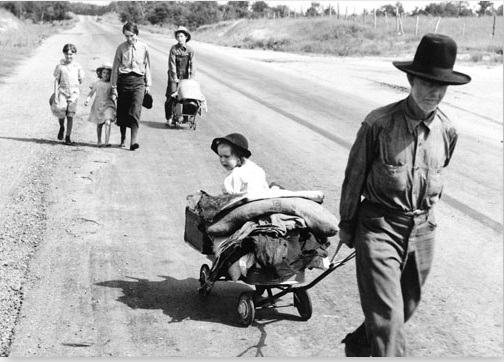

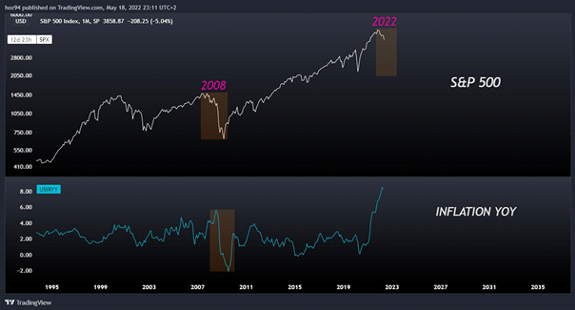


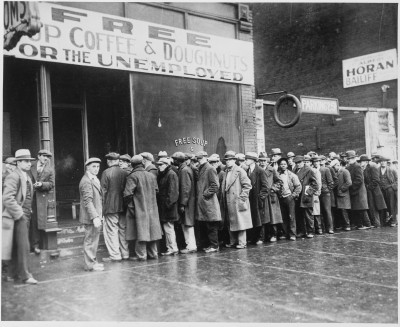


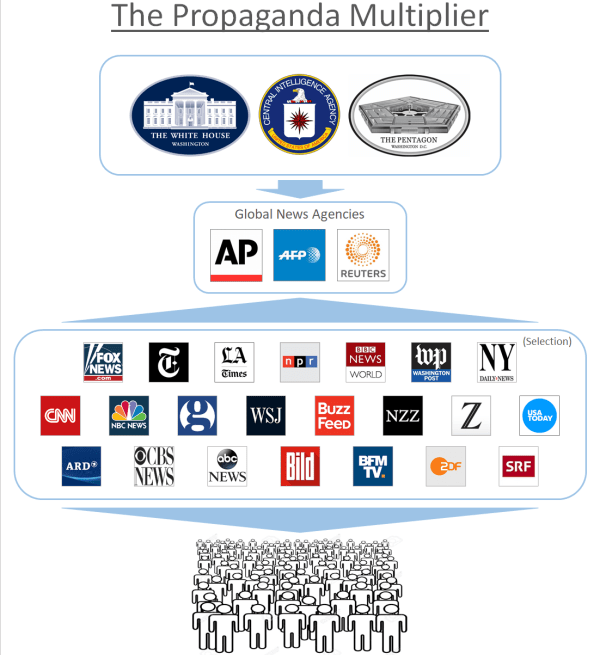




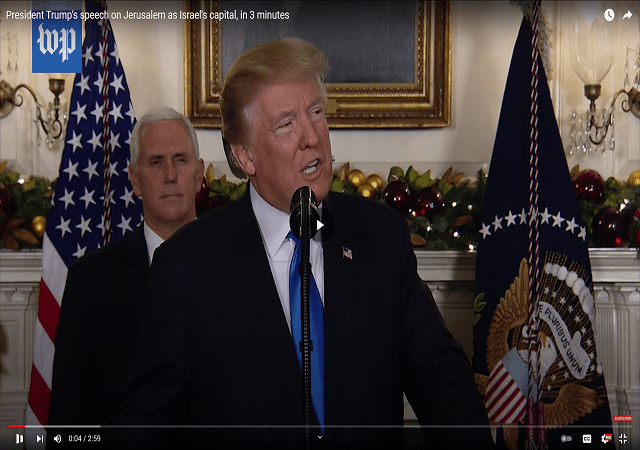


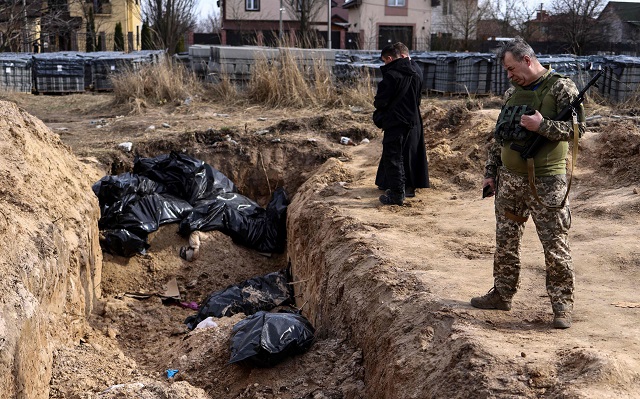

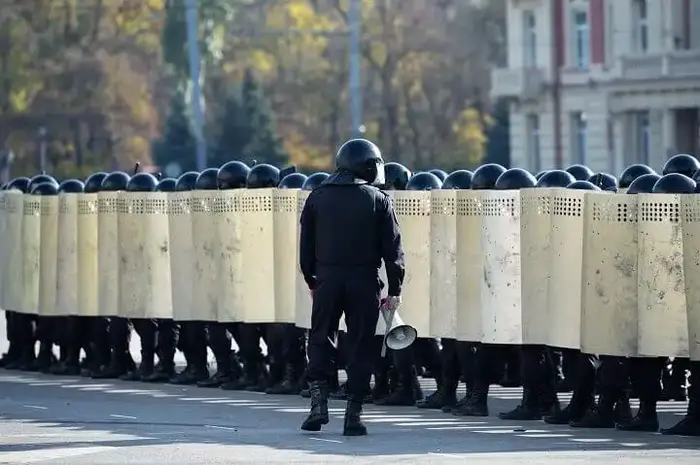

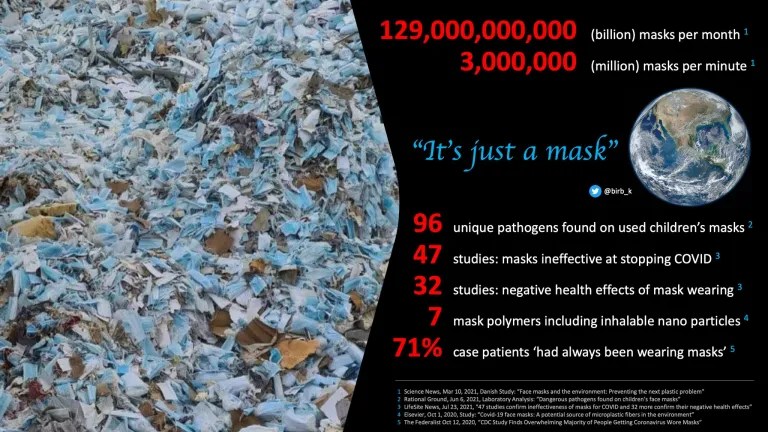


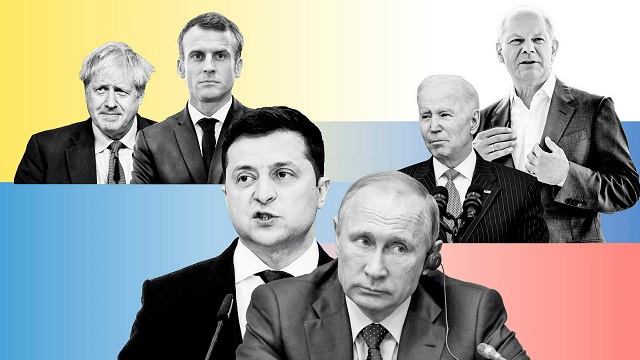
 Ultimate-Survival